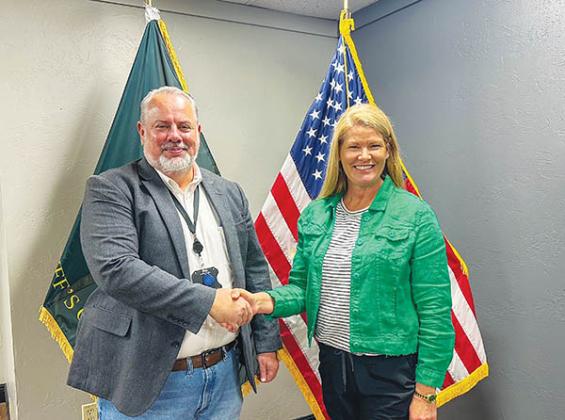
A new pilot program in Pennsylvania is utilizing social media platforms to identify potential kidney donors for transplant patients. The initiative aims to bridge the gap in donor availability, responding to a growing need for organ transplants in the state.
The program leverages the widespread reach of social media to connect individuals willing to donate their kidneys with those in urgent need. By harnessing online networks, the initiative hopes to raise awareness and encourage more people to consider living organ donation as a viable option. This innovative approach could significantly enhance the pool of potential donors and reduce waiting times for those requiring transplants.
Addressing the Organ Shortage
According to the United Network for Organ Sharing, over 100,000 people in the United States are currently on the waiting list for kidney transplants. With approximately 3,000 of those individuals residing in Pennsylvania, the urgency for more donors has never been greater. The pilot program is seen as a proactive measure to address this critical health issue.
Claudia Dimuro, host of the daily podcast “Today in Pa.,” emphasizes the significance of this initiative during recent episodes, highlighting the intersection of technology and healthcare. The podcast aims to keep Pennsylvanians informed about important stories affecting their communities, including developments in public health and infrastructure projects.
Community Engagement and Feedback
In addition to the kidney donor program, the Pennsylvania Department of Transportation (PennDOT) is also seeking public input on an upcoming infrastructure project. The department’s outreach efforts aim to gather community feedback to ensure that the projects align with residents’ needs and concerns.
The pilot program’s integration with social media not only promotes donor awareness but also encourages community dialogue about health and infrastructure. As the program progresses, officials hope to gather data that could inform future health initiatives across the state.
Listeners of “Today in Pa.” can access the latest episodes on various platforms, including Audiobooks, Apple Podcasts, and Spotify. The podcast aims to engage audiences with informative content related to Pennsylvania’s current events.
As Pennsylvania explores new methods to tackle the organ shortage, the success of this pilot program could serve as a model for other states looking to enhance their organ donation efforts. With the potential to save lives, the initiative underscores the importance of community involvement in public health initiatives.