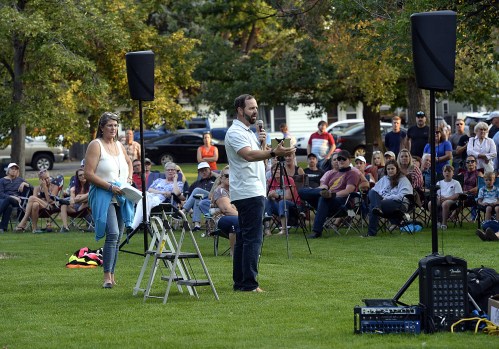
Alabama Representative Phillip Ensler has officially announced his candidacy for governor, aiming to challenge incumbent Kay Ivey for the state’s second-highest office. As one of the youngest elected officials in Alabama, Ensler has gained attention for his fresh perspectives and innovative proposals during his time in the state legislature. His campaign is also supported by former U.S. Senator Doug Jones, another Democrat seeking to unseat Ivey.
Ensler’s agenda emphasizes pragmatic solutions to pressing issues, steering clear of divisive topics such as diversity, equity, and inclusion (DEI), book bans, and renaming geographical landmarks. Instead, he aims to focus on practical matters like real estate challenges and the potential introduction of a state lottery as a means to boost Alabama’s economy.
Lottery and Sports Betting: Key Components of His Campaign
A significant aspect of Ensler’s platform revolves around the introduction of a lottery in Alabama, which is one of the few states without one. He argues that establishing a lottery could generate substantial revenue for education and healthcare, potentially addressing fiscal shortfalls in the state’s budget. In an interview with Alabama Political Reporter, Ensler stated, “I hear from people all over the state. Democrat, Republican, white, black, poor, more affluent, who say it’s crazy that we don’t have a state lottery. People cross over state lines to buy lotto tickets, and we’re missing out on hundreds of millions of dollars that could be used for education or healthcare.”
Ensler’s vision includes not only the lottery but also the legalization of sports betting, which has gained traction among various lawmakers. Although he has not committed to a rapid implementation of sports betting, the discussion is becoming increasingly relevant in Alabama’s political landscape. Any move toward expanded gambling would likely require a statewide referendum, as changes would necessitate amendments to the state constitution.
Political Landscape and Future Implications
The push for a state lottery and sports betting reflects a broader conversation about gambling legislation in Alabama. Ensler’s stance is not isolated; even political figures outside the state, such as Donald Trump Jr., have voiced support for legalizing sports gambling. As the political climate evolves, these discussions may shape the future direction of Alabama’s economy and its approach to gambling.
Ensler’s campaign is positioned as a response to the current political dynamics and seeks to provide a new direction for Alabama. By advocating for the lottery and addressing economic issues, he aims to resonate with voters who are eager for change. As the election cycle progresses, the impact of these proposals will be closely monitored, particularly regarding their potential to enhance funding for essential public services.