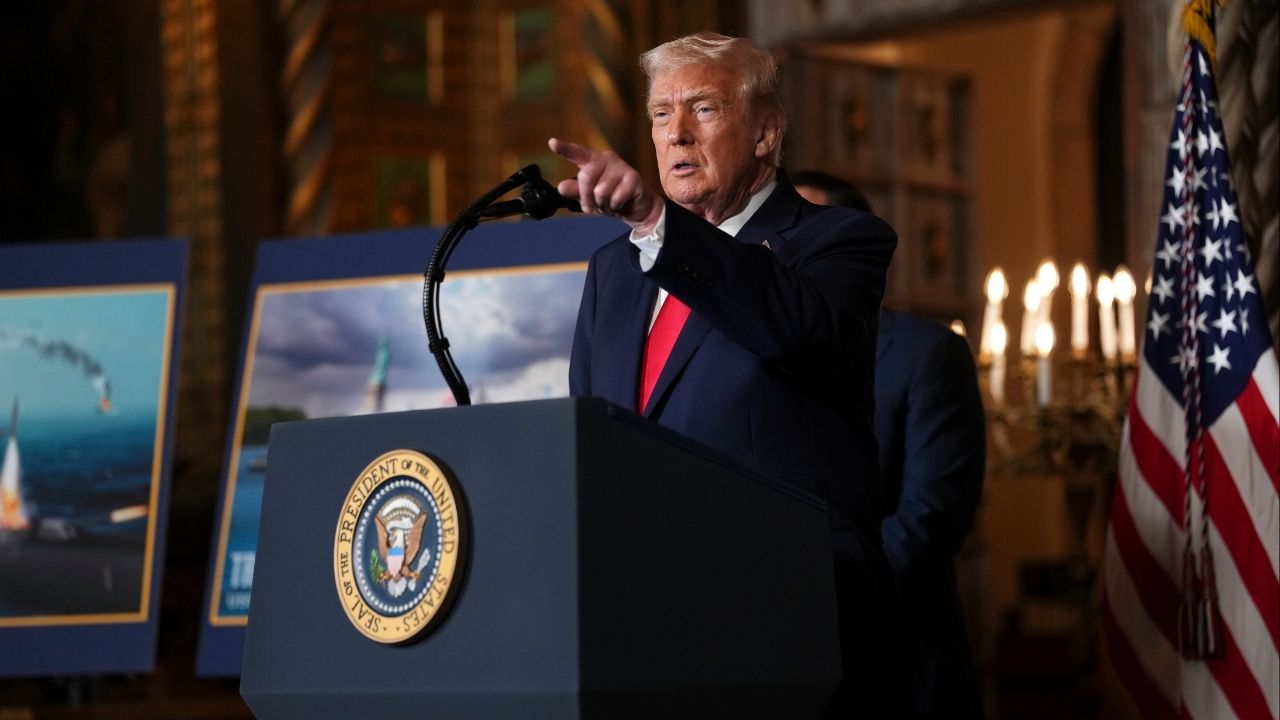
As global leaders gather at the World Economic Forum in Davos, Switzerland, China is strategically presenting itself as a stable force in international trade. In the backdrop of President Donald Trump’s recent threats to acquire Greenland and impose new tariffs on European imports, China’s approach highlights its ambition to fill the perceived void in global leadership.
During the annual summit, which runs from January 16 to January 20, 2024, Chinese officials have been actively engaging with Western leaders, emphasizing their commitment to free trade. This shift comes at a time when many countries are reevaluating their economic relationships amid rising protectionism and geopolitical tensions.
Chinese President Xi Jinping, addressing attendees, reinforced the importance of cooperation over conflict. He stated, “In today’s world, the future of all countries is intertwined,” underscoring the necessity for collective action to tackle global challenges. Xi’s remarks are seen as an attempt to counterbalance the isolationist tendencies from the United States and some European nations.
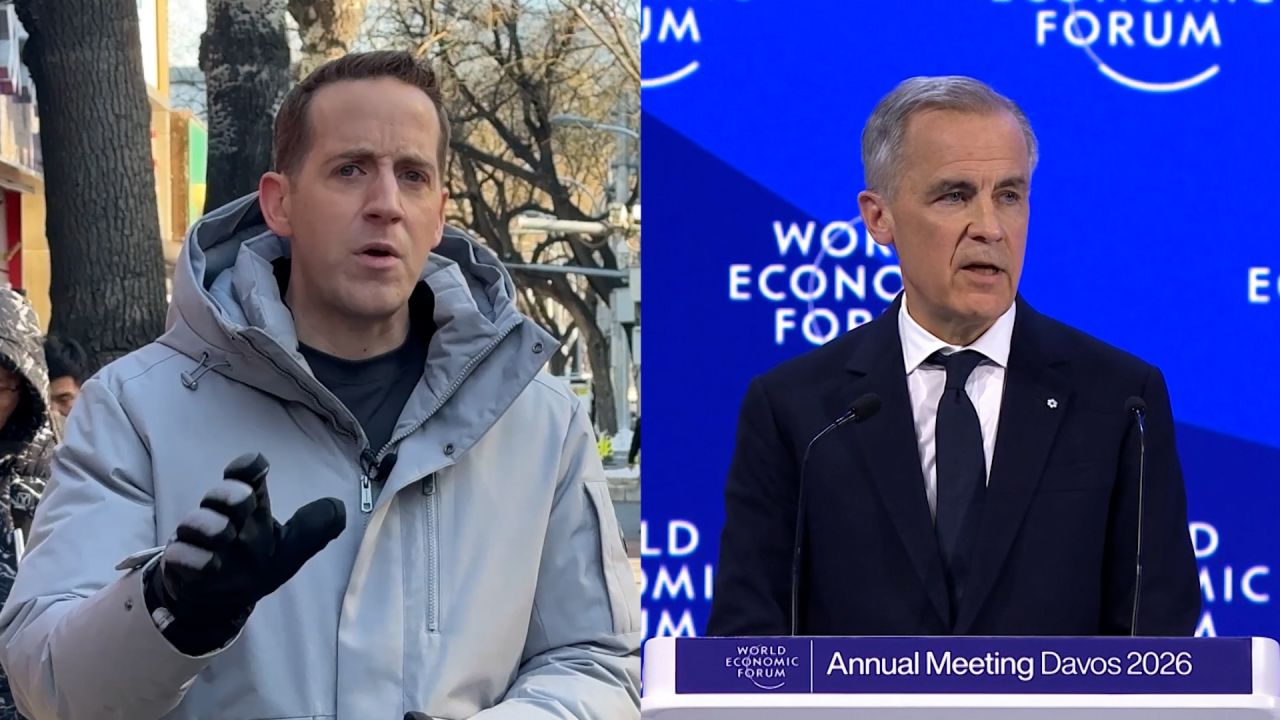
Mike Valerio from CNN, reporting from Beijing, notes that China’s outreach has resonated with several Western leaders who are increasingly wary of Trump’s approach. European Union representatives are particularly interested in China’s proposals, viewing them as a potential pathway to stabilize trade relations and enhance economic cooperation.
The significance of this conference is amplified by the backdrop of escalating trade tensions. According to the World Trade Organization, global trade growth is projected to slow to 2.7% in 2024, down from 3.4% in 2023. This slowdown is attributed to ongoing tariff disputes and the economic repercussions of the pandemic. As a result, many nations are exploring alternatives to ensure economic stability and resilience.
China’s proactive stance at Davos not only positions it as a viable alternative to U.S. trade policies but also reflects its broader strategy to enhance its influence on the world stage. By showcasing its willingness to lead in economic matters, China is hoping to attract foreign investment and strengthen its partnerships with both developing and developed nations.
As discussions unfold at Davos, the focus will likely remain on how emerging powers like China can contribute to a balanced global economy. The outcomes of this summit could have significant implications for international trade dynamics as the world grapples with the challenges posed by unilateral actions from major economies.
In summary, China’s portrayal as a stabilizing force at Davos stands in stark contrast to the current U.S. administration’s approach to trade. With leaders from around the globe taking note, the potential shift in economic alliances may redefine global trade relationships in the coming years.