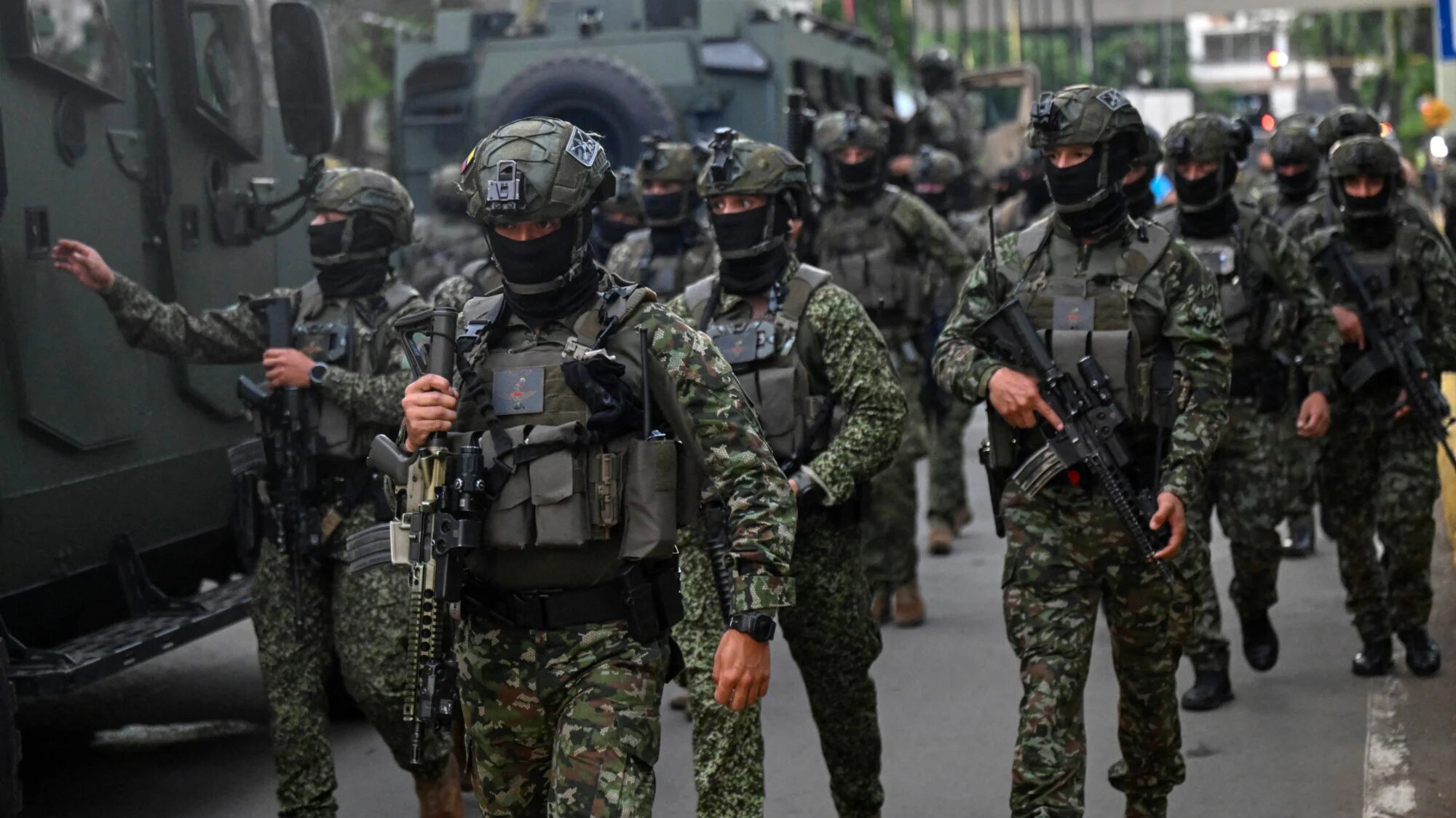
The phenomenon of Colombian mercenaries operating in conflict zones around the world has gained new attention, as detailed in a recent analysis by Henry Suckow Ziemer for the World of Crime Newsletter. Thousands of former Colombian soldiers are now engaged in military operations across diverse regions, including Ukraine, North Africa, and Mexico. Some are affiliated with state militaries, while others work for private security firms. A smaller faction has reportedly aligned with criminal organizations like the Jalisco New Generation Cartel.
Understanding the Mercenary Pipeline
This trend emerges from a complex interplay of supply and demand within Colombia’s military structure. Each year, the country discharges approximately 10,000 service members, many of whom are in their early forties, facing limited pension benefits and few civilian career opportunities. Historical events, such as Plan Colombia and recruitment initiatives by private military companies like Blackwater, have set a precedent for overseas contracting. More recent strategies linked to the United Arab Emirates have further solidified this market, embedding Colombian operatives in military campaigns in places such as Yemen and Sudan. Consequently, a robust recruitment network has developed, sustained by personal connections and shared experiences among veterans.
The skills acquired by these mercenaries have expanded significantly, especially in light of the ongoing conflict in Ukraine. Colombian veterans are now proficient in high-intensity combat scenarios, including drone operations and trench warfare, which have become essential in modern military engagements. These capabilities are not confined to international battlefields; they have begun to influence criminal tactics in regions like Latin America.
The Impact on the Americas
The ongoing war in Ukraine has not only diversified the skill sets of Colombian mercenaries but has also created new avenues for recruitment among criminal organizations. Mexican cartels, eager to implement tactical innovations, have increasingly turned to veterans who have gained experience in Ukraine. This trend is leading to the rapid spread of armed drone tactics throughout the Americas, which could enhance the operational capabilities of various criminal factions.
The implications of this development may point towards a new era of contractor-driven security in the Americas. As both governments and private corporations increasingly rely on contracted military forces to mitigate risks, a less regulated marketplace for violence is likely to emerge. Within this landscape, Colombian veterans will play a pivotal role, bridging the gap between state and non-state actors in the realm of security and conflict.
The rise of Colombian mercenaries as a global export reflects not only a shift in military labor dynamics but also raises questions about the future of armed conflict and security management. As these trends continue to evolve, the interconnectedness of military and criminal enterprises may redefine the nature of violence in regions across the globe.