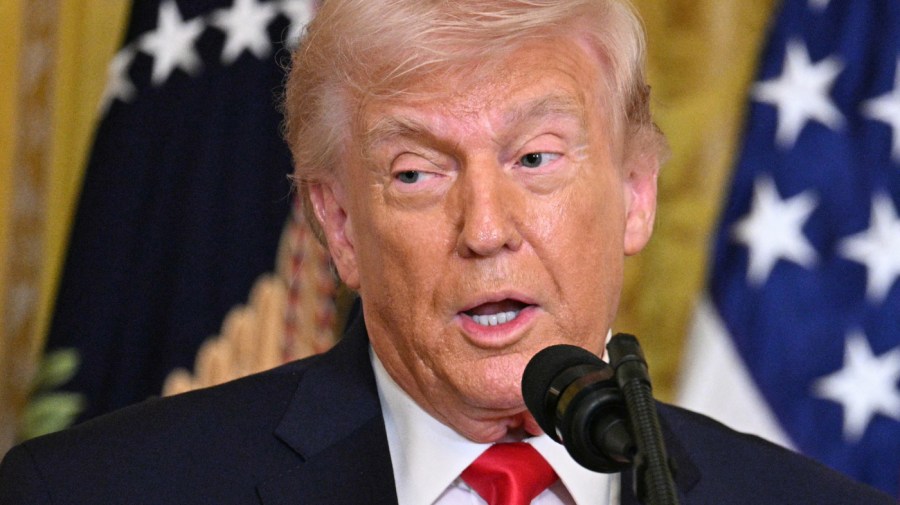
Worries are mounting regarding the integrity of the upcoming 2026 and 2028 elections in the United States. Observers are increasingly concerned about former President Donald Trump and his potential efforts to interfere with or undermine the electoral process. Recent statements and actions from Trump suggest a strategy that could impact voter turnout and election outcomes.
The significance of these elections cannot be understated. The 2026 elections will determine control of the U.S. Congress, while the 2028 elections will set the stage for the next presidential election. As the political landscape becomes more polarized, the implications of any perceived interference are profound.
Trump’s Influence and Election Security
In recent months, Trump has made headlines with claims of election fraud from previous cycles, particularly targeting the 2020 presidential election. This rhetoric has raised alarms about the possibility of similar tactics being employed in future elections. The former president’s influence remains strong within the Republican Party, and his supporters may rally behind any initiatives aimed at questioning the legitimacy of electoral processes.
The Federal Election Commission (FEC) and the Election Assistance Commission have both emphasized the importance of maintaining election integrity. They have warned against any attempts to disrupt the electoral system, which is designed to ensure fair and transparent voting. Additionally, the National Democratic Party has voiced concerns regarding the potential for voter suppression and manipulation.
Experts in electoral law and political science have noted that safeguarding elections requires vigilance from both governmental and non-governmental entities. The collaboration between state officials and election security experts is crucial in developing systems that can withstand external pressures and misinformation campaigns.
Public Sentiment and Future Implications
Public opinion is increasingly divided on these issues. Many voters express concern about the security of their votes, while others may be swayed by Trump’s claims of fraud. The potential for disinformation to spread through social media channels adds another layer of complexity to the electoral landscape.
As the 2026 elections approach, various advocacy groups are mobilizing to ensure that voters are informed and engaged. They emphasize the importance of understanding the electoral process as a means of countering misinformation. Initiatives aimed at educating voters about their rights and the voting process are essential in combating any attempts to undermine public confidence in elections.
In conclusion, the upcoming elections present significant challenges for both voters and election officials. With Trump’s continued influence and the potential for electoral interference, it is imperative for all stakeholders to remain vigilant. The integrity of the democratic process relies on the active participation and awareness of the electorate, ensuring that every voice is heard and counted.