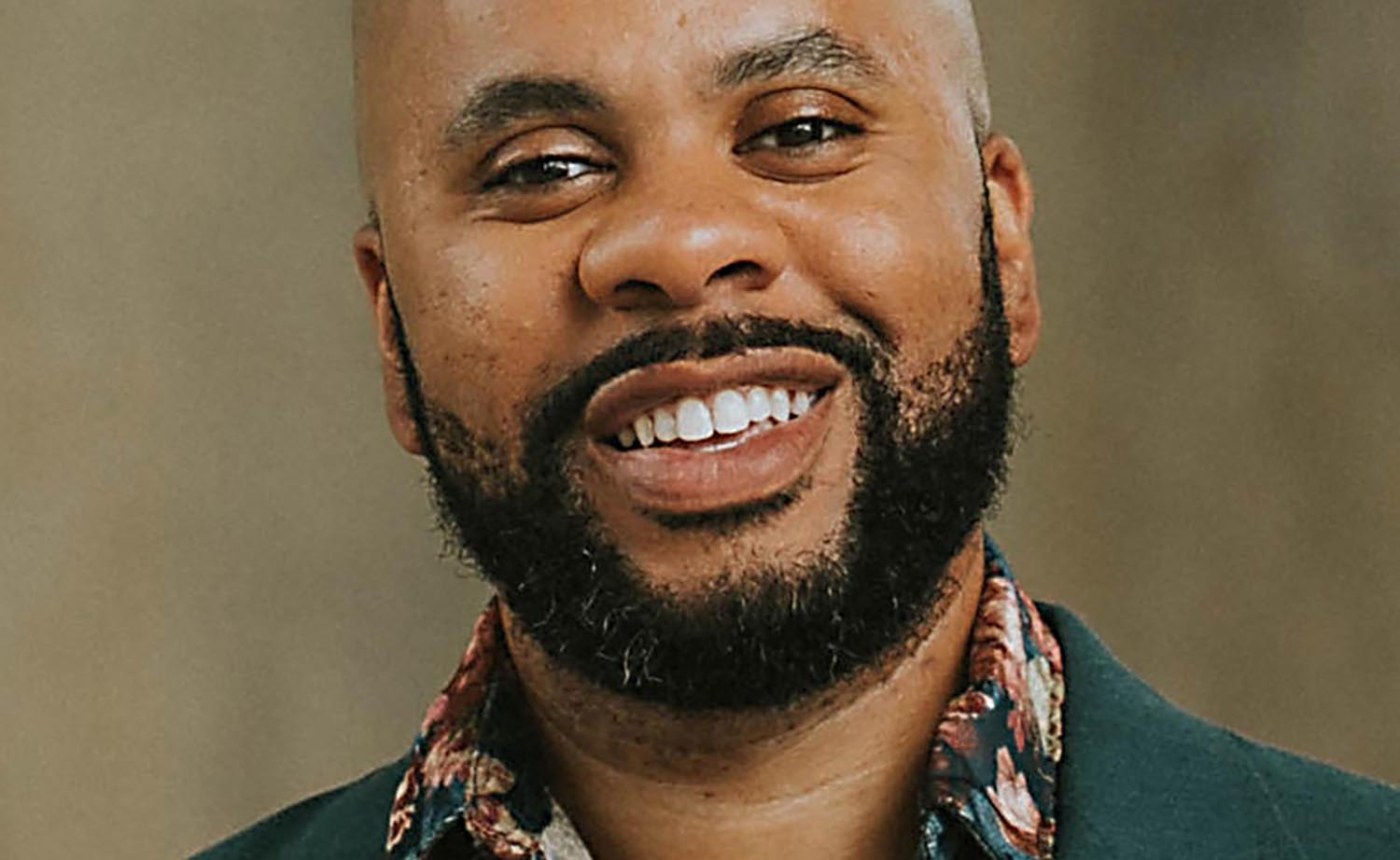
Allegations of fraud surrounding a Somali daycare have ignited a heated debate, drawing significant attention from various media outlets and commentators. The controversy began when allegations surfaced regarding the daycare’s operations, claiming it was involved in fraudulent activities while receiving taxpayer funding. Recently, left-leaning YouTuber Adam Mockler defended the daycare in response to a CBS News report, which featured footage of four children present at the facility.
Critics argue that the report fails to address key issues. The daycare, designed to accommodate approximately 40 children, had only four kids in attendance, even after the fraud allegations were made public. Such a low attendance rate raises questions about the legitimacy of the daycare’s operations and its use of public funds. Mockler’s assertion that CBS’s footage serves as evidence of innocence has drawn skepticism from those who believe it highlights deeper issues within the facility.
The CBS News report aired footage purportedly showing children at the daycare on the same day that fraud investigator Nick Shirley visited. While Mockler suggested this was a crucial rebuttal to Shirley’s claims, many critics contend that it only exacerbates the existing concerns. The skepticism surrounding the daycare’s operations has led to broader discussions about potential misuse of public funds in similar facilities across the country.
Public Funds and Accountability
The ongoing situation has sparked a significant backlash regarding how taxpayer money is allocated to daycare facilities. Critics emphasize that the daycare, which reportedly receives millions in funding, should be held accountable for its operations and the services provided. “They are getting paid millions to watch their own children,” one critic stated, highlighting the implications of public funding that may not be serving its intended purpose.
The daycare’s alleged fraud is not merely a left-versus-right issue, but rather a question of ethics and accountability in public spending. Many Americans rely on social services, and concerns have arisen that fraudulent activities could divert necessary resources away from those in need. The implications of these allegations extend beyond the daycare in question, as they raise broader concerns about the integrity of similar institutions across the nation.
In the midst of this controversy, the political implications are also significant. Some commentators have suggested that the media’s reluctance to investigate the allegations thoroughly may stem from a desire to protect political figures, including Minnesota Governor Tim Walz. This perspective suggests that the legacy media may prioritize maintaining a favorable image for certain officials over pursuing the truth of the allegations.
The Role of Media in Investigative Reporting
The debate surrounding the daycare has also highlighted the relationship between media outlets and accountability in public services. Critics, including legal commentator Harmeet K. Dhillon, argue that the media should take a more proactive stance in investigating claims of fraud, rather than reacting only when prompted by independent investigators.
Some observers note that CBS had access to the same data that Shirley presented but chose not to act on it until public pressure mounted. This raises questions about the role of major news organizations in holding institutions accountable and the potential consequences of their editorial choices.
As the controversy unfolds, the implications of these allegations will likely continue to resonate within the community and beyond. The focus on the Somali daycare serves as a case study in the challenges of ensuring transparency and accountability in publicly funded services. The outcome of this investigation could have lasting effects on how similar institutions are scrutinized in the future.
The situation remains fluid, with ongoing discussions about the integrity of daycare operations and the responsibility of media outlets to pursue the truth. As more information becomes available, the public will be watching closely to see how this issue develops and what it may mean for the future of public funding for daycare services.