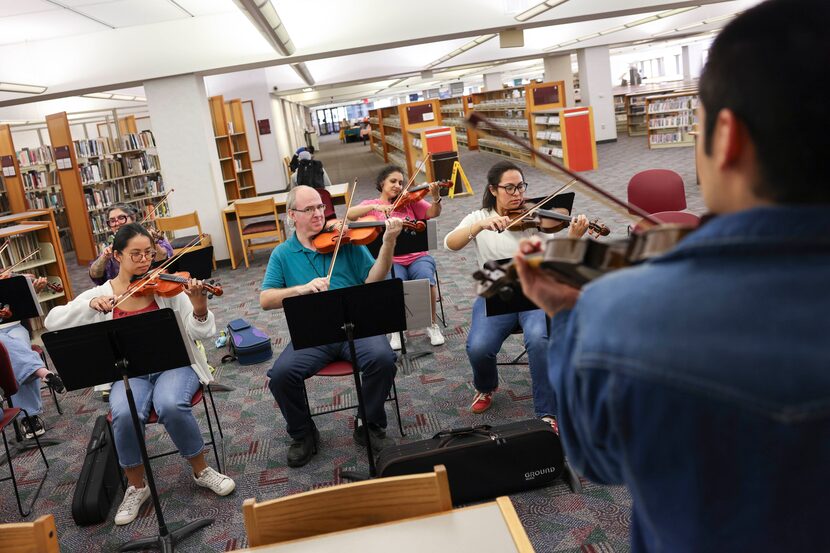
Concerns about the future of the J. Erik Jonsson Central Library in Dallas have intensified following a recent opinion piece by Robert Wilonsky. The article, published on November 12, 2023, examines the library’s potential reimagining and the challenges it faces, including maintenance issues and public perception.
Library director Manya Shorr has been brought on board to address these concerns, particularly in light of public sentiment regarding the library’s role as a vital community resource. Critics, such as Scott Grant Barker from Saginaw, argue that city officials are following a playbook previously used in Fort Worth, which emphasizes the library’s perceived obsolescence. Barker suggests that officials are framing the library as outdated and underutilized, raising concerns about the long-term impact of diminishing public institutions on community memory and identity.
Homelessness in downtown Dallas is also a significant issue, as highlighted by Ted Stone from Dallas. He notes that the presence of homeless individuals has led to heightened fears among residents and workers in the area. Stone recalls the contentious debate surrounding the establishment of a homeless shelter in downtown Dallas in 2005, arguing that a more effective solution would involve relocating homeless services outside of the downtown area. He proposes developing new facilities in less central locations, such as near the Stemmons Corridor, to better serve the homeless population while revitalizing downtown.
In another letter addressing economic policies, David McDonald from Heath expresses support for former President Donald Trump‘s stance on tariffs. He argues that tariffs on imported goods lead to unnecessary costs for consumers, using a humorous anecdote from the sitcom WKRP in Cincinnati to illustrate his point.
The discussion around clean energy also received attention in letters to the editor. Hiba Malik from Temple commends Richard Howe for his insights on the transition to clean energy. She emphasizes that this shift is not only an economic necessity but also a moral imperative, advocating for a dual focus on both practical and ethical considerations in energy policy.
In a lighter vein, Frances Baldwin from McKinney shares her thoughts on the declining relevance of the penny in today’s economy. While acknowledging the high production cost, Baldwin draws a comparison between the penny’s role in cash transactions and the environmental impact of producing bitcoin, highlighting broader discussions about monetary value and sustainability.
Lastly, Meryl K. Evans from Plano reflects on the importance of visibility for high school marching bands, expressing disappointment that performances are not more frequently televised. She reminisces about her experiences attending competitions and advocates for greater public exposure for these talented performers.
Overall, the letters reflect a diverse range of opinions on critical issues facing Dallas, from community resources and homelessness to economic policies and cultural expressions. The conversations highlight the interconnectedness of these topics and the ongoing discourse about the future of Dallas and its residents.