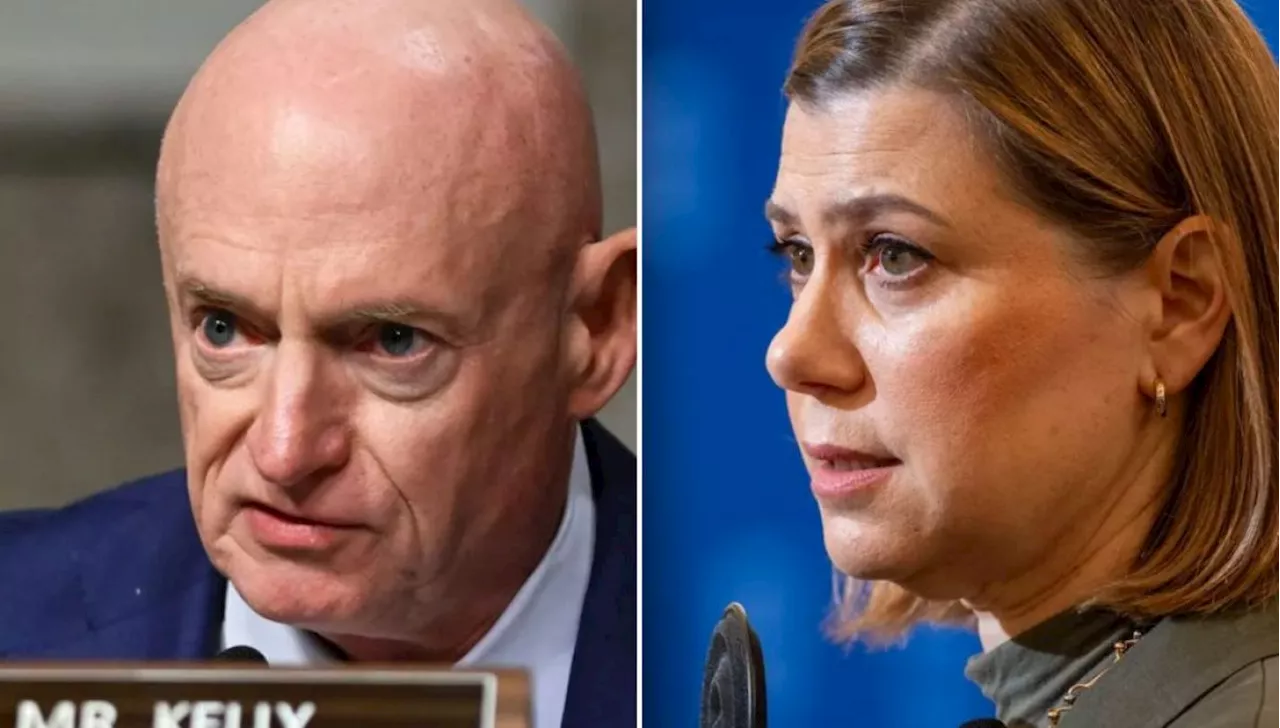
Senators and Representatives from the Democratic Party are facing criticism following their public calls for military personnel to defy orders from President Donald Trump. Among those involved are Senators Mark Kelly and Elissa Slotkin, as well as Representatives Jason Crow, Maggie Goodlander, Chris Deluzio, and Chrissy Houlahan. They assert that their actions were a constitutional obligation, yet have not specified the orders they deemed illegal.
This situation has drawn attention to what some critics term “Democratic privilege,” a notion suggesting that elected officials on the left engage in dramatic political theatrics while evading accountability. Critics argue that such actions serve to manipulate public sentiment and create political discord. The current episode is part of a broader pattern observed over the decades, where political figures leverage media narratives to present themselves as victims amidst accusations of misconduct.
On June 11, 2025, Representative Padilla generated controversy by disrupting a press conference held by Homeland Security Secretary Kristi Noem. His actions were portrayed by Democrats as a demonstration of victimhood against the Trump administration. However, Noem described the incident as Padilla interrupting her speech and being removed for failing to identify himself.
These incidents suggest a trend where some Democratic officials may prioritize performative politics over substantive dialogue. The Pentagon has initiated investigations into Mark Kelly specifically regarding allegations of misconduct related to a video urging military members to refuse “illegal orders.” The Department of Defense has stated that the review aims to assess the appropriateness of Kelly’s statements and determine any necessary actions, which could include court-martial proceedings.
Critics of the Democratic Party argue that these actions are indicative of a broader strategy aimed at undermining political opponents while positioning themselves as defenders of constitutional rights. They cite historical parallels, suggesting that the tactics employed today echo those of past political movements that sought to create chaos for personal or party gain.
The ongoing discussion raises important questions about the responsibilities of elected officials and the implications of their public statements. As investigations proceed, the ramifications for those involved may have lasting effects on their political careers and the public’s trust in government institutions.
The situation continues to develop, and further details are expected as the Pentagon’s review unfolds.