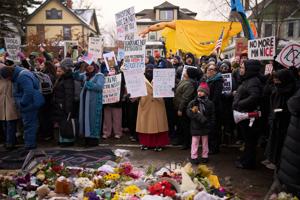
Federal immigration agents executed a large-scale enforcement operation in Minneapolis on Sunday, just days after the fatal shooting of Renee Good. Agents forcefully entered a home in the city, part of what the Department of Homeland Security has described as its largest enforcement action to date. During the operation, agents arrested a man inside the residence while confronting protesters outside.
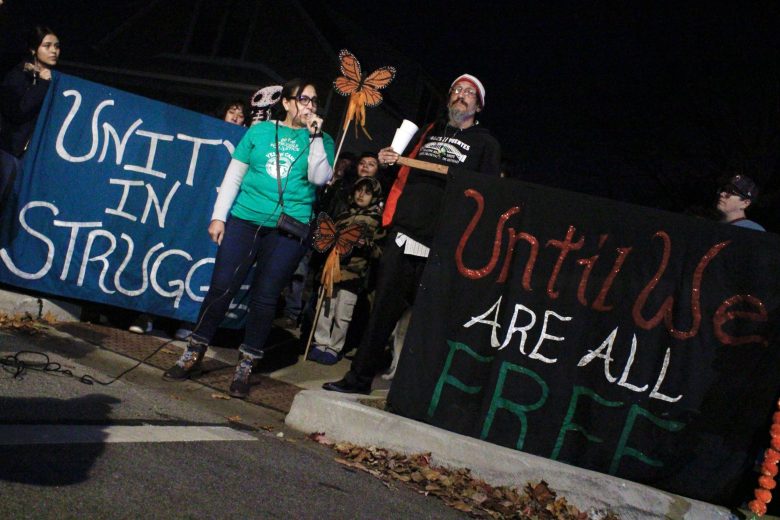
Witnesses reported a chaotic scene, with agents pepper spraying demonstrators who were trying to disrupt the arrests. Protesters expressed their dissent by honking car horns, banging drums, and blowing whistles. Video footage captured the moment when a distraught woman exited the house, holding an immigration officer’s document that authorized the arrest, though experts stress that such a document lacks the legal power of a warrant signed by a judge.
Escalating Tensions in the Community
The enforcement operation has heightened tensions in a community already on edge following Good’s shooting by an immigration officer. Tricia McLaughlin, a spokesperson for Homeland Security, revealed that over 2,000 immigration arrests have occurred in Minnesota since the operation began in early December.
Jason Chavez, a Minneapolis city councilmember, noted the pervasive presence of federal agents in the area, stating, “We’re seeing a lot of immigration enforcement across Minneapolis and across the state.” He emphasized the need for vigilance among residents, particularly in neighborhoods with significant immigrant populations.
In response to concerns about safety, Minneapolis public schools announced they would shift to remote learning for a month, acknowledging that many children might feel unsafe due to the ongoing tensions. Schools had already closed last week following the unrest surrounding Good’s death.
Calls for Independent Investigation
Amid the ongoing enforcement activities, two prominent Minnesota Democrats, Mayor Jacob Frey and U.S. Senator Tina Smith, have called for state authorities to join the investigation into Good’s shooting. Both officials expressed skepticism regarding the federal government’s ability to conduct an impartial inquiry, given that it has already publicly stated its view of the incident.
“How can we trust the federal government to do an objective, unbiased investigation…when at the beginning of that investigation they have already announced exactly what they saw?” said Smith during an interview on ABC’s “This Week.”
Defending the actions of the officer involved, Todd Lyons, acting director of ICE, argued that the officer acted in self-defense, stating that Good had “weaponized” her vehicle. He emphasized that the current enforcement operations would be unnecessary if local jurisdictions cooperated with federal authorities to detain individuals deemed public safety threats.
The shooting of Good, along with other incidents involving federal agents, has sparked nationwide protests, with thousands demonstrating in Minneapolis alone. This surge in activism reflects a growing concern among communities affected by aggressive immigration enforcement practices.
As the situation continues to unfold, community organizations, such as Unidos MN, have mobilized residents to monitor federal activities. Over 20,000 individuals have participated in training sessions to become observers of immigration enforcement, highlighting the community’s determination to protect its members.
With the federal operation ongoing and tensions in the community remaining high, Minneapolis faces a critical juncture regarding immigration enforcement and its implications for public safety and civil rights.