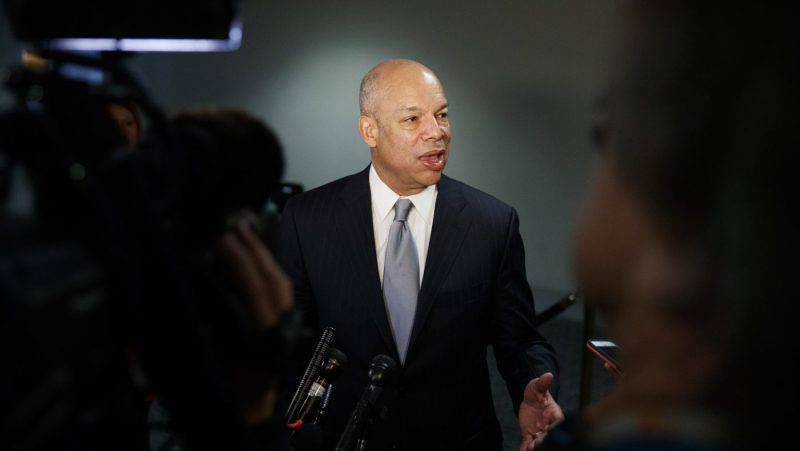
Former U.S. Department of Homeland Security (DHS) Secretary raised alarms regarding the current recruitment practices for U.S. Immigration and Customs Enforcement (ICE). The former official expressed concern over a recruitment slogan that encourages individuals to “Defend your culture,” suggesting it may carry underlying implications connected to the controversial Great Replacement theory.
Speaking at a recent event, the former DHS Secretary, whose identity has been withheld, stated that such rhetoric serves as a “dog whistle” for more insidious agendas. The Great Replacement theory posits that there is a deliberate plot to replace the native population with immigrants, a claim that has been widely criticized for its association with extremist ideologies.
The recruitment strategy employed by ICE has drawn scrutiny from various factions, highlighting the potential cultural and societal implications of such messaging. Critics argue that this type of language can alienate communities and perpetuate division, especially at a time when immigration remains a contentious issue in the United States.
The former official’s remarks come amid a broader conversation about how government agencies communicate their objectives and values. The implications of framing recruitment around cultural defense raise questions about who is being targeted and the motivations behind their recruitment efforts.
While the ICE recruitment campaign aims to attract individuals committed to enforcing immigration laws, the language used may inadvertently signal a shift toward more aggressive and divisive tactics. This concern reflects ongoing debates about the role of law enforcement in addressing immigration and the societal impact of their messaging.
As discussions around immigration policy evolve, stakeholders are calling for more transparency in recruitment practices to ensure they foster inclusivity and respect for diverse communities. The former DHS Secretary’s comments underscore the need for a careful examination of the language employed by government agencies and its broader implications on society.
In a politically charged environment, how agencies like ICE present their missions can significantly influence public perception and community relations. The former official’s insights serve as a reminder of the ongoing challenges faced in balancing enforcement with community trust and cohesion.