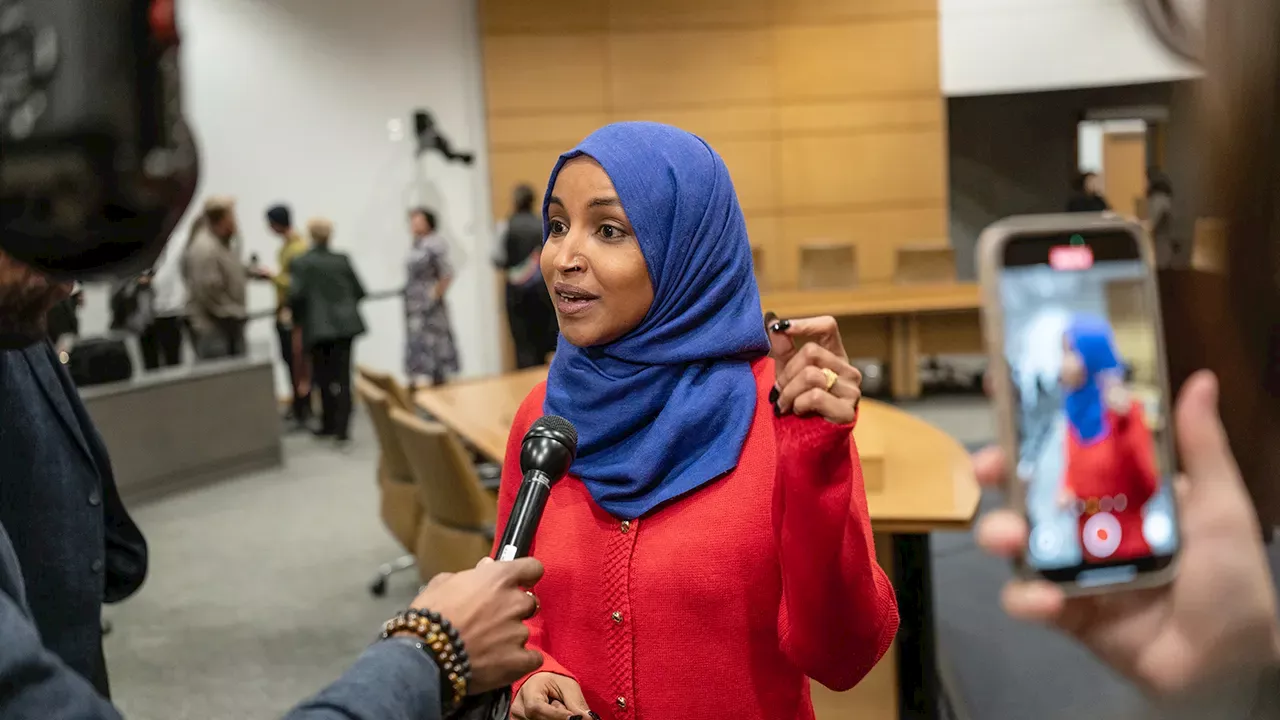
U.S. Representative Ilhan Omar has ignited significant controversy after comparing U.S. immigration enforcement practices to those in Somalia during a recent hearing in St. Paul, Minnesota. Her remarks, made at a session titled “Kidnapped and Disappeared: Trump’s Deadly Assault on Minnesota,” have provoked a swift backlash from conservative commentators and raised broader questions about immigration policy and governmental authority.
Omar, who represents a district encompassing much of Minneapolis, expressed her dismay at what she perceives as a decline in American values, particularly concerning the treatment of immigrants. Her comments come in the wake of a tragic incident involving the death of Renee Good at the hands of an ICE agent, which has exacerbated public concern regarding the actions of Immigration and Customs Enforcement (ICE).
Criticism of Omar’s statements has been fierce. Notably, Senator Mike Lee from Utah condemned her language and suggested that her comments could have severe consequences. The backlash extended even to high-profile figures such as billionaire Elon Musk, who controversially proposed severe penalties for such remarks.
The context of Omar’s statements is crucial, as they address the heightened presence of federal agents in Minnesota, where approximately 3,000 federal personnel were deployed to investigate a major fraud scandal in late 2022. Reports also indicate that another 1,500 soldiers may be sent to the region, leading to a growing sentiment of unrest.
Omar has described the situation as akin to an occupation that instills fear among local residents. She criticized the practice of detaining American citizens within ICE facilities and raised alarms about the existence of checkpoints in American cities where individuals are asked to produce identification. In her view, these practices challenge the legitimacy of citizenship and violate civil rights.
During the hearing, Omar also addressed the ‘Feeding Our Future’ scandal, highlighting that many members of the Somali community were victims of the scheme. This point further complicates the narrative surrounding immigration enforcement and the treatment of various communities within the state.
Supporters of Omar argue that she is articulating the frustrations of her constituents and addressing critical issues related to human rights and civil liberties. They contend that her comments reflect a growing concern regarding federal overreach and the implications for local communities.
The incident underscores the stark political divisions in the U.S. regarding immigration, law enforcement, and perceptions of American values. As the government faces scrutiny over its immigration policies, the strong emotions elicited by Omar’s remarks reveal the high stakes involved in these discussions.
While Omar’s critics point to her choice of words as inflammatory, her supporters maintain that she is advocating for the rights and dignity of her constituents. This debate illustrates the complexities of immigration policy and the tensions that arise from differing perspectives on governmental conduct and societal values.