Residents in over half of Illinois will continue to face a 1% grocery tax that the state ceased collecting as of January 1, 2024. This decision affects many communities, particularly in the west-central region of the state, where the tax remains in place despite statewide changes.
Local governments have opted to implement their own versions of the grocery tax, which has led to widespread confusion among residents. According to the Illinois Department of Revenue, municipalities have the authority to levy such taxes independently, meaning the grocery tax will persist in numerous areas, including Jacksonville and other towns in the region.
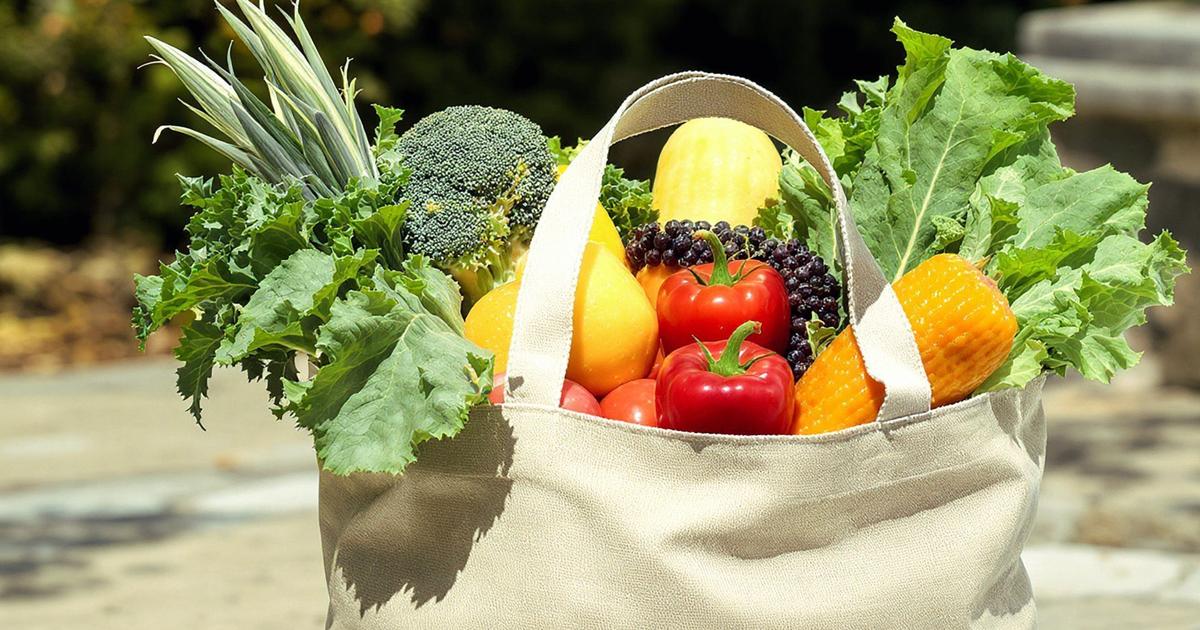
This tax situation stems from a recent legislative adjustment that aimed to streamline taxation across the state. However, the decision to allow local governments to maintain their grocery taxes has resulted in a patchwork of tax regulations. As a result, shoppers in certain areas will still encounter the 1% tax when purchasing food items, while others will benefit from the tax exemption.
Residents have expressed mixed feelings about this development. Some are frustrated by the inconsistency, feeling that it complicates their shopping experience. Others believe that local governments should have the power to decide on tax matters that directly impact their communities.
The continuation of the grocery tax is projected to generate significant revenue for those local governments that have chosen to maintain it. This funding is often directed toward essential services such as public safety and infrastructure improvements. However, it raises questions about the broader implications for household budgets, particularly for low-income families who may rely heavily on grocery shopping.
As the state navigates this complex tax landscape, officials emphasize the importance of clear communication with residents. They encourage citizens to stay informed about local tax policies to avoid any surprises at the checkout. The January 2024 changes highlight the ongoing challenges of balancing state mandates with local governance, a topic that continues to be debated by policymakers across Illinois.
In summary, while Illinois has officially stopped collecting the grocery tax, residents in many areas will still find it present at the register. The local decisions to uphold this tax reflect the diverse approaches to governance within the state and the varying economic realities faced by its citizens.