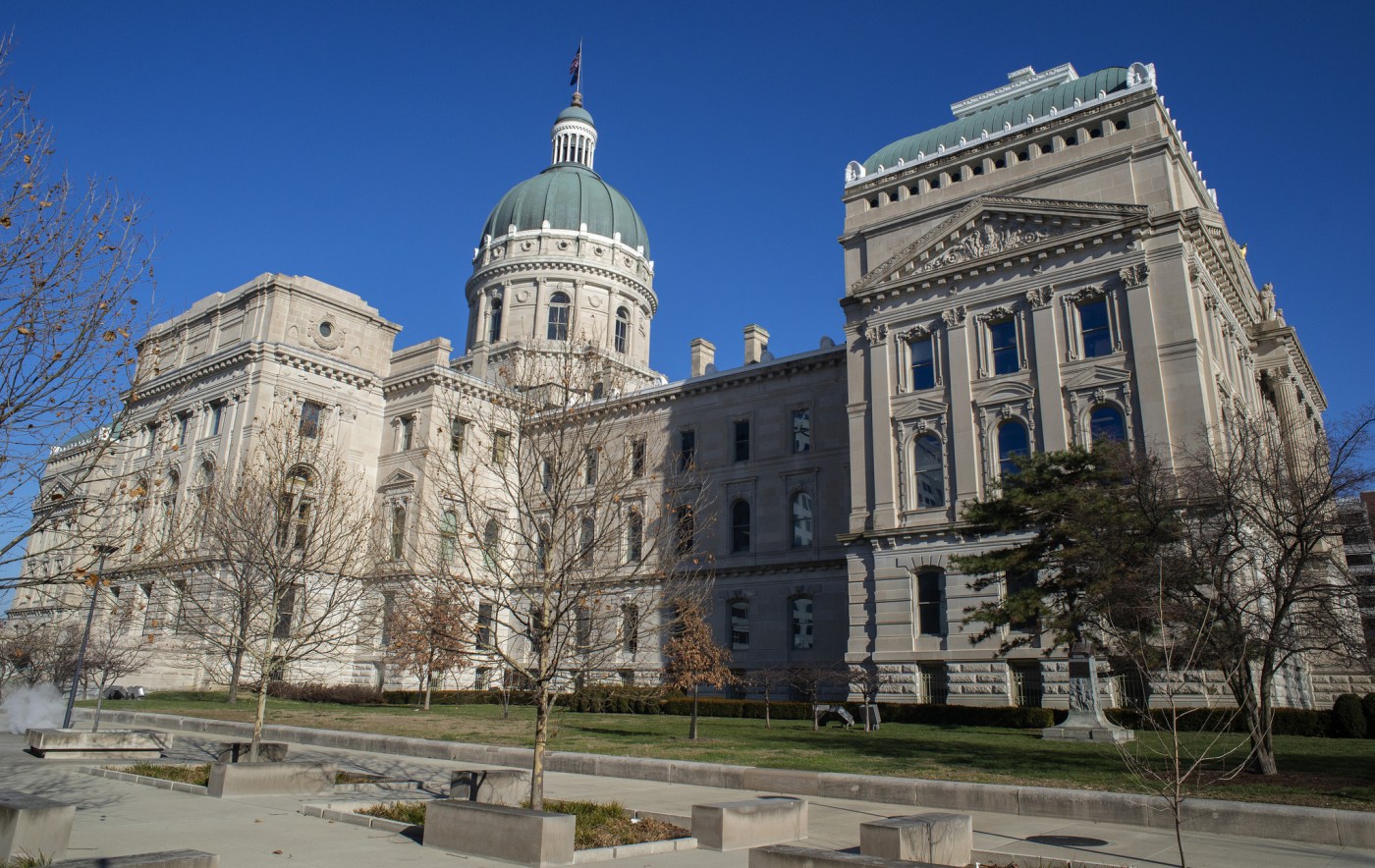
The Indiana House approved a controversial immigration enforcement bill on March 14, 2024, allowing local and state police to enforce federal immigration laws. This legislation, known as Senate Bill 76 and authored by State Senator Liz Brown, aims to enable cooperation between law enforcement and federal agents, despite concerns that it may not enhance community safety.
The bill outlines that federal, state, or local law enforcement agencies can enforce federal immigration laws. It mandates that the Department of Correction provide training to incoming sheriffs on collaborating with the U.S. Immigration and Customs Enforcement (ICE). The legislation was amended in the House Judiciary Committee by State Representative J.D. Prescott, who previously introduced the FAIRNESS Act, aimed at advancing immigration reforms.
Prescott emphasized that Senate Bill 76 is a comprehensive measure to ensure compliance with federal immigration enforcement and eliminate sanctuary policies within Indiana. The bill grants the Attorney General the authority to sue any government agency, school, or jail that fails to comply with federal immigration requests, imposing a penalty of $10,000 for each violation.
If an individual is detained under an immigration detainer request, the bill requires that the judicial system be informed, and the individual must be made aware of the detainer. Additionally, the legislation imposes restrictions on employers by prohibiting the reckless hiring of undocumented immigrants, allowing the Attorney General to take legal action against non-compliant employers.
The bill also mandates that the state legislature receive a report detailing the number of non-citizens enrolled in various assistance programs, including the Indiana Residential Care Assistance Program and Medicaid. This provision aims to clarify the impact of immigration on state resources. In a significant shift, the bill removes the mens rea standard, easing the burden of proof for governmental or educational institutions accused of breaching immigration enforcement laws.
Opposition Voices Concerns
Opposition to Senate Bill 76 has been vocal, with critics arguing it will force local law enforcement agencies to act as federal immigration officers. State Representative Earl Harris, a Democrat, stated that the bill could divert local resources away from crime response, compromising community trust in police.
“This bill does nothing to keep our communities safe,” Harris remarked, emphasizing that local police officers are not equipped for immigration enforcement. State Representative Carey Hamilton echoed these sentiments, expressing concern over the potential erosion of trust between communities and law enforcement.
Concerns regarding civil rights and the potential for racial profiling were raised by State Representative Cherrish Pryor. She criticized the bill for undermining the foundational values of a nation built on immigration, highlighting the risk of discrimination against both documented and undocumented individuals.
In contrast, State Representative Tim Wesco was one of the few voices in favor of the bill, advocating for the restoration of Congressional authority over immigration policy. “We are tired of being governed by executive order,” he stated.
Legislative Process and Future Steps
The Indiana legislature has scrutinized this immigration bill for the past 18 months. Following its passage in the House with a vote of 60-28, it heads back to the Senate for final approval after amendments were made. The chamber of commerce and various manufacturing associations were consulted regarding the implications for employers, indicating a willingness to address concerns raised by businesses affected by the legislation.
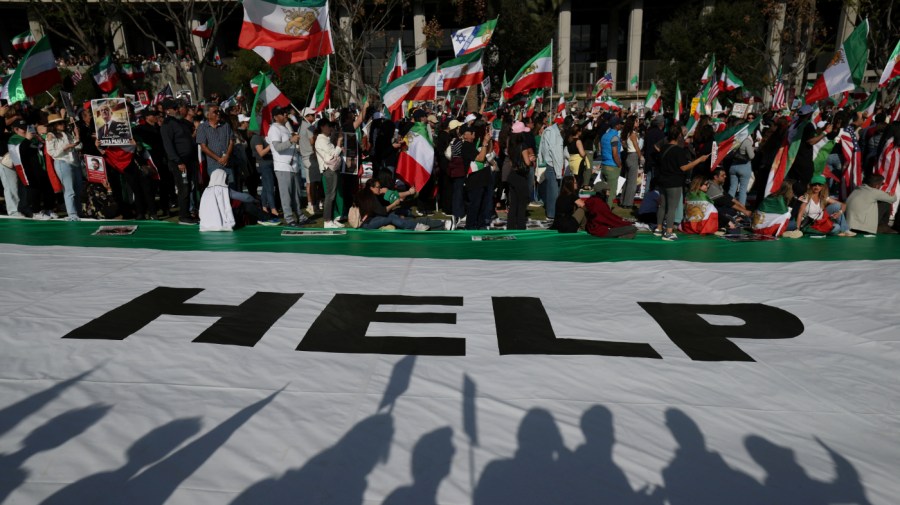
As this bill progresses, it remains under the watchful eye of both supporters and critics, with protests audible outside the legislative chambers during voting. The contentious nature of this legislation underscores the ongoing debate over immigration policy in the United States and its local implications.
As Indiana moves forward with this bill, the implications for communities, law enforcement, and immigration practices will continue to unfold, shaping the discourse around immigration enforcement in the state.