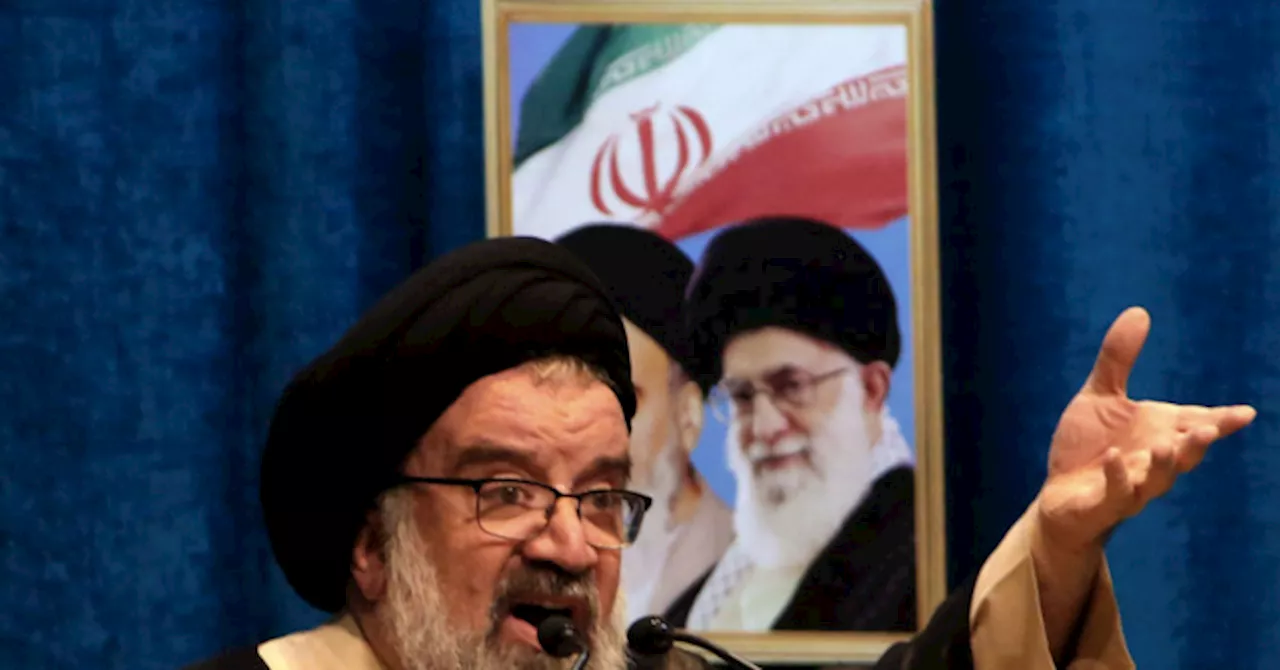
High-ranking Iranian cleric Ayatollah Ahmad Khatami publicly demanded the execution of protesters during a sermon on March 15, 2024. He attributed the ongoing demonstrations to foreign interference, specifically blaming the United States and Israel for stoking unrest in Iran. Khatami, a prominent figure within the Iranian theocracy and a close ally of Supreme Leader Ayatollah Ali Khamenei, made these statements during a service that was broadcast on state media.
In his speech, Khatami characterized the protesters as “butlers” for Israeli Prime Minister Benjamin Netanyahu and “soldiers” of President Donald Trump, portraying them as pawns in a larger plot to destabilize Iran. He expressed outrage over the significant damage caused by the protests, which he claimed affected approximately 350 mosques, 126 prayer halls, and numerous medical facilities, including 400 hospitals and 106 ambulances.
Khatami’s sermon followed a week of intense demonstrations that erupted on December 28, 2022, primarily in response to Iran’s failing economy and the collapse of its currency. The protests escalated into broader anti-government sentiments, challenging the authority of the Iranian regime. The government’s crackdown has resulted in thousands of deaths, with Khatami’s inflammatory rhetoric intensifying the already volatile situation.
Escalating Tensions and Threats
During his sermon, Khatami warned that those involved in the protests should “wait for hard revenge from the system,” implying that the government would take severe measures against the demonstrators. He delivered a direct threat to Trump and Netanyahu, stating that they “should not expect peace,” further heightening tensions between Iran and the two nations.
The Iranian state media reported that Khatami’s call for executions received vocal support from the congregation, with chants proclaiming that “armed hypocrites should be put to death.” This reflects the growing divide in Iran between the ruling clerics and an increasingly frustrated populace. The government has often labeled demonstrators as “terrorists” or foreign agents, a narrative that Khatami reinforced in his remarks.
International Reactions and Implications
The international community is closely monitoring the situation in Iran, particularly in light of Khatami’s threats and the ongoing human rights abuses associated with the crackdown on protests. The unrest has drawn condemnation from various human rights organizations, which have called for accountability and an end to violent repression.
Trump, in a recent address, acknowledged the tense atmosphere, suggesting that restraint is necessary in dealing with Iran’s leadership. He expressed gratitude that the Iranian government had not followed through on executions of detained protesters, showcasing a complex interplay between U.S. foreign policy and the Iranian regime’s internal struggles.
As Iran grapples with economic turmoil and civil unrest, Khatami’s sermon has underscored the regime’s commitment to suppress dissent through harsh measures. The long-term implications for both domestic stability and international relations remain uncertain as the Iranian government continues to navigate these challenges.