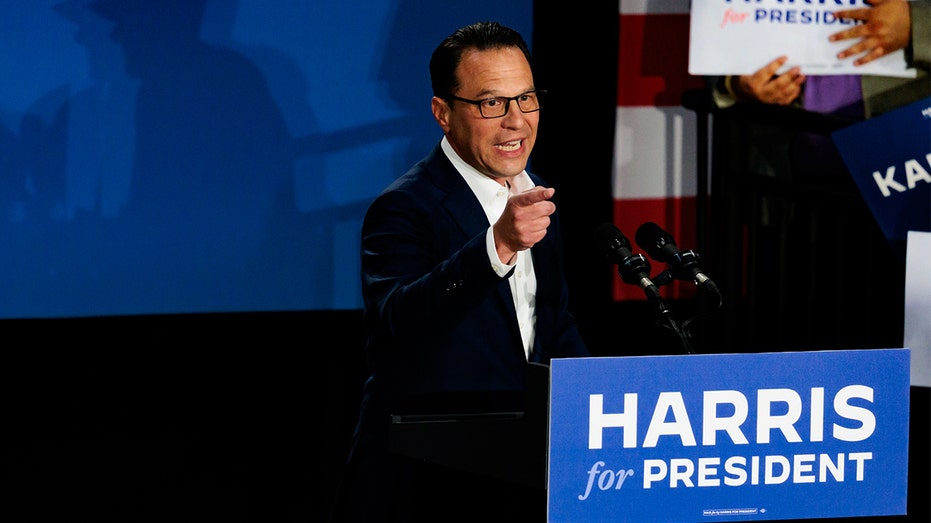
During a recent interview with CBS’ Norah O’Donnell, Pennsylvania Governor Josh Shapiro accused the vetting team of former Vice President Kamala Harris of making disrespectful comments regarding his wife. Shapiro’s remarks came as part of a discussion about his upcoming book, “Where We Keep the Light,” which is scheduled for release on March 15, 2024.
In the interview, Shapiro described his experience during the vetting process as contentious, particularly due to comments about his wife that he found inappropriate. O’Donnell pointed out a specific instance from the book where he was advised that his wife would need to purchase new clothing and pay for hair and makeup if he were to be considered for a role in Harris’ campaign. “It kind of turned you off,” O’Donnell noted, prompting Shapiro to reflect on his feelings about the vetting process.
Shapiro expressed frustration over the treatment his wife received during the vetting process, stating, “There were a number of moments in that process where I was asked things or, in the case of what you just said, I thought folks weren’t particularly respectful to my wife.” His comments highlight the personal toll that political processes can take on families of candidates.
The interview delved deeper into the specifics of the vetting process, where Shapiro mentioned that he found some inquiries to be unnecessary. He recalled being asked by former Biden aide Dana Remus if he had ever served as an “agent of the Israeli government.” Shapiro responded, “I understand they had a job to do to ask me those questions. I think it went beyond just checking a box on a questionnaire.”
When pressed about the motivations behind such questions, Shapiro clarified that he did not want to speculate on the beliefs of others. He emphasized that questioning his loyalty to the country was particularly offensive. “I have dedicated my entire adult life to serving this country, serving this country in different elected capacities, different volunteer capacities,” he stated. “For someone to question that… was offensive to me.”
Moreover, Shapiro revealed that when he expressed a desire to withdraw from consideration for the role, staff members for Harris did not facilitate that conversation. He also noted uncertainty regarding whether Harris was aware of the nature of the questions he faced during the vetting.
As the interview concluded, Harris’ office had not responded to requests for comment regarding Shapiro’s accusations. This situation underscores the complexities and pressures faced by individuals involved in political campaigns, especially when personal lives intersect with public scrutiny.
Shapiro’s candid reflections in both the interview and his forthcoming book contribute to ongoing discussions about the nature of political vetting and its impact on candidates and their families. The broader implications of these experiences remain to be seen as political dynamics continue to evolve.