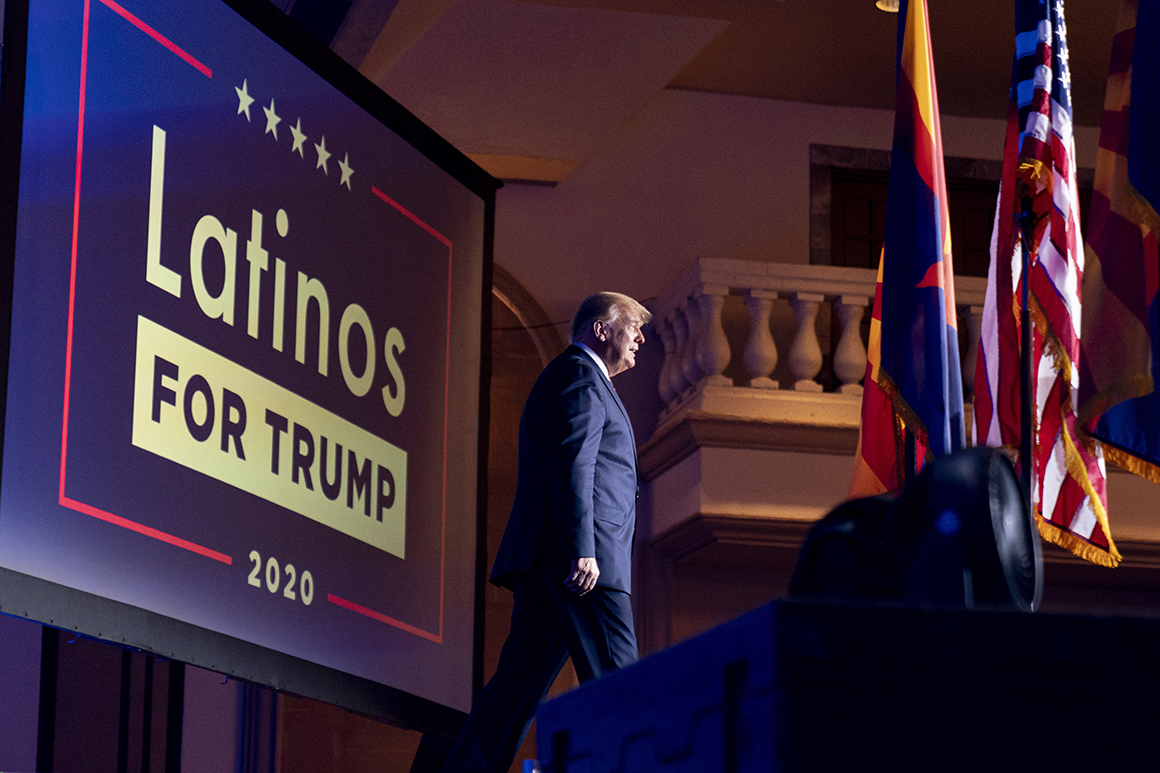
The economic sentiments of Latino voters, once seen as a crucial part of Donald Trump’s support base, are changing as dissatisfaction with his economic policies emerges. This shift poses a significant challenge for the Republican Party ahead of the upcoming U.S. midterms in November 2024.
Recent surveys indicate that many Hispanic small business owners are growing increasingly disillusioned with the current state of the economy. According to a report from the National Federation of Independent Business (NFIB), only 45% of Latino business owners expressed confidence in the economy, down from 60% in 2020. This decline highlights a broader trend of disenchantment that could impact Republican strategies moving forward.
A focus on rising inflation, supply chain disruptions, and labor shortages has contributed to this shift. Many Hispanic entrepreneurs feel that the economic recovery has not reached them, and they are struggling to maintain their businesses amidst increasing costs. For instance, 70% of surveyed Latino business owners reported facing challenges related to rising prices, indicating a significant concern for their financial viability.
As these small business owners voice their frustrations, their dissatisfaction may lead to a reassessment of political allegiances. Historically, Latino voters played a pivotal role in Trump’s electoral success in 2016 and 2020, driven by promises of economic growth and job creation. However, the current economic climate presents a stark contrast to those earlier expectations.
The Republican Party must navigate this shifting landscape carefully. With the midterm elections approaching, the loss of support from Latino voters could have severe implications. In key battleground states such as Arizona, Texas, and Nevada, where Latino voters represent a significant portion of the electorate, the stakes are particularly high.
In response to these concerns, some Republican leaders emphasize the importance of addressing the economic issues that resonate with Latino communities. They highlight the need for policies that focus on job creation, tax relief, and support for small businesses. However, whether these measures will sway disenchanted voters remains uncertain.
The changing attitudes of Latino voters underscore a broader narrative about the economic challenges facing many Americans. As inflation continues to rise, and supply chain issues persist, the political ramifications could be profound. The Republican Party’s ability to connect with and address the needs of Latino voters may determine their success in the upcoming midterms.
In conclusion, the dissatisfaction among Hispanic small business owners regarding Trump’s economic policies signals a potential shift in the political landscape. As the midterm elections draw closer, the Republican Party must take note of these changes and adapt their strategies accordingly to retain support from this vital demographic.