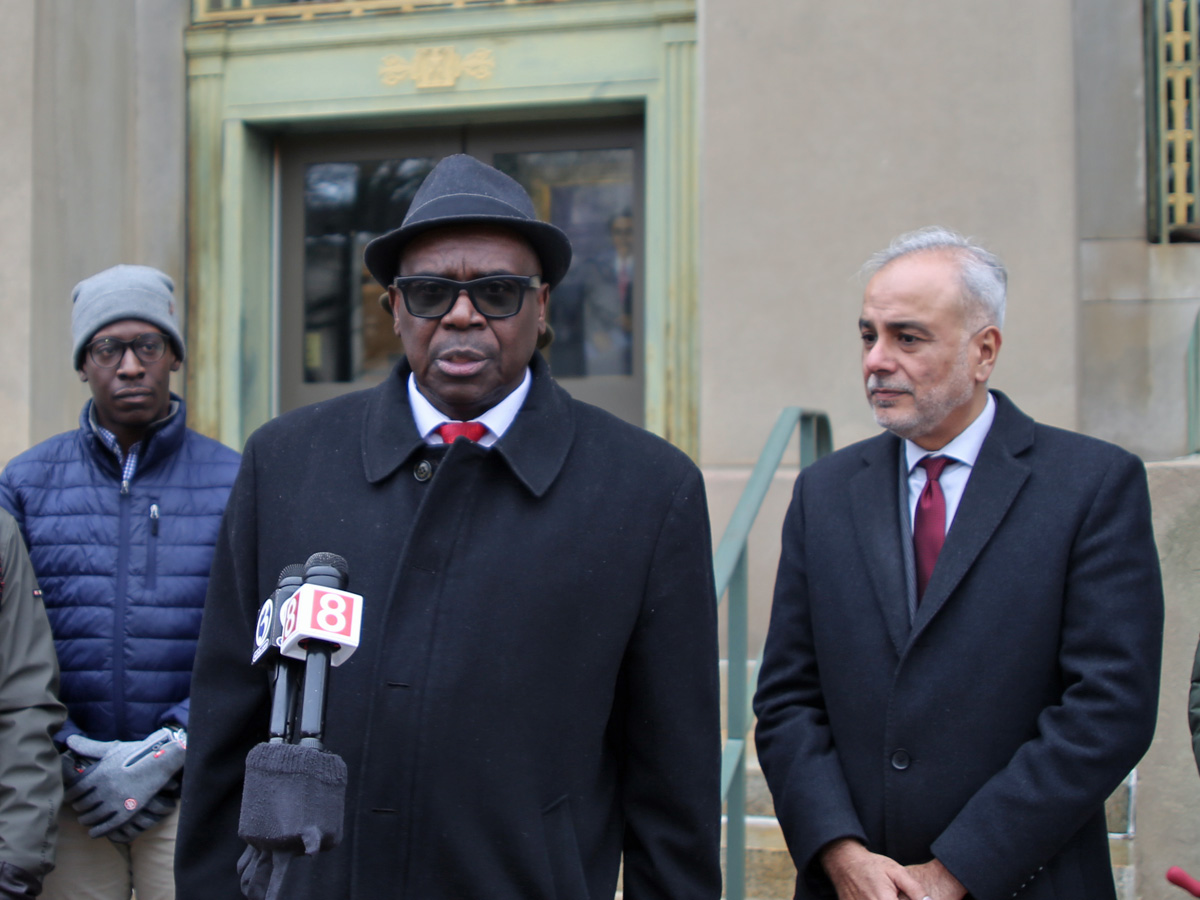
A legal battle concerning a town council seat in South Windsor, Connecticut, is poised to escalate to the state Supreme Court. The case, titled Amadasun v. Armstrong, centers on allegations of voter disenfranchisement following the November 4, 2025, election. Democratic candidate Harrison Amadasun received more votes than any Republican contender but was denied the council position.
Amadasun garnered 3,847 votes in the election, significantly outpacing Republican candidate Rick Balboni, who received 2,937 votes. Despite this, Town Clerk Bonnie Armstrong awarded the seat to Balboni. The controversy stems from a recently approved Town Charter change, which altered the majority representation requirement from a 6-3 majority to a 5-4 majority, effective November 5.
Democrats argue that the charter changes should not apply to the November 4 election, as the new rules were not in effect at that time. Attorney John Kennelly, representing Amadasun, emphasized that the election occurred under the old regulations. “The election is held on November 4, my client is elected by a vast majority of the votes,” Kennelly stated, asserting the legitimacy of Amadasun’s candidacy based on the vote tally.
Kennelly noted that the language of the charter explicitly states that changes do not take effect until after the election. “What you’re saying to people: vote for these six candidates, and the top six get in. Then you say later, after you’ve cast your vote, we’re going to do a new set of laws,” he explained.
The case has seen legal challenges, with Judge Susan Cobb previously ruling in favor of Armstrong’s motion to dismiss the lawsuit. Cobb indicated that the determination made by the town clerk was compliant with the charter revisions, noting that her decision was made after the election was concluded and did not pertain to the electoral process itself.
As the appeal process unfolds, Amadasun has garnered support from various political figures, including Democratic state Senator Saud Anwar and U.S. Representative John Larson. “I will continue to stand with voters who demand accountability, transparency, and respect for the democratic process,” Amadasun declared, reaffirming his commitment to ensuring every vote counts in future elections.
This case highlights ongoing concerns about electoral integrity and voter representation, drawing attention to the necessity of clear and transparent election processes. As the appeal moves forward, the implications will extend beyond South Windsor, potentially influencing future electoral legislation and practices across Connecticut.