Political polarization has increasingly permeated personal relationships in the United States, with many liberal Americans expressing a strong reluctance to date conservatives. This divide, exacerbated during the administration of former President Donald Trump, has prompted individuals to reconsider their dating preferences, particularly when it comes to fundamental social issues.
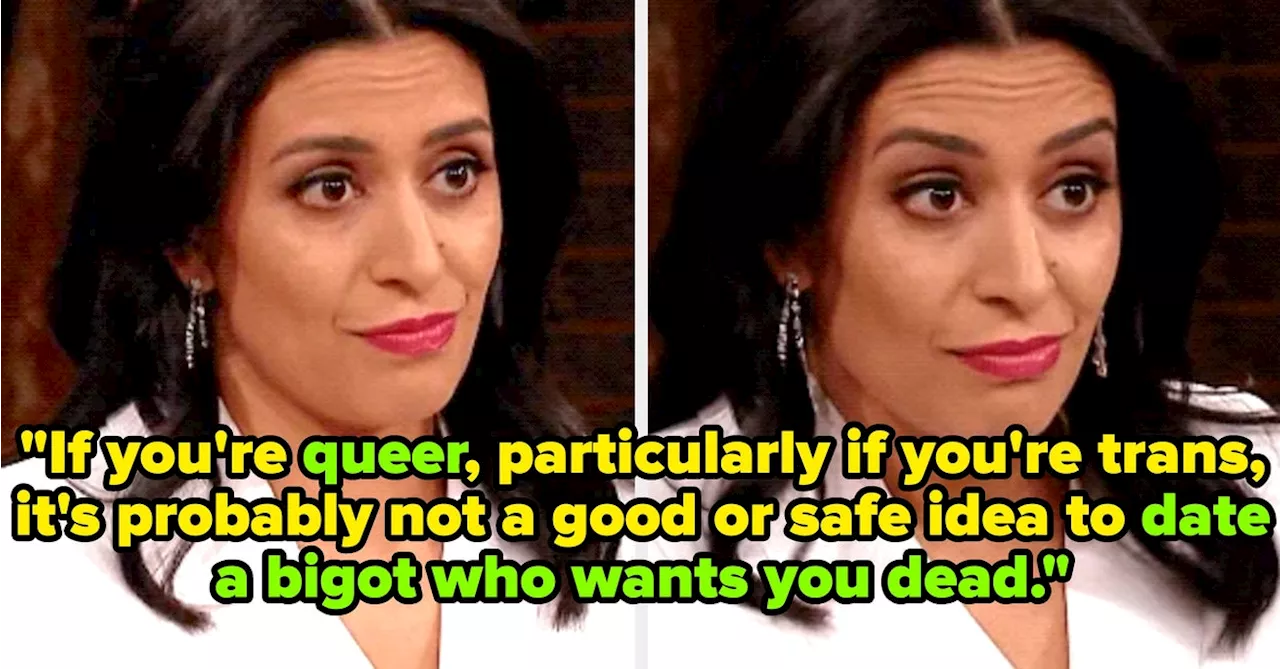
The reluctance to engage romantically with conservatives is especially pronounced among members of marginalized communities. For many in the LGBTQ community, political affiliation directly impacts their safety and well-being. One individual stated, “If someone wants to date me but also voted for a politician who campaigns on taking my rights away, I’m gonna decline.” Such sentiments reflect a broader concern among LGBTQ individuals about aligning with partners whose beliefs may threaten their rights and identities.
Similarly, immigrants voiced similar apprehensions. One person noted, “As an immigrant, I’m not a huge fan of dating someone who thinks I’m a lazy scum who should ‘go back to my own country.’” This highlights how political views can shape perceptions of personal identity and safety in relationships.
Community and Safety Concerns
Many individuals cited the importance of feeling comfortable not only with their partner but also with their partner’s social circle. The fear of being with someone whose political beliefs could jeopardize friendships or safety is significant. One participant explained, “I just can’t imagine I’d date someone that I can’t safely bring around my friends and family.” They emphasized the potential risks faced by marginalized friends, including the possibility of being doxxed or targeted due to their association with a conservative partner.
The perception of conservatives as ethnocentric also plays a role in this reluctance. One individual stated, “My culture holds a great deal of significance for me. I feel a conservative-minded person would be narrow-minded about exposing themselves to ‘other’ traditions.” This sentiment reflects a broader concern among BIPOC individuals who feel that their experiences and cultures could be devalued or fetishized by conservative partners.
For some, dating a conservative is synonymous with aligning with ideologies that endorse harmful policies. Many liberals are unwilling to engage with individuals who vote against their interests, perceiving it as an indication of a lack of empathy. “If you vote against my interests or even vote for someone who voted against my interests, then I simply don’t feel safe with you,” one person articulated.
The potential for fundamental disagreements over core values, such as race, gender rights, and reproductive rights, also deters many from considering conservative partners. A significant number of respondents indicated that they would not date anyone who is anti-abortion, emphasizing the personal nature of these political beliefs. “My health isn’t up for debate,” one individual declared, asserting the importance of bodily autonomy in relationships.
Morality and Worldview
The divide between political affiliations has become increasingly intertwined with moral values. One participant noted that political views are now perceived as reflective of a person’s moral character. “Politics is no longer just politics — it’s about morality,” they stated, highlighting how differing political beliefs can indicate fundamentally different worldviews.
This shift has led many individuals to consider political compatibility as essential in relationships. “A solid relationship is based on shared values,” one participant pointed out. “If you have fundamentally different views on the world, it will be a constant source of tension.” This sentiment underscores the idea that political beliefs are not merely opinions but deeply held perspectives that shape how individuals interact with the world.
Concerns about family dynamics also play a crucial role in these decisions. Many individuals worry about how their partner’s political views may influence future family life, especially regarding issues like gun control and education. “You want a gun-free house; your partner wants to build a gun collection,” one respondent explained, illustrating how these differences could complicate family life.
The ongoing impact of the COVID-19 pandemic has further complicated dating dynamics, as many individuals now prioritize partners who align with their views on public health and safety. For those in healthcare, dating someone who dismisses scientific evidence can be a dealbreaker. “I can’t vibe with someone who believes in hoaxes, fake news conspiracies, and thinks the pandemic is a scam,” one healthcare professional stated.
As political identities continue to shift, many individuals find themselves navigating a complex landscape in dating. While some express a willingness to engage with those who hold differing views, the overarching sentiment among liberal Americans is one of caution. “Your time is valuable, so why would you waste it on someone who fundamentally believes the opposite of what you do?” one individual concluded, emphasizing the stakes involved in choosing a partner in today’s polarized climate.
This exploration of dating preferences serves as a reflection of broader societal tensions, revealing how deeply personal choices can be influenced by political beliefs and values. As the political landscape evolves, so too do the dynamics of personal relationships, with many individuals prioritizing compatibility in both values and beliefs.