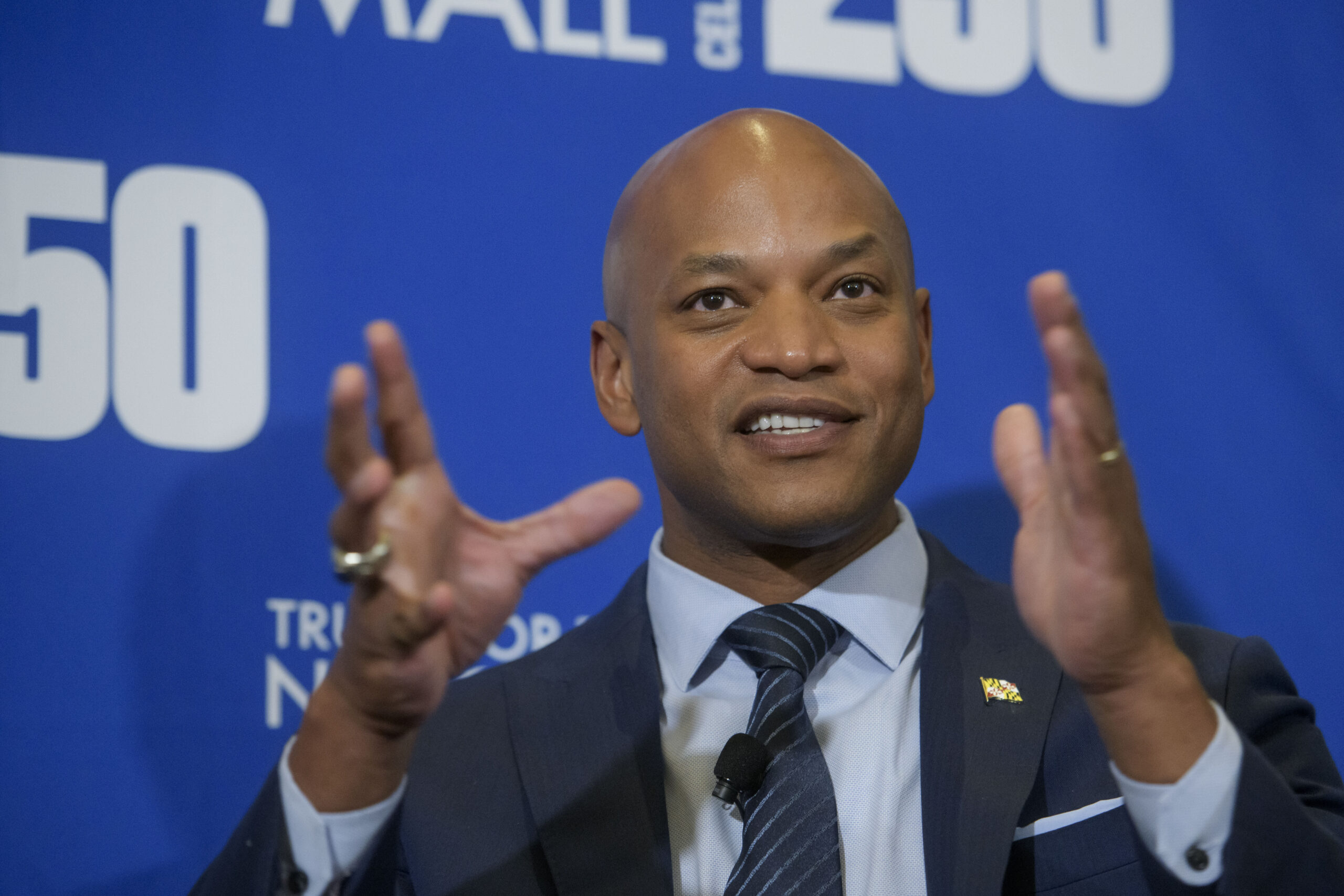
A recent survey revealed that fewer than one-third of Maryland residents consider Governor Wes Moore‘s redistricting initiative a top priority. This response highlights a significant disconnect between the governor’s agenda and public sentiment regarding electoral changes in the state.
Public reaction to the redistricting proposal has been notably critical. Many residents feel that the focus should be on pressing issues such as education, healthcare, and public safety rather than on restructuring electoral districts. The survey, conducted in late September 2023, polled over 1,000 residents and revealed that just 30% view the redistricting efforts as a pressing concern.
Concerns Over Priorities
The findings of the survey suggest a broader trend among Maryland voters who are increasingly skeptical of political maneuvering. Residents expressed concerns that redistricting could divert attention from more immediate needs. Maryland’s population has been grappling with numerous challenges, including rising crime rates and educational disparities that many believe should take precedence over electoral boundaries.
In response to the survey results, Governor Moore’s office maintained that redistricting is a necessary step to ensure fair representation for all Marylanders. They argue that the proposal aims to address imbalances in electoral districts that have persisted for years. However, the lack of public enthusiasm indicates a potential hurdle for the administration as it seeks to implement this plan.
Political Implications
The redistricting push is particularly pertinent in the context of upcoming elections. With midterm elections approaching, strategic electoral boundaries could significantly influence voting outcomes. Critics argue that the timing of this initiative raises questions about its motivations. They contend that the focus should be on unifying the community rather than reshaping political landscapes.
Political analysts suggest that the governor’s team may need to reassess their communication strategy to align better with constituents’ priorities. Engaging the public in discussions about electoral changes could foster greater support and understanding. As the debate unfolds, it remains to be seen how the administration will navigate the complexities of public opinion while pursuing its legislative goals.
As Maryland approaches a pivotal election cycle, the tension surrounding redistricting will likely continue to evolve, reflecting the broader dynamics of voter engagement and political strategy. With many residents voicing their concerns, the pressure is on for Governor Moore to address these priorities head-on, ensuring that the voices of Marylanders are heard in the decision-making process.