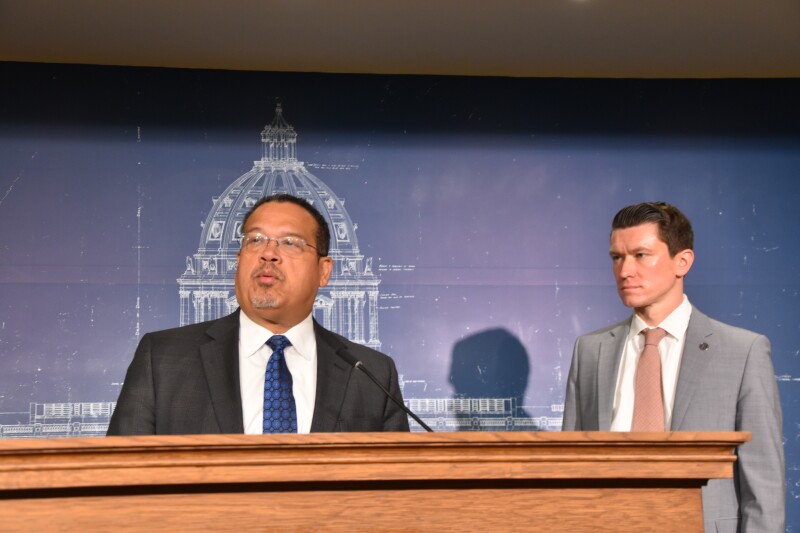
On February 25, 2024, Minnesota Attorney General Keith Ellison and the House DFL introduced a series of anti-fraud proposals aimed at strengthening oversight within state programs. This initiative follows increased scrutiny of state agencies during the interim between legislative sessions, highlighting the need for robust measures to combat fraud.
Strengthening the Medicaid Fraud Control Unit
Central to these proposals is a bill known as the Medical Assistance Protection Act (MAP Act), authored by Rep. Matt Norris, DFL-Blaine. The legislation seeks to enhance the Medicaid Fraud Control Unit (MFCU) by allocating funds for 18 new staff members, raising the total to 52. Additionally, the bill would empower the unit to subpoena financial records, a critical tool in the fight against fraud.
“Giving this vitally important unit more support is a no-brainer for people on either side of the aisle who are serious about fighting fraud,” Ellison stated during the announcement. The proposed legislation aims not only to bolster resources but also to redefine Medicaid fraud, thus broadening the pathways for prosecution. Currently, penalties for defrauding the private sector can be more severe than those for defrauding Medicaid, which primarily serves low-income individuals.
The fiscal impact of the MAP Act is estimated at $1.2 million annually. This recommendation for additional staffing was made by the U.S. Department of Health and Human Services, especially as Minnesota’s Medicaid budget has surged to approximately $20 billion. The number of referrals to the MFCU from state agencies and managed care organizations has also tripled in recent years.
Challenges and Legislative Dynamics
The push for enhanced support comes at a time when the U.S. Attorney’s Office, which has historically prosecuted many high-profile Medicaid fraud cases, faces significant staff turnover. Nick Wanka, director of the MFCU, noted that while no cases have been directly transferred since the recent resignations, his office is prepared to take on additional fraud cases as needed. “Of course, if we take those with our current staff, that means other cases may not receive immediate attention,” he explained.
As lawmakers in Minnesota focus on fraud prevention, Governor Tim Walz is expected to unveil his own anti-fraud proposals shortly. In addition, Senate Republicans have introduced their own legislative package aimed at combating fraud. One notable bipartisan proposal is the creation of a statewide Office of Inspector General (OIG), designated as SF856, which passed the Senate with a 60-7 vote last session. Despite this support, the bill has faced setbacks in House committees, being stalled twice this session.
Norris pointed to a critical amendment regarding the appointment process for the inspector general, which was not adopted and led to the bill’s current impasse. “The DFLers on the committee didn’t feel it was responsible to send a bill that is still unconstitutional out of the state government committee,” he stated. Despite these challenges, he remains optimistic, asserting that the bill is “certainly not dead” and that discussions continue across party lines.
Senator Heather Gustafson, DFL-Vadnais Heights, also urged collaboration among legislators to move the bill forward. “While I understand the challenges presented by a 67-67 tied House and evenly split committees, Minnesotans have seen that we can all work together across the aisles in a productive manner to prevent fraud,” she emphasized.
The ongoing efforts to enhance anti-fraud measures in Minnesota reflect a broader commitment to safeguarding public resources and ensuring accountability within state programs. As discussions evolve, stakeholders from various political backgrounds remain engaged in the pursuit of effective solutions.