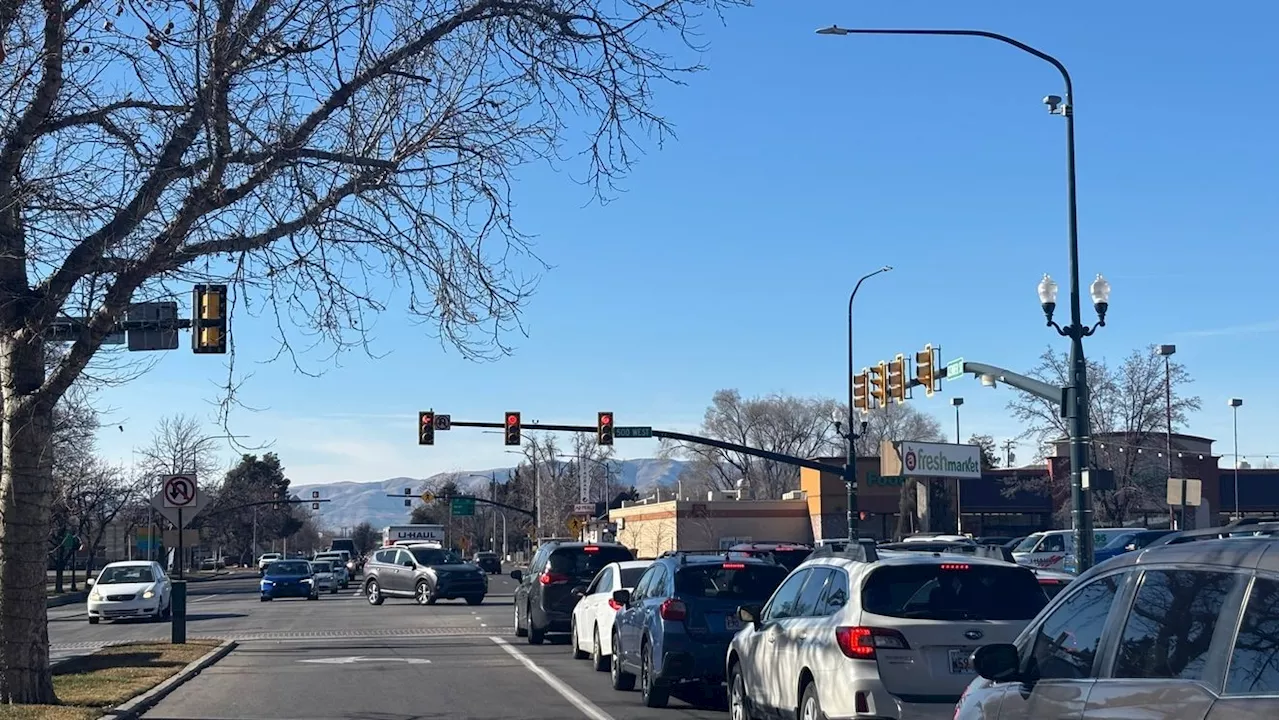
Provo city officials are exploring a proposal to reduce penalties associated with the local “lookout law,” which mandates drivers to maintain awareness of their surroundings, including traffic and obstacles. Currently, violations of this law are classified as a Class B misdemeanor, comparable to a first-time DUI conviction, which can result in fines up to $1,000 or a maximum of six months in jail. Assistant City Attorney Matthew Griffiths has initiated discussions to downgrade this offense to an infraction, which would limit penalties to a maximum fine of $500 without the risk of incarceration.
Griffiths argues that amending the law would be more just for drivers, especially since the existing classification has often been used as a “catch-all” for various traffic incidents that do not fit specific Utah Code violations. In a recent email, Griffiths explained that the change aims to align Provo’s ordinance with similar state traffic laws, and he suggested that the language could be simplified for better understanding.
Public reactions to the proposed change have been mixed. Local driver Gracie Hess expressed support for the modification, noting, “A misdemeanor is a little bit high because things happen… accidents happen; you never know what you might see on the road.” Hess emphasized that reducing penalties could be more beneficial for drivers who find themselves in unexpected situations.
Another Provo resident, Edward Miller, highlighted the importance of the proposed adjustment, suggesting that categorizing the violation as a misdemeanor could unduly penalize drivers who may not have intended to break the law. “If it’s a straight-up misdemeanor, that’s a pretty big offense for something that he wasn’t sure to classify,” Miller stated.
The Provo Police Department was contacted for further insight on the application’s law enforcement, though they did not provide an interview. They did, however, confirm that the change is aimed at harmonizing local traffic regulations with other infractions already present in city ordinances.
As discussions continue, some community members remain concerned about the implications of this change. Hess noted that a lower penalty might lead to less caution among drivers if they perceive a reduced risk of severe consequences. “I could see it having an opposite effect… but I doubt that that’s probably going to happen,” she added, reflecting on the potential risks involved.
The proposed adjustments to Provo’s lookout law highlight ongoing debates about traffic regulations and their impact on driver behavior. Griffiths’ proposal, still under consideration by city officials, seeks to strike a balance between accountability and fairness for drivers navigating the complexities of urban roads. The outcome of this proposal could set a precedent for how similar laws are enforced across the region.