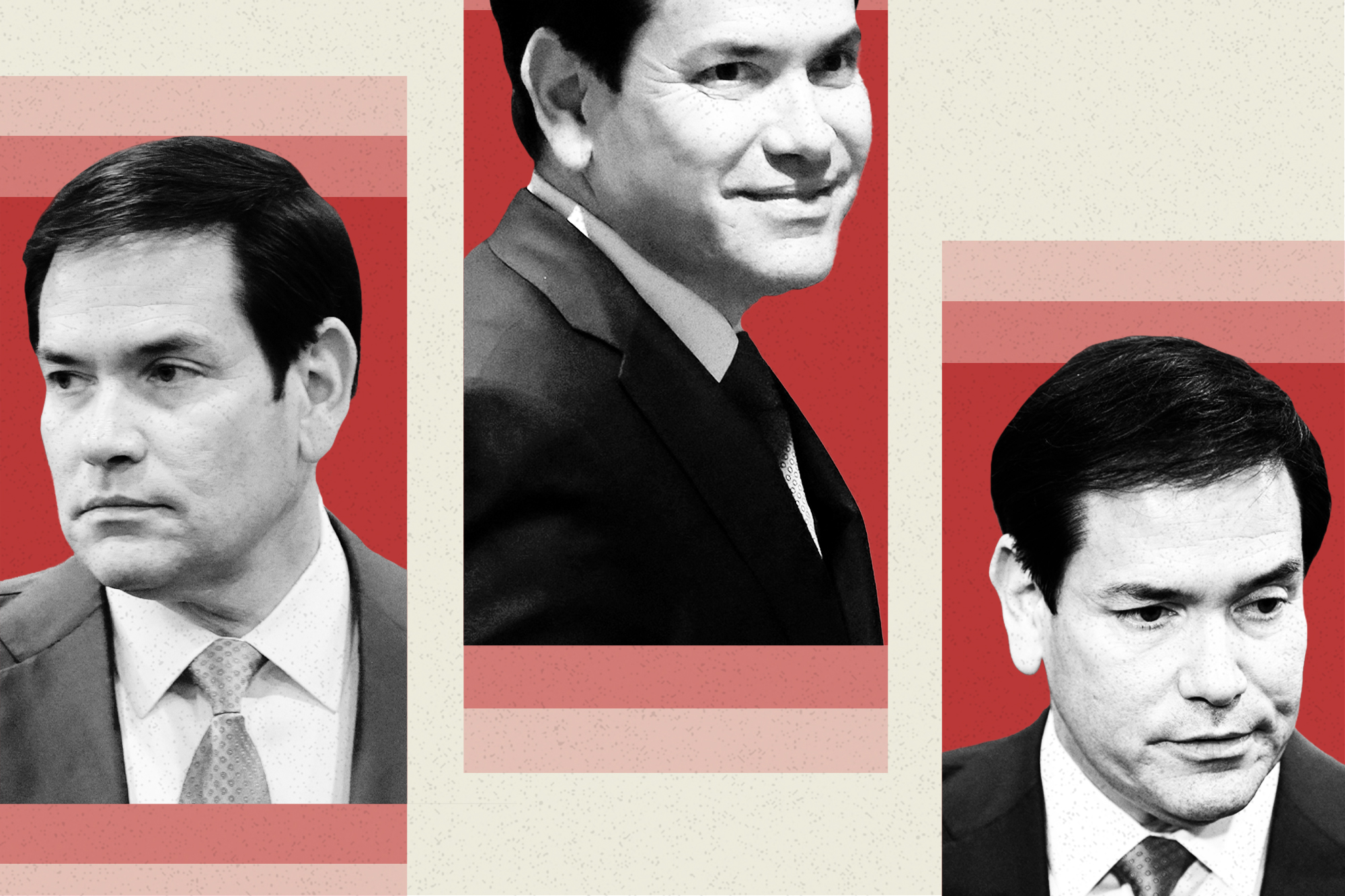
Marco Rubio, the United States Secretary of State, is experiencing a surge in political visibility as discussions about the 2028 presidential race gain momentum. His involvement in addressing the ongoing crisis in Venezuela has positioned him as a key figure within the Republican Party. Nevertheless, recent reports indicate that he may reconsider his intentions regarding a presidential run, a shift that could significantly impact his political future.
In a private conversation, Rubio hinted at the possibility of not pursuing the presidency in the upcoming election cycle. This revelation has raised eyebrows among political analysts who closely monitor his career trajectory. Historically, Rubio has shown a tendency to change his mind on major political decisions, leaving many to speculate about his true ambitions.
Rubio’s engagement with Venezuelan affairs has amplified his profile domestically and internationally. The ongoing humanitarian crisis in Venezuela, marked by severe shortages of food, medicine, and basic services, has drawn attention from global leaders, prompting the U.S. to take a more active role. Rubio has advocated for stronger actions against the Venezuelan government, aligning himself with the growing bipartisan support for intervention.
The Secretary’s recent initiatives include promoting sanctions aimed at key Venezuelan officials and supporting efforts to provide humanitarian aid. These actions have not only underscored his commitment to foreign policy but have also showcased his leadership capabilities. As he navigates this complex situation, he balances the demands of his current role with the potential ambitions of a presidential campaign.
With the Republican primaries scheduled to begin in early 2028, Rubio’s position remains precarious. His potential candidacy could face significant challenges from other prominent figures within the party. Notable contenders include Donald Trump and Ron DeSantis, both of whom have substantial support and established voter bases.
As speculation surrounding Rubio’s political future intensifies, his decisions regarding the Venezuela crisis will likely play a pivotal role in shaping public perception. Observers argue that a strong stance could bolster his credentials as a serious presidential candidate. Conversely, a lack of commitment may diminish his standing within both the party and the electorate.
Rubio’s political narrative is further complicated by the dynamics within the Republican Party, which continues to evolve. With the party’s base becoming increasingly polarized, he must navigate the delicate balance between moderates and more extreme factions. This political landscape could significantly influence his decision-making process as the 2028 election approaches.
In conclusion, while Rubio’s profile is on the rise due to his involvement in Venezuela, the risks associated with a presidential bid are equally significant. The coming months will be critical as he weighs his options, potentially altering the course of his political career. As the landscape shifts, his actions may determine not only his future but also the direction of the Republican Party heading into the next presidential election.