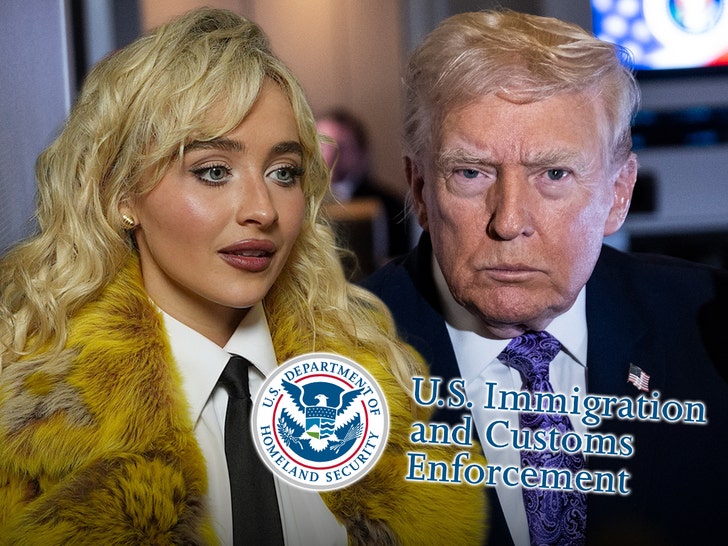
Sabrina Carpenter has publicly condemned the White House for its use of her song in a video promoting deportation efforts. The clip, shared on the administration’s social media account, featured her hit “Juno” alongside a montage of arrests conducted by the Department of Homeland Security (DHS). In a response posted on X (formerly Twitter) on October 3, 2023, Carpenter described the video as “evil and disgusting,” emphasizing that her music should not be associated with what she termed an “inhumane agenda.”
The White House’s choice of Carpenter’s song led to a significant backlash, as the lyrics “Have you ever tried this one?” were juxtaposed with scenes of arrests. This lyrical line, which Carpenter had previously used to introduce a new dance move during her Short n’ Sweet Tour, took on a starkly different tone in the context of the video. Carpenter’s outrage reflects a broader concern among artists about the appropriation of their work for political messaging.
Shared Criticism from Fellow Artists
Carpenter’s criticism aligns with the recent sentiments expressed by fellow artist Olivia Rodrigo. Rodrigo also took issue with the White House when it utilized her song “All-American Bitch” in a promotional post that she deemed as “racist, hateful propaganda.” This trend among pop artists highlights a growing movement within the music industry to hold political entities accountable for their use of artistic expressions.
Both Carpenter and Rodrigo’s responses signify a pivotal moment where artists are becoming increasingly vocal about their discomfort with political associations. The backlash against the White House reflects a desire for artists to maintain control over how their work is represented and utilized in the public discourse.
As the political landscape continues to evolve, the intersection of music and policy raises important questions about the ethics of using creative works to promote governmental agendas. Carpenter’s firm stance serves as a reminder that artists are not merely passive contributors to culture but active participants in shaping the narratives surrounding their work.
Moving forward, it remains essential for political figures to consider the implications of using popular music in their messaging strategies. The reactions from Carpenter and Rodrigo demonstrate that artists are prepared to challenge and critique the use of their art in ways that may conflict with their values.