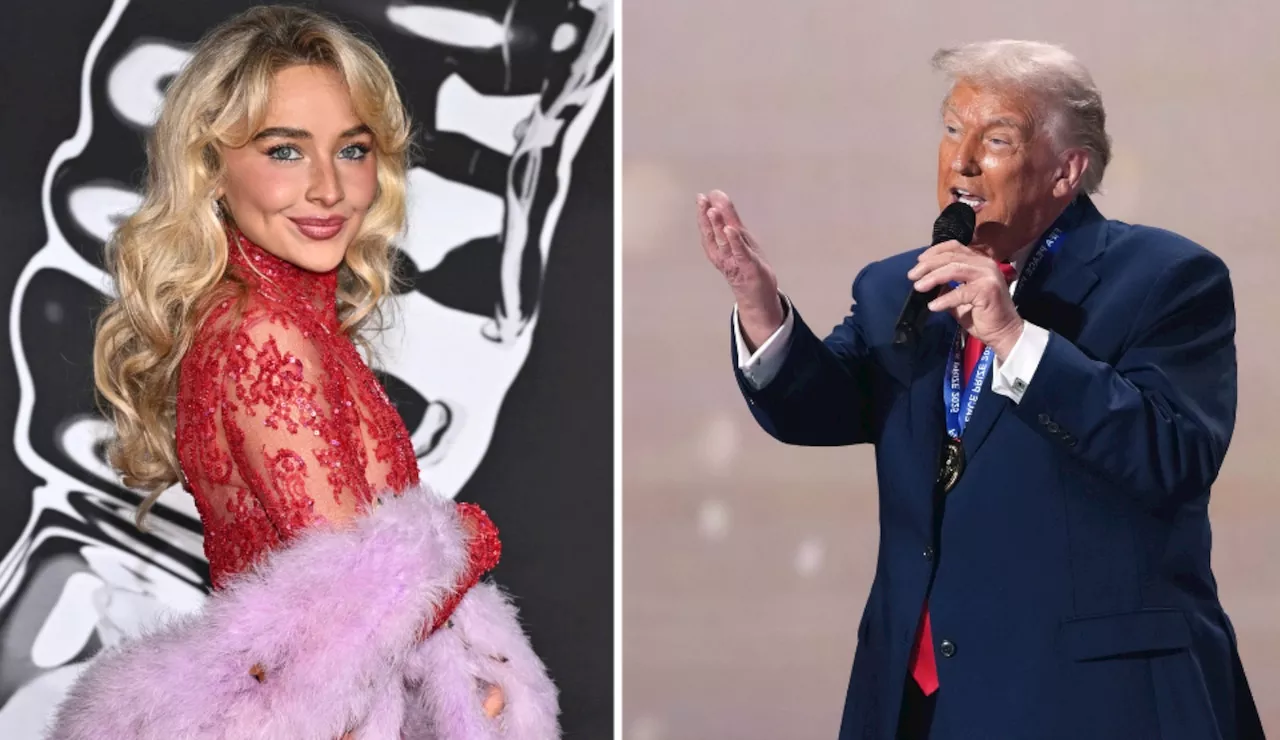
Pop star Sabrina Carpenter has successfully pressured the White House into removing a controversial video that featured her song “Juno.” The video, which showed footage of law enforcement officers apprehending individuals, sparked outrage after Carpenter condemned its use as “evil and disgusting.”
The incident unfolded on March 15, 2024, when Carpenter took to social media to express her disapproval of the video. In a post on X, she stated, “This video is evil and disgusting. Do not ever involve me or my music to benefit your inhumane agenda.” Her condemnation quickly gained traction, leading to widespread public support from her fans.
Escalation of the Conflict
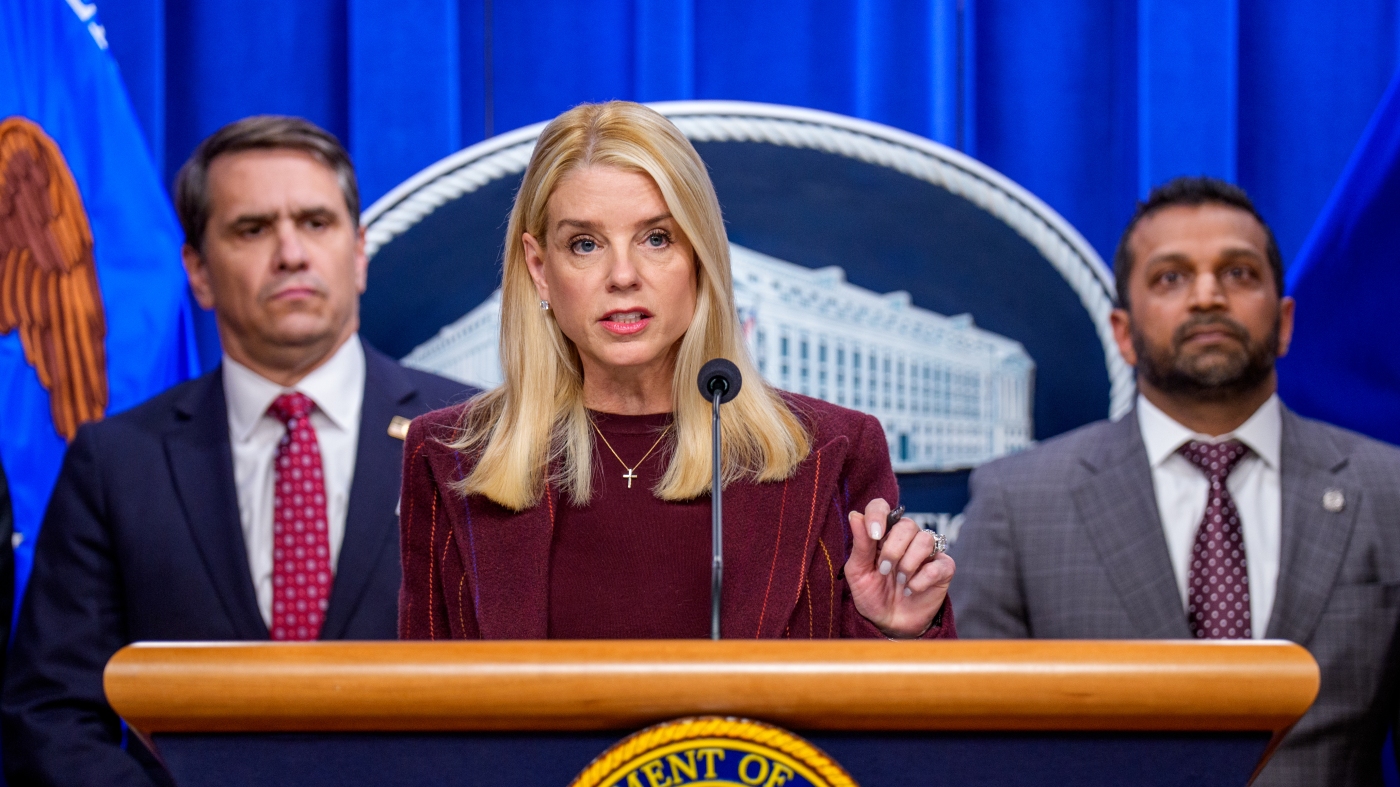
In response to the backlash, White House spokeswoman Abigail Jackson defended the video, claiming that Carpenter’s lyrics were being misinterpreted. Jackson issued a statement that included a manipulated audio clip, altering a line from Carpenter’s song to suggest that she supported the administration’s stance on immigration. The altered line replaced “too hot” with “too illegal,” prompting further outrage from fans and observers alike.
Jackson remarked, “Here’s a Short n’ Sweet message for Sabrina Carpenter: we won’t apologize for deporting dangerous criminal illegal murderers, rapists, and pedophiles from our country. Anyone who would defend these sick monsters must be stupid, or is it slow?” This combative response intensified the conflict between the artist and the administration.
Wider Implications
The incident has highlighted ongoing tensions surrounding the use of pop culture in political messaging, particularly in relation to immigration policies. Carpenter’s strong reaction underscores the potential consequences when artists feel their work is misappropriated for political gain.
As the White House continues to face scrutiny over its immigration strategies, this incident serves as a reminder of the power that artists like Carpenter hold in influencing public opinion and pushing back against narratives they find objectionable.
The removal of the video is a significant moment in this ongoing dialogue, reflecting the impact of social media activism and the role of public figures in challenging political actions. Carpenter’s response has resonated with many, prompting discussions about the ethical implications of using music in such contexts.
The evolving situation illustrates the intersection of entertainment and politics, emphasizing how cultural figures can shape narratives and influence policy discussions. As the dialogue continues, it remains to be seen how both Carpenter and the White House will proceed in this contentious exchange.