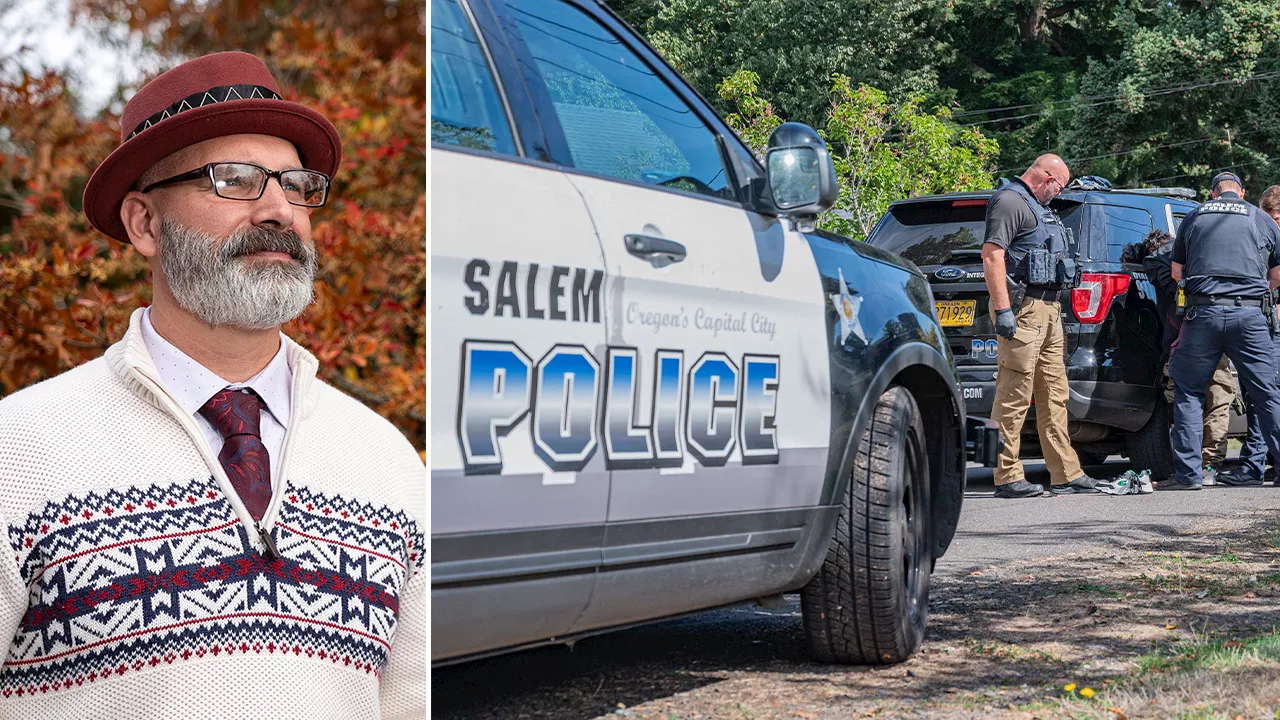
The Salem City Council has reversed its recent appointment of Kyle Hedquist to the Community Police Review Board and the Civil Service Commission. This decision, made during a special meeting on January 7, 2024, follows significant public outcry regarding Hedquist’s criminal history, including a murder conviction from 1995. The council voted 6 to 2 to remove him from these advisory boards, just weeks after a narrow 5 to 4 vote had reappointed him.
Hedquist was convicted for the murder of Nikki Thrasher, a 19-year-old, and he later expressed fears that she would report him for possessing stolen property. After serving almost 28 years in prison, his sentence was commuted by former Governor Kate Brown, who cited his rehabilitation and good behavior as reasons for the decision.
The controversy surrounding Hedquist’s appointment intensified after it was revealed that background checks had not been conducted on members of the boards and commissions. This oversight meant that the council was not fully informed of Hedquist’s past, nor were they given clear standards on how criminal history should influence appointment decisions. Documentation from council meetings indicated that members lacked guidance on which convictions could disqualify applicants or the necessary time frame following a conviction for consideration in sensitive roles.
The backlash from the community was swift and severe, particularly from the Salem Police Employees Union and the Salem Professional Fire Fighters Local 314. The unions accused the city leaders of creating a “credibility crisis” and initiated a campaign urging residents to contact council members.
During the emotional January meeting, numerous residents submitted written testimonies, and public comment was overwhelmingly against Hedquist’s appointment. Councilor Deanna Gwyn stated that had she known about Hedquist’s background, she would not have supported his reappointment. She shared a photograph of Thrasher and read a heartfelt note from her best friend, highlighting the deep emotional impact of the situation.
Hedquist, visibly emotional, addressed the council, reflecting on the burden of his past actions. “For 11,364 days, I have carried the weight of the worst decision of my life,” he stated. His wife also spoke, revealing that their family received death threats after the news gained national attention.
Following the public outcry, Councilor Vanessa Nordyke, who initially supported Hedquist’s reappointment, called for a reevaluation of the decision. She later expressed regret over her vote, wishing she had heard public testimony before the December decision.
The January 7 meeting prompted significant changes to the city’s policies regarding board appointments. New standards require that all applicants for the Community Police Review Board and the Civil Service Commission complete criminal background checks. Those convicted of violent felonies are now automatically disqualified from serving on these boards. This measure aims to enhance public trust in the city’s governance and ensure that perspectives of victims are represented in police oversight.
In addition to these changes, the council has reserved at least one seat on the Community Police Review Board for individuals with personal experience as victims of felonies. This move is intended to ensure that the voices of those affected by crime are heard in discussions about public safety.
Mayor Julie Hoy, who opposed Hedquist’s reappointment and supported its revocation, emphasized that her decisions were based on governance and public trust rather than political motivations. She stated that the council’s actions reflect the community’s concerns and are vital for maintaining public confidence in local governance.
Councilor Brad Brown condemned the threats faced by council members and criticized the creation of a website targeting those who supported Hedquist’s appointment. He remarked on the need for respectful civic discourse, stating, “I thought we were better than this.”
The Salem City Council’s decision to revoke Hedquist’s appointment marks a significant moment in the ongoing dialogue about accountability, rehabilitation, and public safety in the community. The repercussions of this situation are likely to resonate far beyond the immediate aftermath, influencing future appointment processes and community relations.