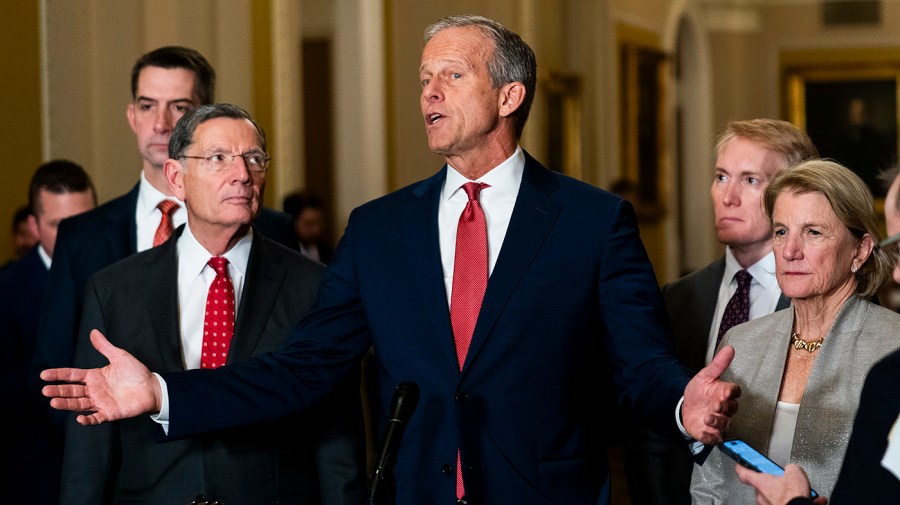
The Senate will conduct a pivotal vote on March 7, 2024, regarding a Republican proposal aimed at overhauling health insurance subsidies under the Affordable Care Act. Senate Majority Leader John Thune (R-S.D.) confirmed that the plan would replace existing enhanced subsidies with health savings accounts, which would receive federal contributions to aid individuals with out-of-pocket medical expenses.
This vote comes at a critical juncture, as the Senate is also scheduled to consider a Democratic initiative to extend the current health insurance subsidies. The Republican plan has garnered attention for its potential impact on millions of Americans who rely on these subsidies for affordable health care coverage.
Under the proposed system, health savings accounts would empower individuals to manage their health care costs more directly. Proponents argue that this approach encourages personal responsibility while providing necessary federal support to those who need it most. Critics, however, raise concerns about the sufficiency of such accounts in meeting the needs of vulnerable populations who may struggle to cover rising medical expenses.
The debate surrounding health care reform remains contentious, with both parties presenting starkly different visions for the future of American health policy. The outcome of the vote on Thursday could significantly alter the landscape of health care coverage in the United States, making it a crucial moment for lawmakers and constituents alike.
Thune expressed confidence in the Republican proposal during a press briefing, stating that it aligns with the party’s commitment to provide more flexible and personalized health care options. “This is about empowering Americans to take control of their health care decisions,” Thune remarked.
On the other hand, the Democratic plan seeks to maintain and extend the current subsidies, emphasizing the importance of making health care accessible and affordable for all. Senate leaders are preparing for a robust debate, as both sides brace for a contentious discussion that is likely to resonate across the political spectrum.
As the Senate prepares for these critical votes, the implications of the proposed changes will be closely watched by health care advocates, industry professionals, and the general public. The decisions made in the coming days will shape the future of health care in the United States, affecting millions of individuals and families who rely on these essential services.