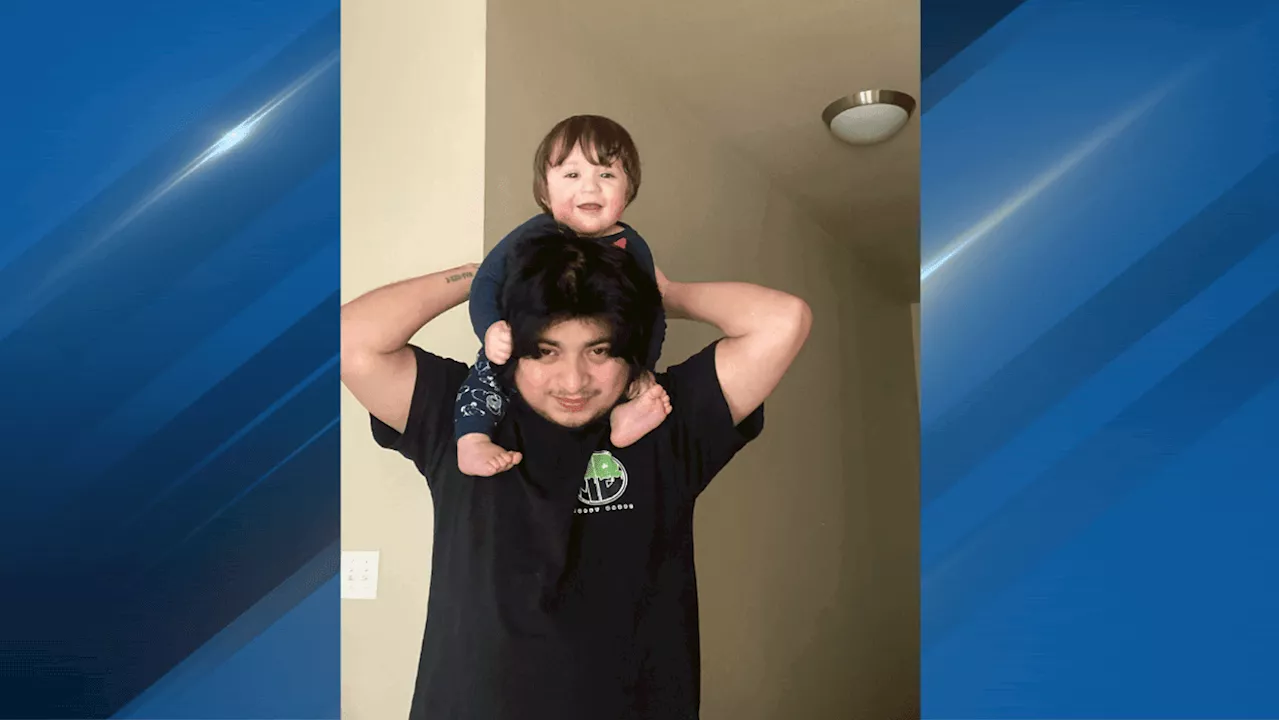
Senator Patty Murray has strongly condemned the actions of U.S. Immigration and Customs Enforcement (ICE) following an incident in which an “attack dog” was allegedly used against her constituent, Wilmer Toledo-Martinez. This incident occurred on November 14, 2023, in Vancouver, Washington, and has sparked widespread outrage and calls for reform in immigration enforcement practices.
Murray described how Toledo-Martinez was lured from his home before being “violently attacked and dragged away” by ICE officers, despite not resisting arrest. The senator emphasized that the attack was witnessed by his wife and two young children, who were left traumatized. “They sicced the dog on him; had him on the ground, hitting him,” recounted John Williams Sr., a neighbor who witnessed the event.
Murray criticized the broader deportation policies under the administration of former President Donald Trump, stating, “Trump is not going after violent criminals or the worst of the worst—he is terrorizing everyone, including U.S. citizens and their loved ones.” She firmly expressed her disapproval of federal agents using attack dogs on peaceful residents without facing consequences.
Witness accounts highlight the disturbing nature of the incident. Pierce Stevens, a neighbor, described the shock he and his wife felt while witnessing the attack, saying, “We were almost in tears just seeing a neighbor of ours being attacked.” The senator’s calls for accountability included demands for Toledo-Martinez’s immediate release from the Northwest ICE Processing Center in Tacoma, citing his lack of criminal convictions and urgent medical needs.
According to Toledo-Martinez’s attorney, ICE agents misled him into coming outside by claiming that they needed him for medical attention, which led to the violent encounter. “It’s just not right; sickening, honestly. At the end of the day, these guys should be trained properly,” the attorney stated, stressing the need for transparency and ethical conduct in enforcement actions.
Following the incident, Toledo-Martinez was denied medical attention for hours, despite suffering injuries from the dog attack. He eventually received treatment, including stitches and medication, but has reported ongoing difficulties in obtaining adequate care during his detention. The senator highlighted that Toledo-Martinez, who came to the U.S. at the age of 15 and is married to a U.S. citizen, does not pose a threat to society.
Murray reiterated the importance of speaking out against human rights abuses in immigration enforcement. “Every one of us must speak out against these kinds of human rights abuses,” she stated. The emotional toll on Toledo-Martinez’s family has been significant, with Williams Sr. noting the distress experienced by Toledo-Martinez’s children during visits to the detention facility.
The allegations against ICE come amidst a broader national conversation about immigration policies and the treatment of undocumented individuals in the United States. The senator’s condemnation of the use of aggressive tactics against individuals who are not a danger to society raises questions about the ethical implications of current enforcement policies.
Murray’s statements and the accounts from witnesses reflect a growing concern about the potential for abuse in immigration enforcement, particularly regarding the use of force. As public scrutiny of ICE continues, the case of Wilmer Toledo-Martinez may serve as a pivotal moment in the ongoing debate surrounding immigration reform and human rights protections.
In a separate incident in Vancouver, a different family sought answers after a man was reportedly treated without issue following his encounter with ICE, leading to further scrutiny of ICE’s practices and the narratives surrounding their operations.
As the situation unfolds, the actions of ICE and the responses from political leaders like Senator Murray will undoubtedly influence the ongoing dialogue about immigration enforcement in the United States.