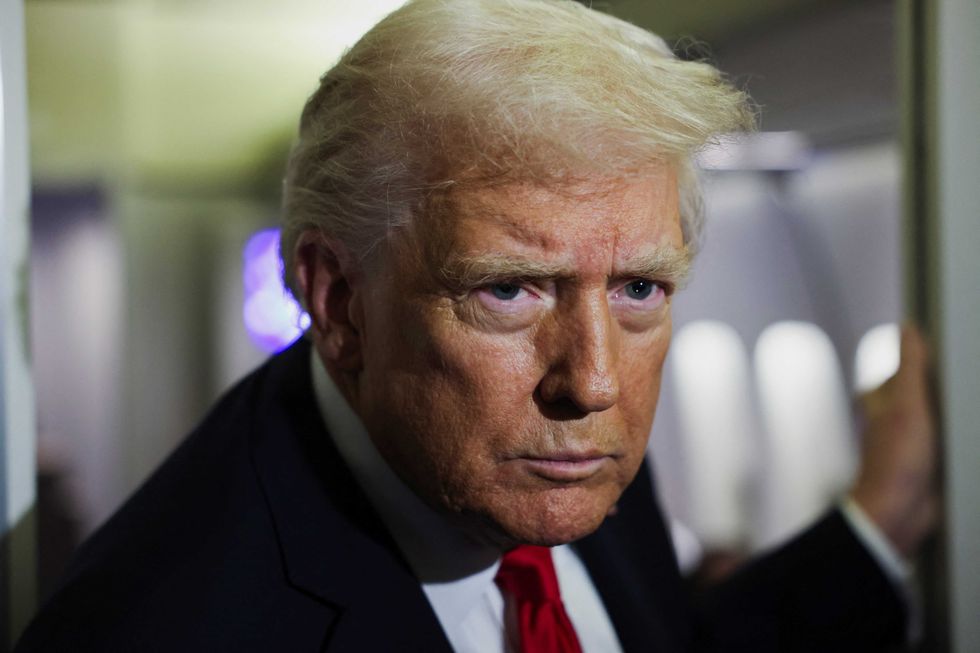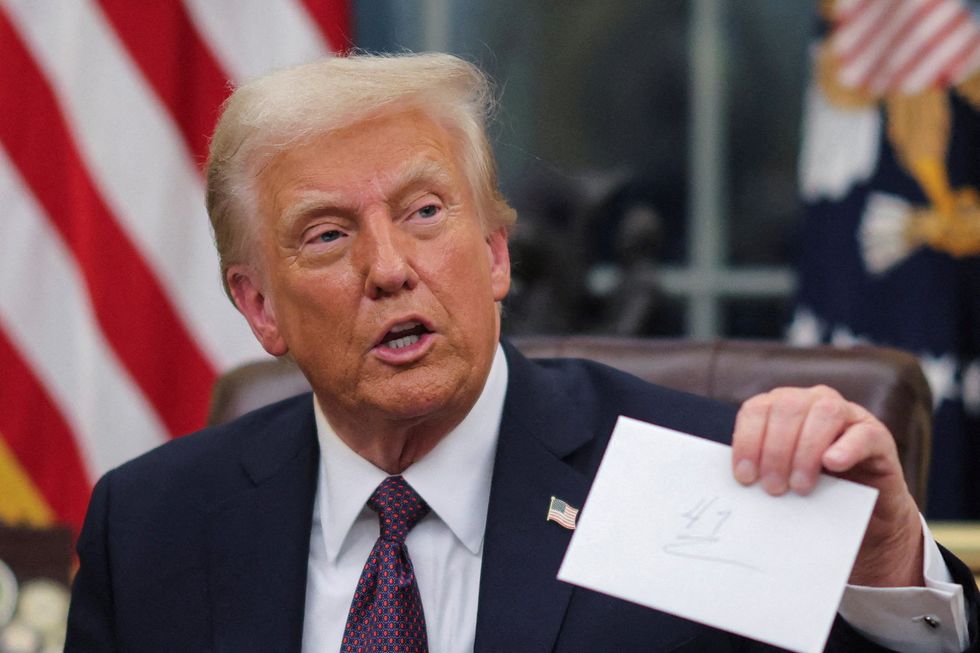
Legal expert Eric A. Baldwin has clarified that former President Donald Trump cannot revoke the executive orders, pardons, or proclamations issued by President Joe Biden. This statement follows Trump’s assertion that Biden’s use of an autopen to sign these documents renders them legally invalid. Baldwin, a postdoctoral research fellow at Stanford Law School, emphasized that a sitting president does not possess the authority to simply negate the actions of their predecessor.
Baldwin stated, “There is no legal basis for the idea that a president can invalidate a predecessor’s actions simply because they were signed with an autopen.” He explained that constitutional law prevents a new president from retroactively voiding pardons or executive orders once they are granted or signed.
The legal precedent supporting Baldwin’s statement can be found in the case of United States v. Klein, which illustrates that the legality of an order established by a former president cannot be overturned based on the signing method employed. Baldwin pointed out that the use of autopen is not a new practice; it has been utilized by several former presidents, including George W. Bush, Barack Obama, and even Trump himself. He noted, “Presidents have used mechanical or proxy signature devices going back for at least 50 years.”
The legitimacy of autopen signatures is further affirmed by a 2005 memo from the Justice Department Office of Legal Counsel, stating that the president may lawfully direct an autopen to sign legislation, and that such signatures carry full legal effect. Baldwin remarked, “No court has rejected this view.”
In discussing the implications of pardons, Baldwin asserted that once a pardon is issued, its legal consequences are final. He stated, “The Court made clear that neither Congress nor the executive can manipulate the effect of valid pardons after the fact.” Therefore, Trump cannot simply revoke an executive order; he must issue a new written order to replace the existing one.
To unwind regulations, the administration must adhere to the procedures outlined in the Administrative Procedure Act. This includes providing notice and allowing for public comment, as well as offering a reasoned explanation for any changes made.
Despite this legal framework, Trump remains adamant about his intentions. In a post on Truth Social, he reiterated his claim that any documents signed by Biden using an “unauthorized” autopen are null and void. He wrote, “Any and all Documents, Proclamations, Executive Orders, Memorandums, or Contracts, signed by Order of the now infamous and unauthorized ‘AUTOPEN,’ within the Administration of Joseph R. Biden Jr., are hereby null, void, and of no further force or effect.”
The ongoing debate underscores the complexities of executive power and the legal constraints that govern presidential actions. As the political landscape continues to evolve, the implications of these legal rulings will likely resonate in future administrations.