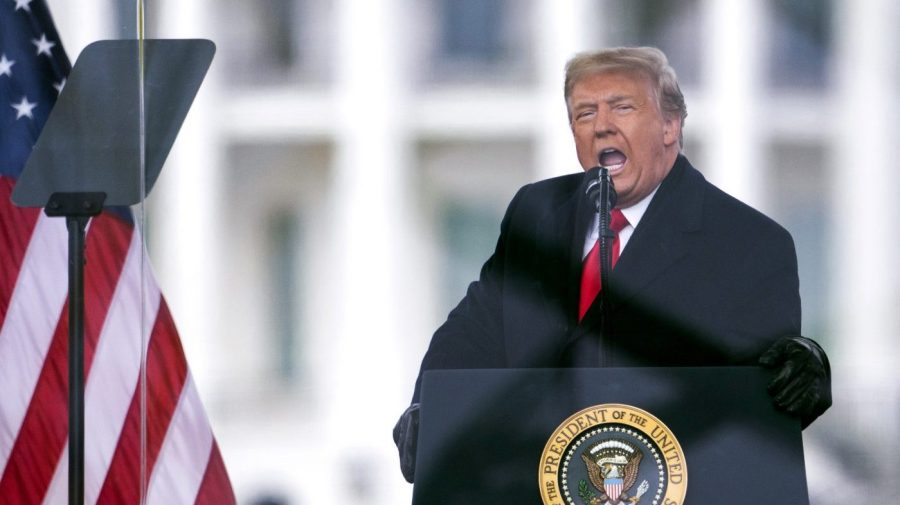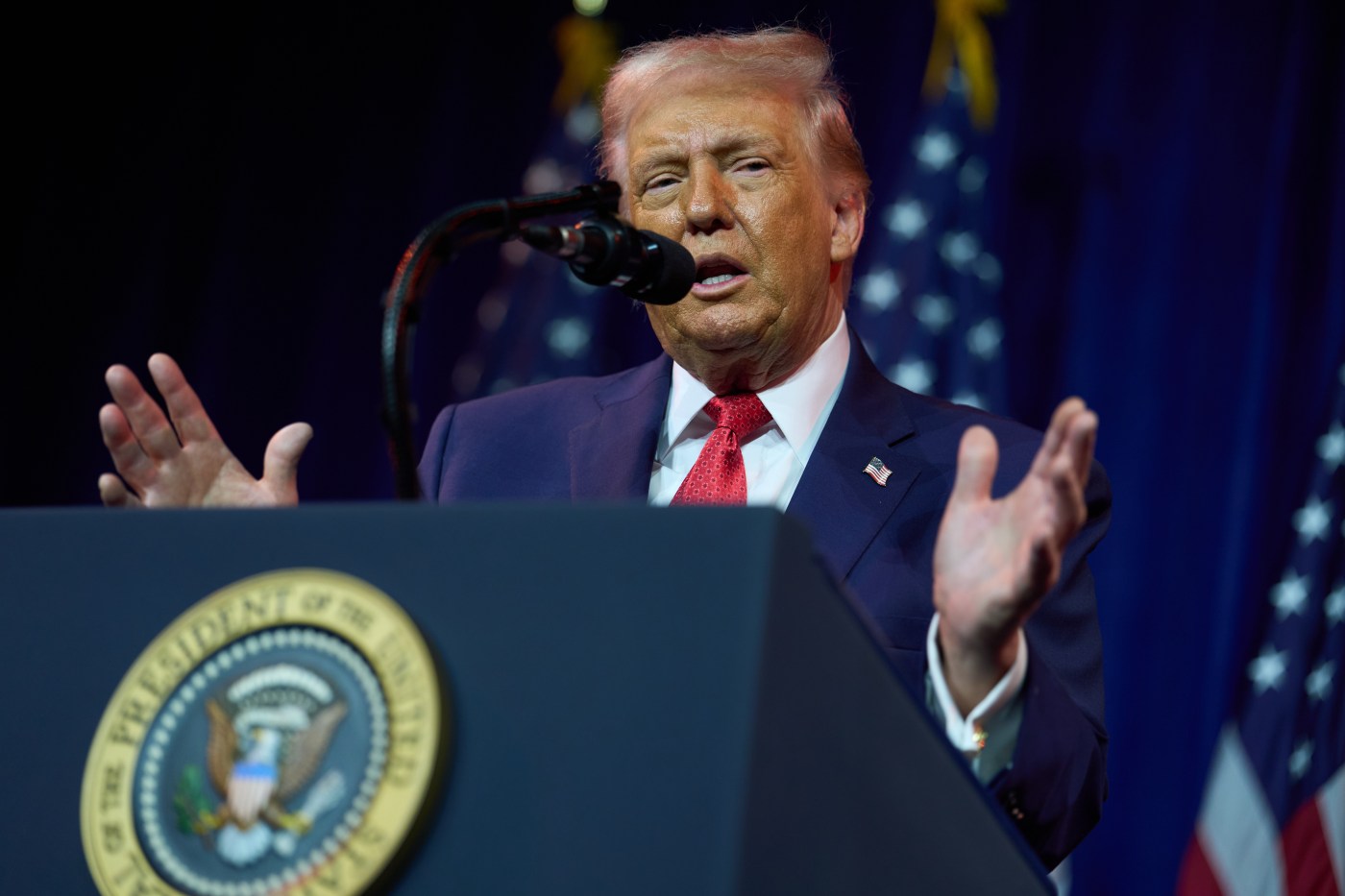
Former President Donald Trump has announced plans to freeze approximately $10 billion in aid to several states, including New York, California, Illinois, Colorado, and Minnesota. This move primarily targets the Temporary Assistance for Needy Families (TANF) food assistance program, which supports millions of families. The rationale behind this sweeping action stems from allegations of significant fraud within state welfare systems, particularly in Minnesota.
The situation gained traction after reports surfaced detailing expansive fraudulent activities in Minnesota’s welfare program, where entities allegedly billed for billions of dollars in services that were never delivered. This issue has become a focal point for many right-wing influencers and supporters of Trump. While the fraud allegations warrant investigation, they have also sparked concerns that this policy may disproportionately affect Democratic-led states, raising questions about the motivations behind the proposed cuts.
Trump’s assertions about fraud in Minnesota have led to a broader narrative that seeks to justify the cuts. The implications of targeting states led by Democratic governors have not gone unnoticed, especially given that the majority of suspects in the Minnesota fraud case are Somali-Americans. Critics argue that this focus aligns with Trump’s past rhetoric regarding immigration and foreign nations. While the fraud in Minnesota is serious, it is essential to recognize that similar problems have emerged nationwide, affecting individuals across the political spectrum.
Many audits and investigations into the spending ramp-up during the COVID-19 pandemic indicate that fraud may have occurred on a much larger scale, potentially costing taxpayers around $1 trillion. This situation underscores the challenges the government faced as it rushed to deliver financial assistance during an unprecedented public health crisis. The speed required to deploy funds led to lapses in oversight, which should be thoroughly examined.
Yet, Trump’s decision to cut funding appears to leverage the fraud allegations to serve a political agenda rather than a genuine concern for fiscal responsibility. The consequences of such cuts would be profound. For families relying on TANF assistance, losing access to essential services could mean difficult choices between food and rent, and potentially worse educational outcomes for children.
As of yet, there has been no formal notification regarding the funding freeze to the affected states. Trump took to social media to criticize the governors of these states, including Gavin Newsom of California, JB Pritzker of Illinois, and Kathy Hochul of New York, suggesting they have poorly managed their states.
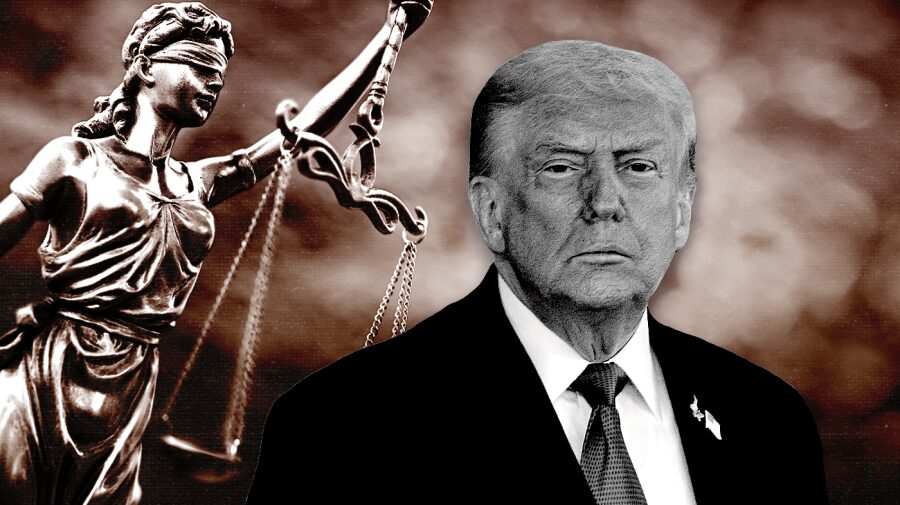
At the heart of the matter lies the question of Trump’s legal authority to unilaterally suspend disbursements of appropriated funds. Historically, his decisions have faced legal challenges, often resulting in court rulings that have overturned his actions. Legal experts anticipate that this proposed freeze will similarly be contested in federal court, where judges may demand accountability from federal officials involved in this decision.
As the situation unfolds, the focus remains on the potential impacts on families across these states. With millions at stake, the outcome of this funding freeze could severely disrupt the lives of those already in vulnerable positions. The need for a thorough investigation into welfare fraud remains critical, but it should not come at the expense of essential support for families in need.