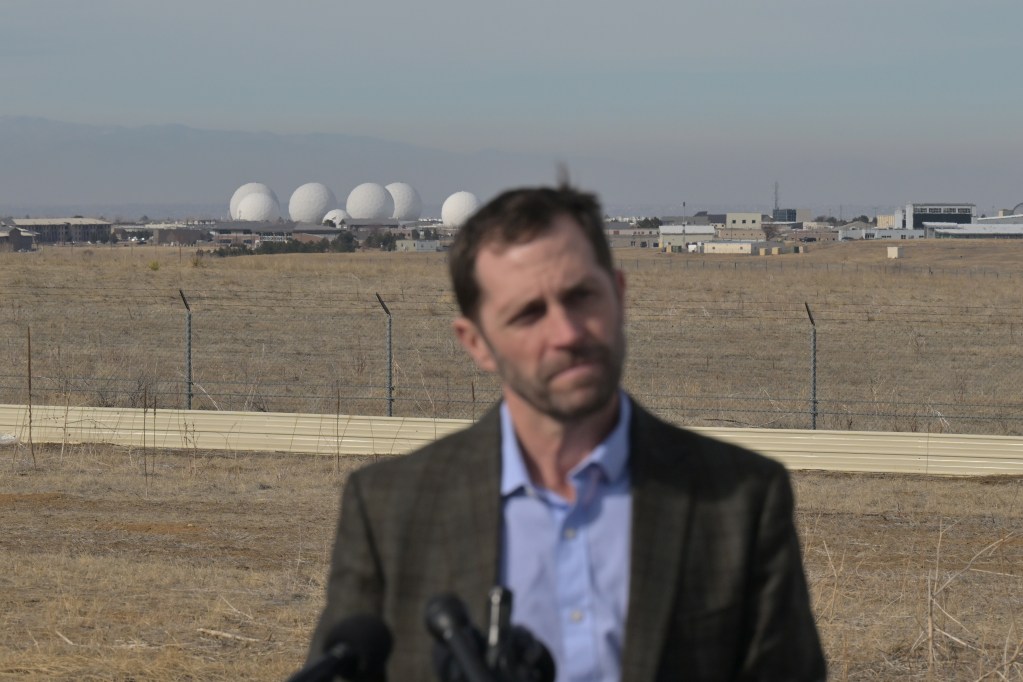
President Donald Trump has sparked controversy with his recent social media post threatening Colorado Representative Jason Crow and other lawmakers with arrest, trial, and execution. In the post, Trump accused Crow and others of engaging in “SEDITIOUS BEHAVIOR, punishable by DEATH.” This remark has raised significant concern about Trump’s fitness for office and his adherence to the principles of American democracy.
Crow, a former member of the U.S. armed services, had participated in a video alongside six other Congress members, highlighting the importance of military personnel’s duty to refuse illegal orders. They stated, “This administration is pitting our uniformed military and intelligence community professionals against American citizens.” The lawmakers emphasized that soldiers must prioritize the U.S. Constitution over unlawful commands.
The context for this video stems from escalating tensions surrounding military operations and their legality. One of the more contentious issues includes military actions against suspected drug smugglers in international waters, which raises questions about the legality of such operations. The lawmakers’ message serves as a reminder that military personnel can and should question orders that violate legal or constitutional mandates.
Crow’s video was a response to the troubling notion that military leaders might be asked to execute orders that could infringe upon the rights of American citizens. The implications of such actions are profound. For instance, if the military were ordered to act against individuals at the Canadian border under dubious legal circumstances, it would challenge the very foundations of law enforcement and military conduct in the United States.
In a broader context, the historical precedent indicates that American presidents have often operated with a sense of immunity from scrutiny regarding military actions abroad. This was notably challenged when the U.S. Supreme Court ruled on the legality of actions taken during the George W. Bush administration at Guantanamo Bay. The court’s decisions underscore the need for accountability, even in military operations.
In reaction to Crow’s video, House Speaker Mike Johnson criticized the message as “dangerous” and “unprecedented in American history.” His remarks reflect the deepening divide in political responses to military engagement and the responsibilities of service members.
Trump’s reaction to the congressional video has drawn sharp criticism, as many perceive his threats as an alarming escalation in rhetoric. The notion that a president would suggest execution as a response to dissenting voices raises significant concerns about the state of political discourse in the United States.
The ongoing debate surrounding military authority and presidential directives is crucial. Crow and his fellow lawmakers have articulated a pressing question: who will protect the American public from an unlawful executive? The inherent responsibility of military leaders not only to follow orders but to uphold their constitutional oath remains a critical point of contention.
As this situation unfolds, it is clear that the implications of Trump’s comments and the responses from lawmakers will continue to resonate within the political landscape. The tension between authority, legality, and moral responsibility is at the forefront, raising essential questions about the future of American democracy and governance.