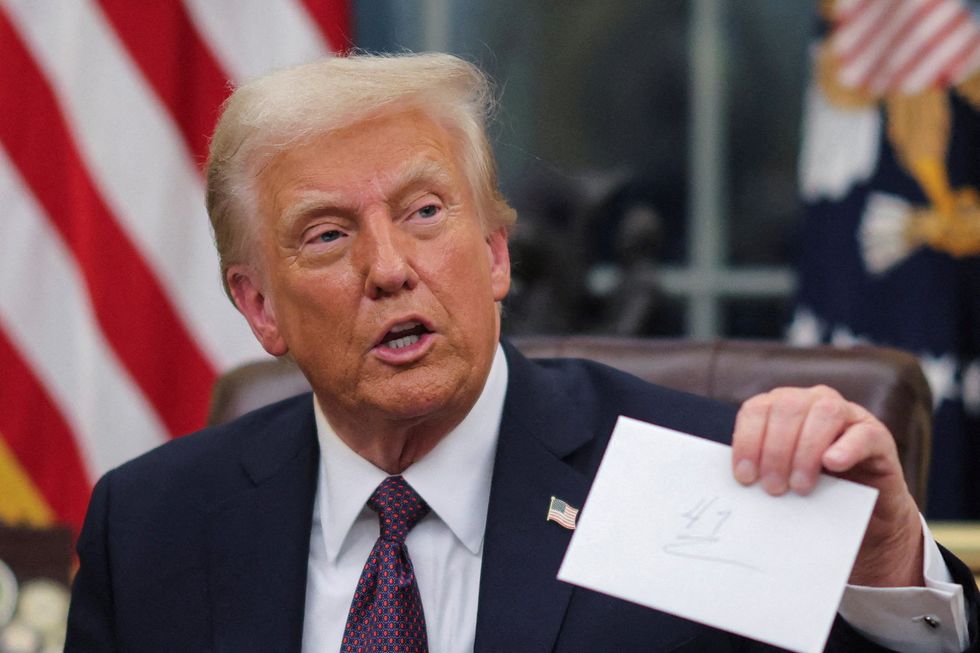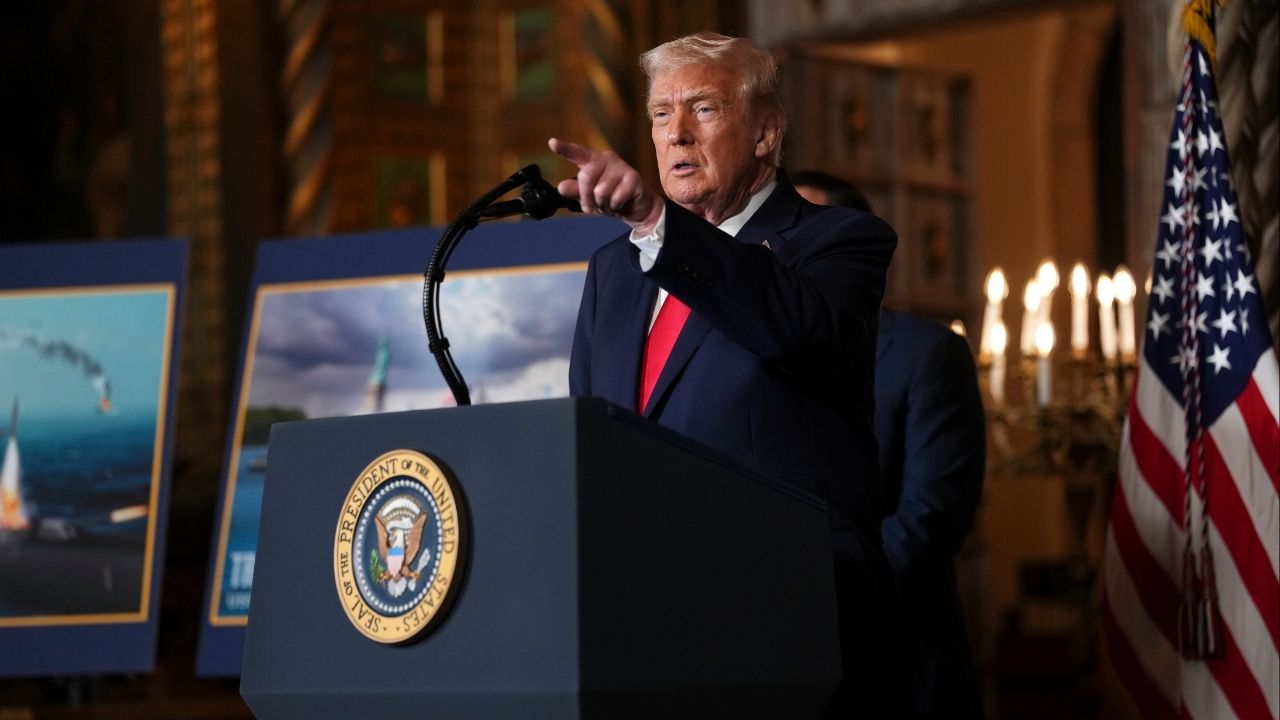
Donald Trump has announced plans to impose tariffs on European NATO allies in response to his ongoing attempts to acquire Greenland, the Arctic territory currently administered by Denmark. Starting in February 2026, Denmark, Norway, Sweden, France, Germany, the United Kingdom, the Netherlands, and Finland will face a 10 percent tariff on all goods exported to the United States. This tariff is set to increase to 25 percent by June 1, 2026.
In a post on Truth Social, Trump characterized the situation as a “dangerous game” and claimed that acquiring Greenland is vital for U.S. national security and the planet’s survival, citing concerns over potential threats from Russia and China. He emphasized that the U.S. military presence in Greenland is essential, referencing the nation’s “Golden Dome” air and missile defense system.
Critics have swiftly challenged Trump’s assertions, pointing out that the U.S. already maintains a significant military presence around the globe, with at least 128 military bases in over 51 countries. Furthermore, there are no confirmed reports of Russian or Chinese military activities in Greenland.
The announcement has spurred significant backlash in Europe, prompting Denmark to request military support from its NATO allies. Protests have erupted in both Denmark and Greenland, with demonstrators in the capital, Nuuk, sending a clear message: “Greenland is not for sale.” An estimated 5,000 protesters participated in demonstrations in Nuuk, a notable turnout for a territory with a population of approximately 56,000.
Protesters in Copenhagen organized a rally titled “Hands off Greenland,” aiming to underscore respect for Greenland’s sovereignty. Adam Schwarz, one of the protest organizers, stated, “The aim is to send a clear and unified message of respect for Greenland’s democracy.”
Trump’s proposal has faced criticism even from within his party. Senate Minority Leader Mitch McConnell expressed concern that Trump’s rhetoric could undermine trust among U.S. allies. He described the situation as risking “incinerating the hard-won trust of loyal allies in exchange for no meaningful change in U.S. access to the Arctic.”
In a similar vein, Senator Thom Tillis warned that any attempt to take action against Greenland could prompt congressional intervention. He stated, “If there was any sort of action that looked like the goal was actually landing in Greenland and doing an illegal taking, there’d be sufficient numbers here to pass a war powers resolution.”
A bipartisan group of U.S. lawmakers visited Copenhagen recently to reassure Danish and Greenlandic officials of their commitment to maintaining stable relations. Senator Lisa Murkowski emphasized the importance of viewing Greenland as an ally rather than an asset.
In a notable response to Trump’s threats, Representative Don Bacon labeled the situation “utter buffoonery,” suggesting that pursuing such actions could jeopardize Trump’s presidency. He urged Republicans to remain firm against the president’s aggressive stance.
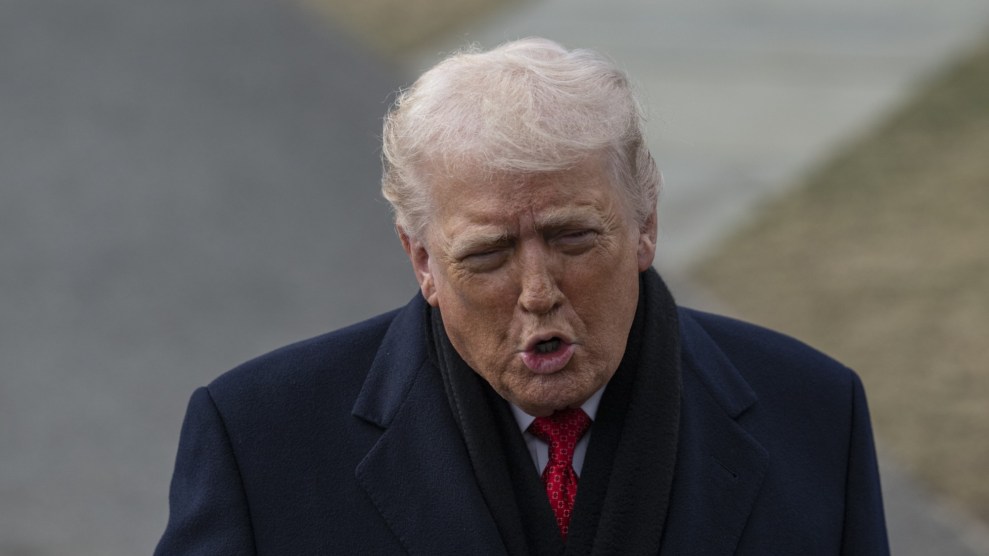
When pressed by reporters about his willingness to avoid military action against NATO partners, Trump deflected the question, stating, “I don’t talk about that.” This response has raised further concerns about the potential implications of his policies on international relations.
As the situation develops, the global community watches closely, particularly regarding the impact on NATO’s unity and the future of U.S. relations with its European allies.