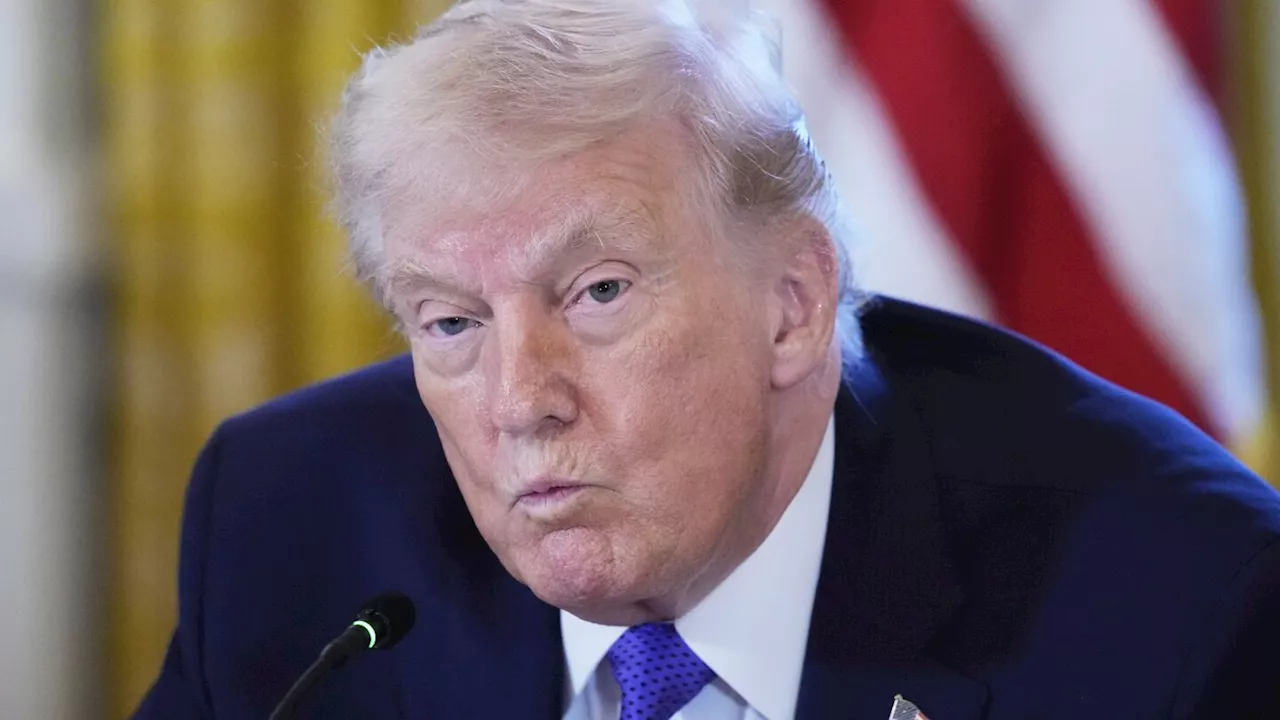
U.S. President Donald Trump has called on nations, including China and Britain, to send warships to safeguard shipping lanes in the Strait of Hormuz, a critical waterway for global oil transportation. This request follows escalating tensions in the region, prompting concerns that the safety of maritime routes could be jeopardized. Currently, approximately one-fifth of the world’s oil supply transits through this strait, and any disruption could have significant global repercussions.
Global Reactions to Trump’s Request
In response to Trump’s appeal, governments are exhibiting a cautious stance. While the U.S. seeks international collaboration for maritime security, specific commitments from allied nations remain unclear. The surge in global oil prices reflects the unease surrounding the situation, indicating the market’s sensitivity to potential disruptions in oil supply.
Abbas Araghchi, Iran’s foreign minister, stated that the strait is open to all except for the U.S. and its allies. He highlighted that some countries have approached Iran, seeking assistance in ensuring safe passage for their vessels. This statement suggests that Iran is positioning itself as a critical player in maritime security, despite ongoing tensions with the West.
Araghchi also dismissed the possibility of engaging in talks with the U.S. to explore avenues for resolving the current conflicts, indicating a firm stance from Tehran against American influence in the region.
Implications for Global Oil Markets
The situation in the Strait of Hormuz carries significant implications for global oil markets. Following Trump’s announcement, oil prices have experienced notable fluctuations, reflecting investor anxiety over potential disruptions. The region’s strategic importance underscores the necessity for international cooperation in maintaining secure shipping routes.
As the U.S. continues to advocate for a multinational naval presence in the strait, the lack of immediate commitments from other nations raises questions about the feasibility of such an initiative. The evolving geopolitical landscape will undoubtedly influence future actions as countries weigh their interests against the backdrop of rising tensions in the region.