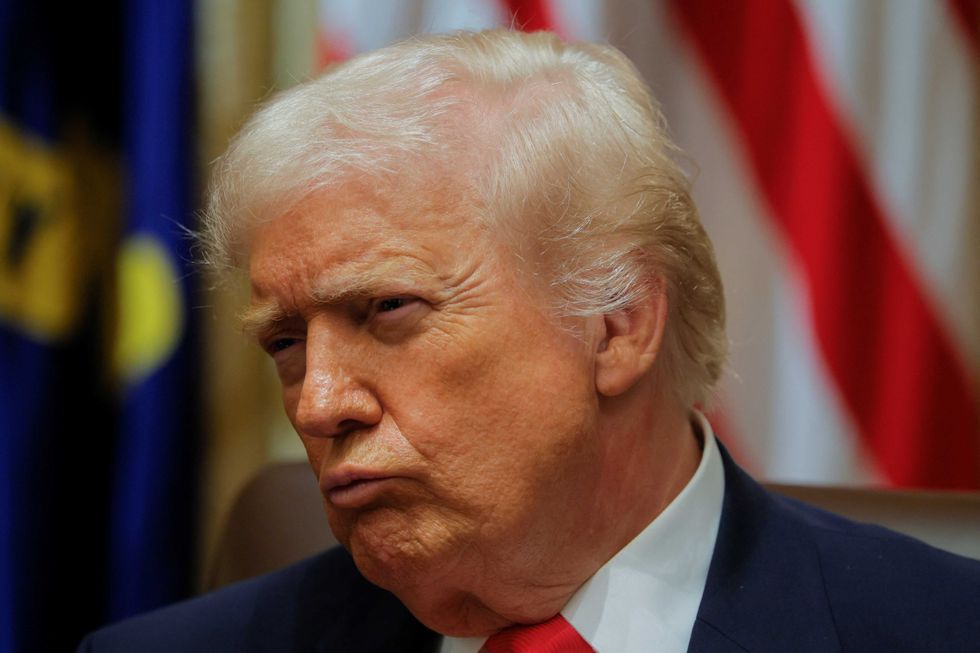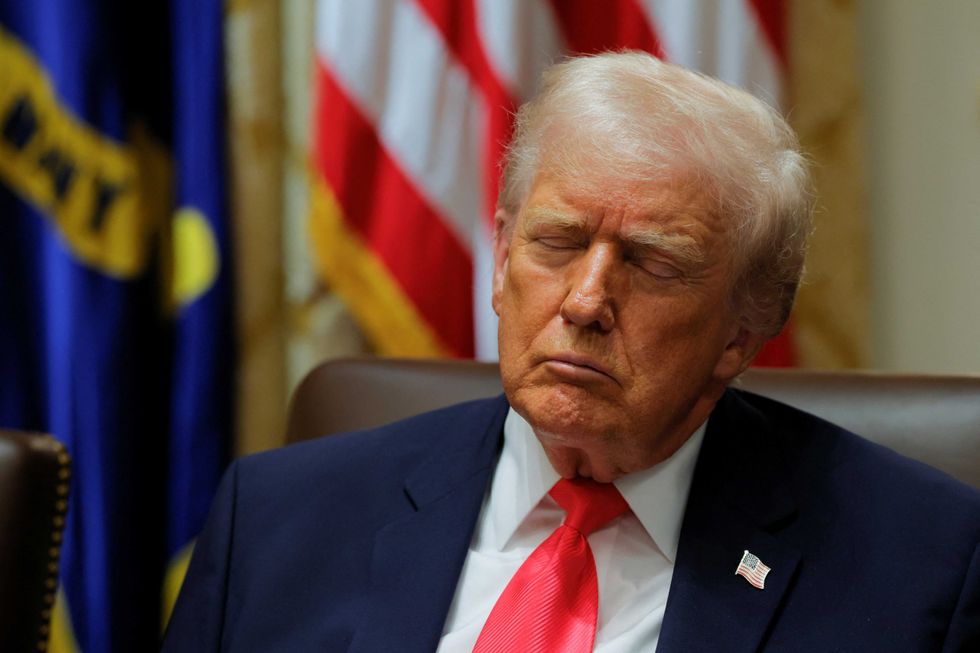
The political landscape in the United States is undergoing significant scrutiny as former President Donald Trump continues to influence public discourse. His leadership style, characterized by polarizing rhetoric and controversial actions, invites both fervent support and sharp criticism. As Trump prepares for a potential return to political office, experts are examining the psychological underpinnings of his appeal and the broader implications for American society.
According to psychologist John Gartner, Trump’s behavior reflects traits of a malignant narcissist, and signs of cognitive decline have become increasingly evident. Despite these concerns, a substantial number of voters continue to rally behind him. Gartner suggests that Trump’s ability to attack perceived enemies resonates with individuals who feel marginalized, providing them with a sense of empowerment. This dynamic raises questions about the nature of political support and the factors that drive individuals towards strongman figures.
The concept of creating enemies is not new; it has been a tactic employed by leaders throughout history. Trump’s political strategy often involves designating specific groups as adversaries, effectively rallying his base around a common target. This tactic shifts the focus from policy discussions to a more visceral form of engagement, where supporters feel justified in their animosities.
In a recent commentary, journalist Robert Koehler highlighted the troubling ramifications of this approach. He notes that Trump’s actions, such as his remarks regarding Venezuelan President Nicolás Maduro, reflect a continuation of aggressive foreign policy that many critics have labeled as imperialistic. The underlying question remains: what constitutes terrorism? Koehler pointed out that violence used to achieve political ends is a defining characteristic of terrorism, prompting reflection on the historical actions of the United States itself.
Research from the Brown University Costs of War Project provides disturbing statistics regarding the impact of U.S. military interventions since September 11, 2001. The project estimates that over 940,000 people have died as a direct result of post-9/11 conflicts in Iraq, Afghanistan, Syria, Yemen, and Pakistan, with civilians making up more than 412,000 of those casualties. The broader implications of these conflicts extend far beyond immediate violence, affecting global economies, healthcare systems, and infrastructure, resulting in an estimated total death toll of at least 4.5 million.
The stark reality is that Trump’s presidency has illuminated the darker corners of American politics. His often unfiltered approach brings uncomfortable truths into the public consciousness, challenging the narrative that has traditionally surrounded U.S. foreign policy. The intersection of Trump’s rhetoric and historical actions raises critical questions about accountability and the moral implications of power.
In light of these observations, it is essential for citizens to engage in reflective discourse about the direction of their political system. The evolution of society hinges on the ability to confront uncomfortable truths, and as Koehler argues, the potential for meaningful change begins with self-examination. The consequences of ignoring these realities could lead to further division and disillusionment within the electorate.
As the political landscape continues to shift, the legacy of Donald Trump remains a focal point for discussion and analysis. Observers and scholars alike will be closely monitoring how his influence shapes future elections and the broader implications for democratic governance in the United States and beyond.