The ongoing humanitarian crisis in Venezuela has drawn increasing attention from international leaders, particularly in the United States. With the Biden administration now in power, the fate of the Venezuelan people rests, in part, on U.S. diplomatic efforts and decisions. This complex situation demands not only a response to immediate humanitarian needs but also a long-term strategy that addresses the underlying political and economic challenges facing the nation.
Historically, U.S. involvement in foreign conflicts has led to significant repercussions, as highlighted by the words of the late Gen. Colin Powell. In a conversation with then-President George W. Bush before the Iraq War, Powell remarked, “You will own all their hopes, aspirations and problems. You’ll own it all.” This observation serves as a poignant reminder that global leadership entails bearing the weight of those affected by such decisions.
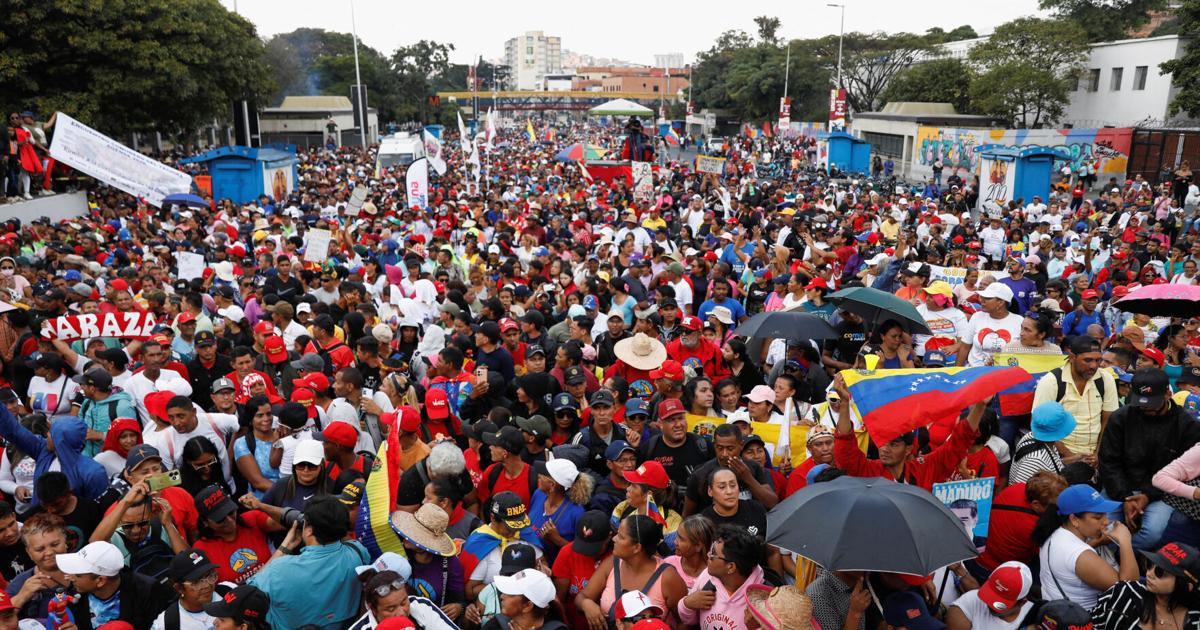
The current state of Venezuela is dire. According to the United Nations, over 7 million people have fled the country since 2014, seeking refuge from a collapsed economy and oppressive governance. The Venezuelan people face chronic shortages of food, medicine, and basic services, creating a humanitarian crisis that demands urgent international attention.
As the Biden administration formulates its approach, it must consider the lessons learned from previous interventions. The political landscape in Venezuela remains fraught with tension, particularly with the ongoing challenges posed by the government of Nicolás Maduro. The U.S. has imposed sanctions aimed at pressuring Maduro to step down, but these measures have often resulted in unintended consequences for the civilian population.
Shifting Strategies and Humanitarian Aid
The administration has begun signaling a willingness to reassess its strategy towards Venezuela. U.S. Secretary of State Antony Blinken has emphasized the importance of diplomatic engagement, stating, “Our goal is to support the Venezuelan people in their quest for democracy.” This shift suggests a potential move away from solely punitive measures towards a more integrated approach that combines support for humanitarian assistance with efforts to promote political change.
One of the key challenges will be navigating the complex relationships within Latin America. Neighboring countries, such as Colombia and Brazil, have borne the brunt of the refugee crisis, and their cooperation will be essential in crafting a sustainable response. The U.S. must work collaboratively with regional partners to provide humanitarian aid while also addressing the root causes of instability in Venezuela.
The impact of U.S. policies on Venezuela’s future cannot be understated. As the nation faces its most significant challenges, the responsibility of addressing these issues increasingly falls on the international community, particularly the United States. The decisions made in Washington will resonate far beyond its borders, affecting millions of lives in Venezuela and beyond.
In conclusion, the situation in Venezuela is a poignant reminder of the complexities inherent in international relations. The U.S. must strike a balance between supporting humanitarian efforts and fostering a political environment conducive to meaningful change. As the Biden administration moves forward, it must remain aware of the profound implications its actions will have on the Venezuelan people and the broader region. The fate of this nation is entwined with the choices made by global leaders, underscoring the importance of thoughtful and compassionate engagement.