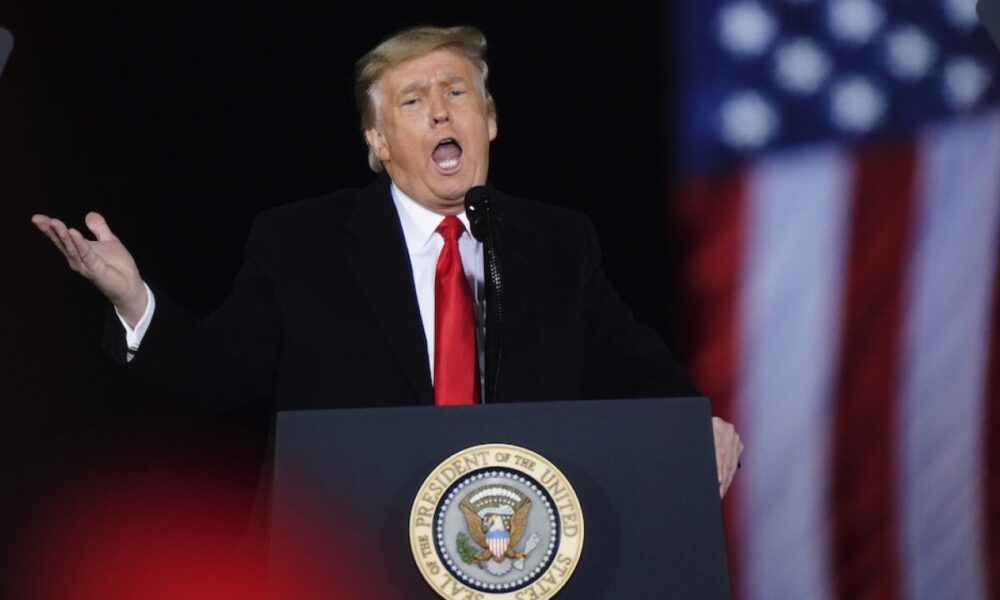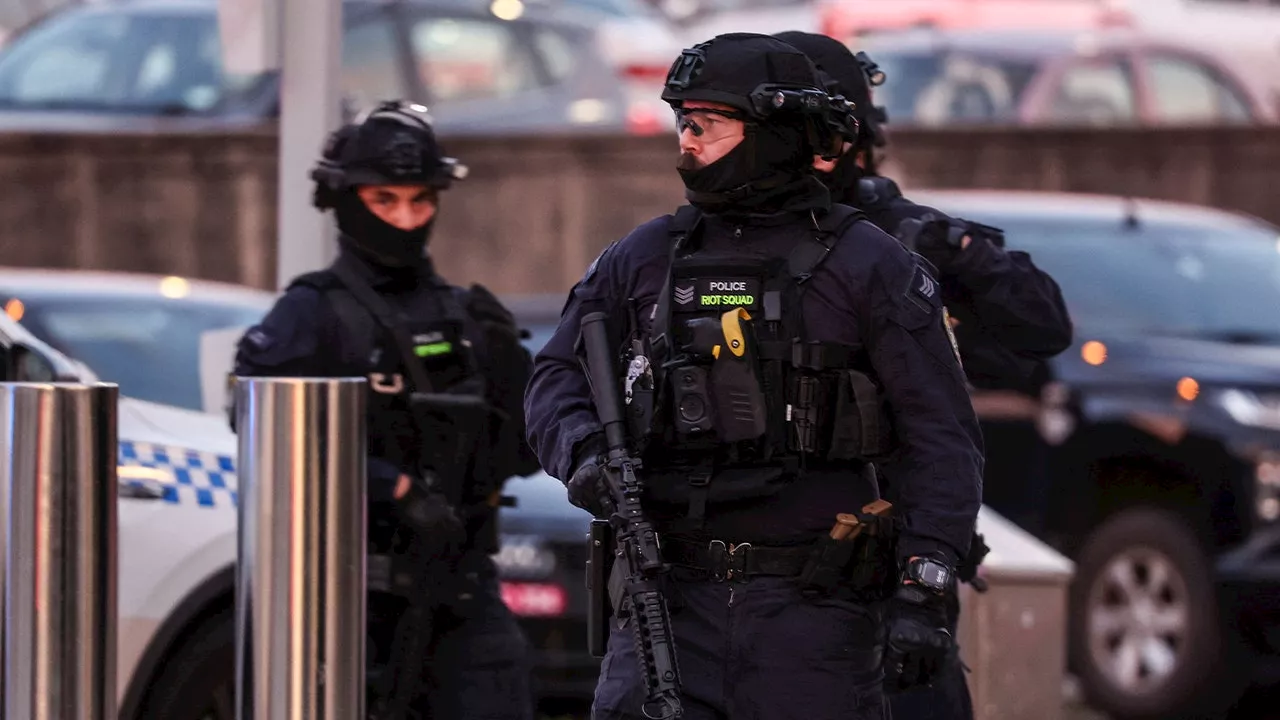
The White House has stated that its airstrike on a suspected drug boat on September 2, 2023, was executed in self-defense. This double-tap strike, which involved targeting survivors of the initial attack, has drawn significant criticism. Opponents of the Trump administration have labeled the decision to conduct a second strike as a potential war crime.
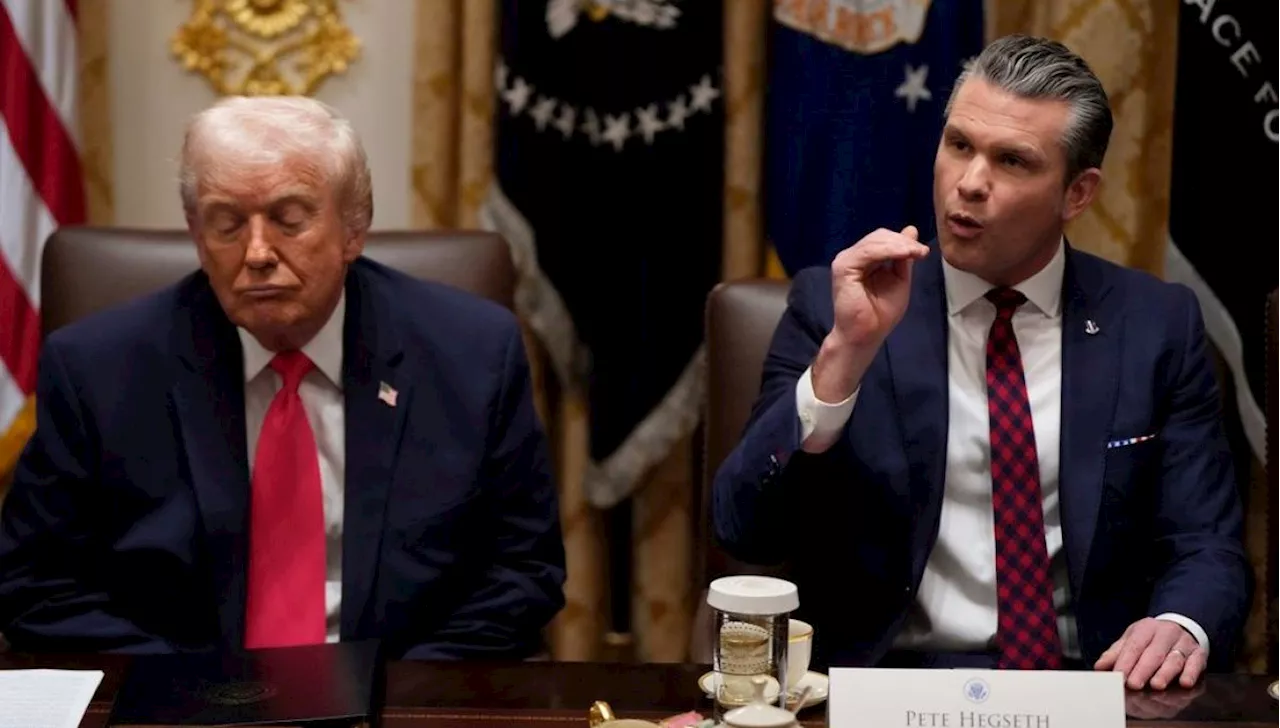
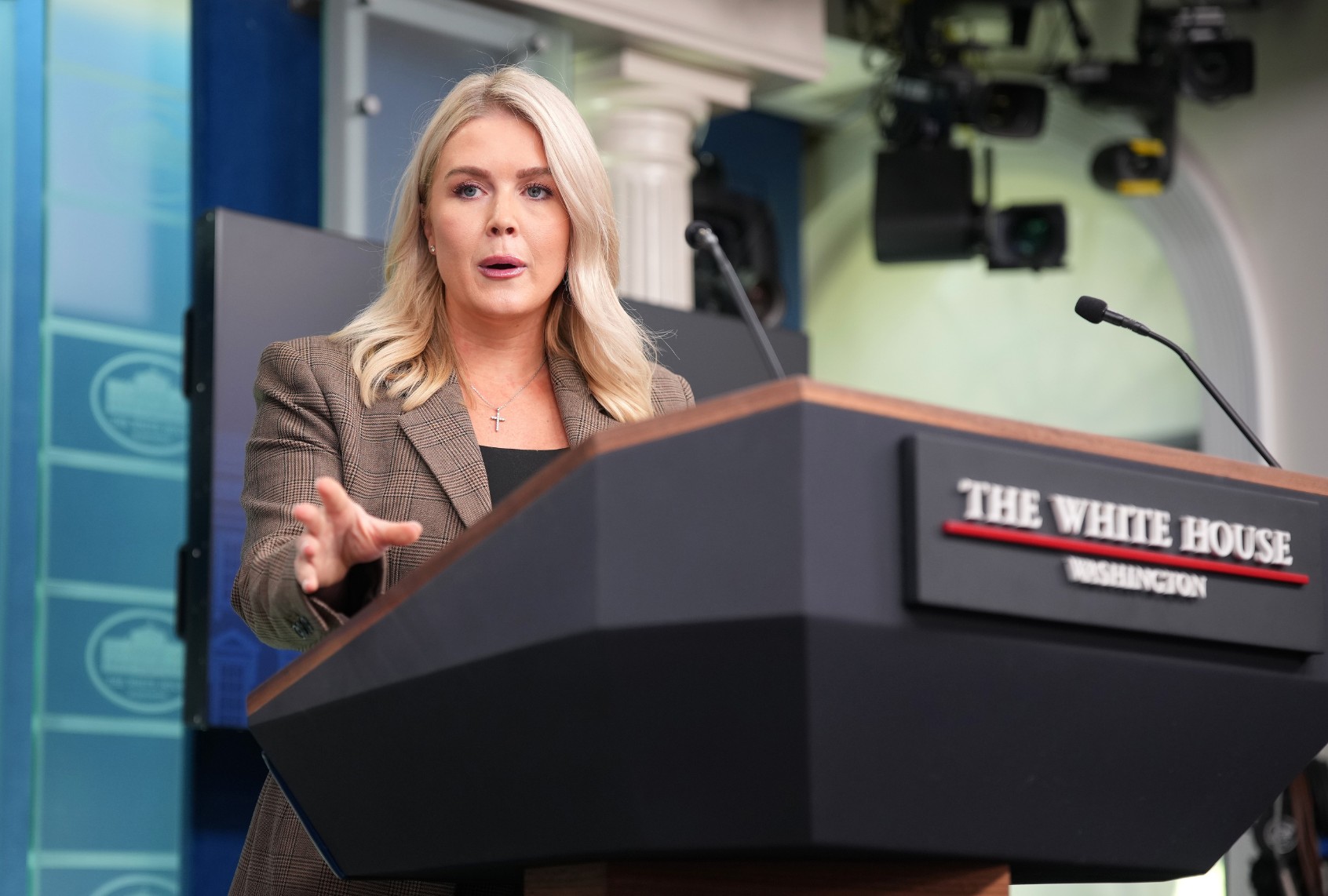
During a press briefing, White House Press Secretary Karoline Leavitt reported that the order for the second strike was issued by Admiral Frank Bradley, asserting that his actions were “well within his authority and the law.” Leavitt emphasized that both President Donald Trump and Secretary of Defense Pete Hegseth have made it clear that groups designated as narco-terrorists by the presidency are subject to lethal targeting in accordance with the laws of war.
The airstrike’s legality has been contested, particularly following a Washington Post report indicating that Hegseth allegedly directed his subordinates to “kill them all” prior to the operation. Hegseth dismissed these claims as “fake news,” maintaining that the operation was fully compliant with both U.S. and international laws.
Leavitt defended the military’s actions, stating, “As usual, the fake news is delivering more fabricated, inflammatory, and derogatory reporting to discredit our incredible warriors fighting to protect the homeland.” She asserted that the operations conducted in the Caribbean adhere to the law of armed conflict, supported by legal counsel throughout the chain of command.
International Reactions and Legal Implications
The airstrike has not only sparked domestic controversy but has also drawn international scrutiny. The UN Human Rights Chief condemned the strikes as “unacceptable,” emphasizing that such actions lack justification under international humanitarian law. Critics argue that targeting survivors raises serious ethical and legal questions about proportionality and the protection of non-combatants during military operations.
In the wake of the airstrike, Senator Kelly voiced concerns about the potential ramifications, stating that the double-tap approach “seems to” align with characteristics of a war crime. The ongoing debate highlights the complexities of military engagement in narcotics-related operations and the legal frameworks that govern such actions.
As the situation evolves, the implications of this airstrike on U.S. foreign policy and military operations remain uncertain. The administration’s defense may set a precedent for future operations against suspected drug trafficking activities, raising essential discussions about the balance between national security and adherence to international law. The matter continues to be a focal point for both domestic and international observers as they assess the legality and morality of the actions taken by the U.S. military.