A 58-year-old woman diagnosed with cirrhosis is navigating the complexities of family dynamics as she seeks support from her heavy-drinking in-laws. Having given up alcohol three years ago due to her health condition, she finds herself struggling with feelings of isolation during social gatherings where drinking is prevalent. This situation has prompted her to reconsider her relationships, particularly during holiday events.
Striving for Understanding and Support
The woman, referred to as “Closed Bar,” expressed a desire to host a holiday gathering without alcohol to help her family understand her experience. She recalled a supportive family environment during her father’s battle with alcoholism, where the family refrained from drinking to aid his recovery. She believes that abstaining from alcohol during family events would not only foster solidarity but also demonstrate respect for her health challenges.
Despite her good progress with abstaining from alcohol, she felt disheartened after proposing a no-alcohol Easter celebration. The response from her in-laws was met with resistance, leading her to feel both sad and angry. “I kept saying I would appreciate some support from them,” she shared, highlighting her need for empathy during difficult times.
In a significant shift, the woman has decided to distance herself from family gatherings this year as a protective measure. She is grappling with cultural differences, as her in-laws hail from Poland, where drinking culture may differ from her experiences in the United States. Her husband, the only American-born member in the family, adds another layer of complexity to her situation.
Finding the Right Support
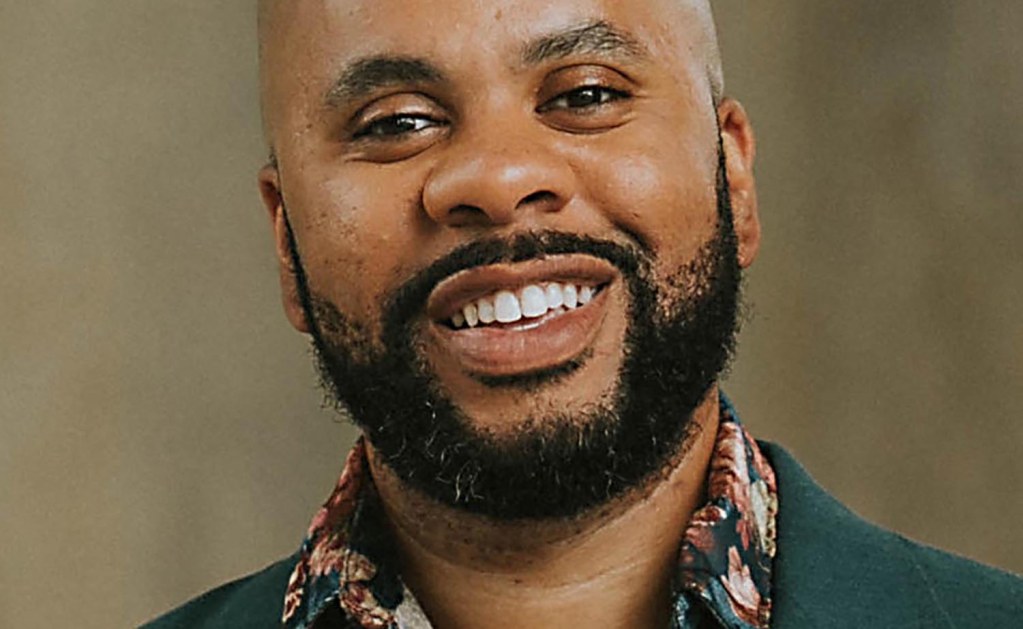
In response to her dilemma, Eric Thomas, a columnist, suggests that while distancing herself from triggering situations is a healthy choice, it may not address the underlying issues she faces. He emphasizes that her feelings may stem from her past experiences with alcohol in her family, particularly related to her father’s struggles.
“One doesn’t have to be an alcoholic to have a complicated relationship with alcohol or drinking culture,” Thomas noted. He encouraged her to explore her feelings further, potentially through resources like Al-Anon, which offers support for those affected by someone else’s drinking.
As the woman reflects on her decision to withdraw from family events, she is encouraged to consider the broader implications of her relationship with alcohol and how it intertwines with her family dynamics. Her journey highlights the importance of seeking understanding and support from loved ones during challenging times.
In a separate inquiry, another reader, “Constant Planner,” expressed frustration over the imbalance in her friendships, as she feels solely responsible for organizing social events. Thomas reassured her that many individuals share this experience and advised her to communicate her feelings to her friends. By setting clear expectations, she may find a more equitable distribution of social planning responsibilities.
As individuals navigate their relationships with alcohol and social obligations, open communication and mutual support remain vital for maintaining healthy connections. The experiences of “Closed Bar” and “Constant Planner” serve as reminders of the complexities of family dynamics and friendships, especially when intertwined with personal challenges.