AI-generated wildlife videos have surged in popularity on social media, prompting concerns from scientists about their impact on public perception of nature. Clips featuring animals such as raccoons and crocodiles engaging in playful antics, including bunnies on trampolines, may appear harmless but could significantly distort how people understand wildlife and their habitats.
Research conducted by the University of Córdoba in Spain highlights the risks associated with these digital fabrications. The study reveals how realistic synthetic content can blur the line between genuine wildlife encounters and fictional representations, ultimately leading to a misguided understanding of species behavior and ecological relationships.
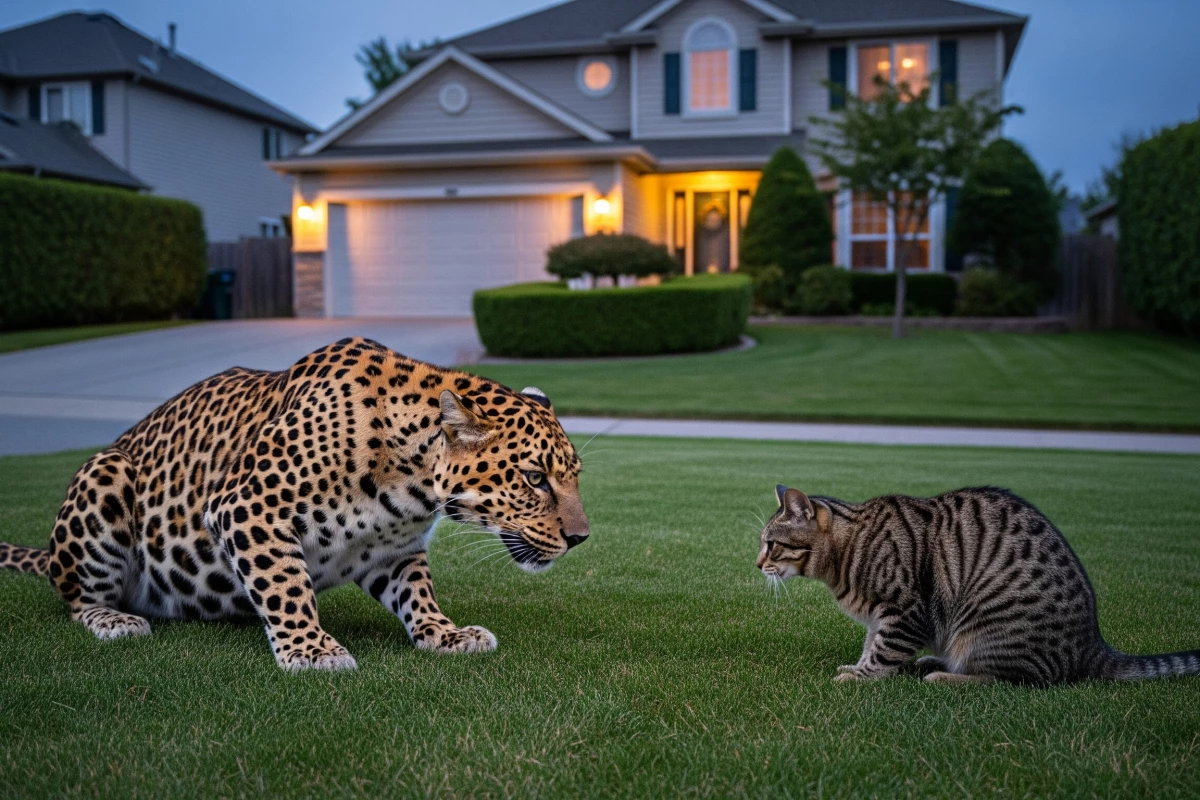
In one notable instance, an AI-generated video showing a leopard entering a backyard and being chased away by a house cat garnered over one million likes and more than 15,000 shares on social media. According to José Guerrero-Casado, the lead author of the study, such viral content exemplifies how quickly these fabrications can propagate, complicating public understanding of animal behaviors. “They reflect characteristics, behaviors, habitats, or relationships between species that are not real,” Guerrero-Casado stated.
The researchers emphasize that the spread of these fabricated clips poses a significant challenge for conservation. When AI-generated videos depict rare species as common or portray dangerous animals as friendly, the public may fail to grasp the true nature of these creatures and the urgency of their conservation. For instance, if children see crocodiles and raccoons interacting casually, they may come to view such pairings as normal, leading to a distorted understanding of wildlife behavior.
The study raises important questions about the implications of these digital representations. If the next generation grows up influenced by misleading content, their baseline for understanding wildlife could shift dramatically. This disconnect could make it more challenging for conservationists to convey the realities of animal populations and the ecosystems that support them.
The researchers argue that the consequences of these digital distortions extend beyond mere misperception. They affect how society prioritizes conservation efforts, potentially leading to misjudgments about animal populations, behaviors, and habitat needs. As Rocío Serrano, co-author of the study, noted, “These videos create false connections with nature, as vulnerable species appear more abundant in these videos, and that is negative for conservation.”
To address these issues, the researchers recommend that social media platforms implement clearer labeling of AI-generated content and improve oversight. Additionally, enhancing public education about the nature of these videos could help mitigate their impact. Understanding how these clips are created and why they proliferate can empower viewers to differentiate between real wildlife encounters and synthetic representations.
The implications of this research are profound, particularly in a world increasingly influenced by digital media. As AI-generated wildlife content continues to dominate social feeds, it becomes crucial to reinforce the importance of authentic wildlife experiences and the realities of conservation. The study, published in Conservation Biology, serves as a reminder that while these videos may entertain, they also risk obscuring the urgent need to protect the fragile ecosystems that sustain our natural world.
In conclusion, fostering a deeper respect and understanding for wildlife begins with recognizing the difference between what is genuine and what is fabricated. As the digital landscape evolves, so too must our approach to wildlife education and conservation, ensuring that the realities of nature remain clear and compelling.