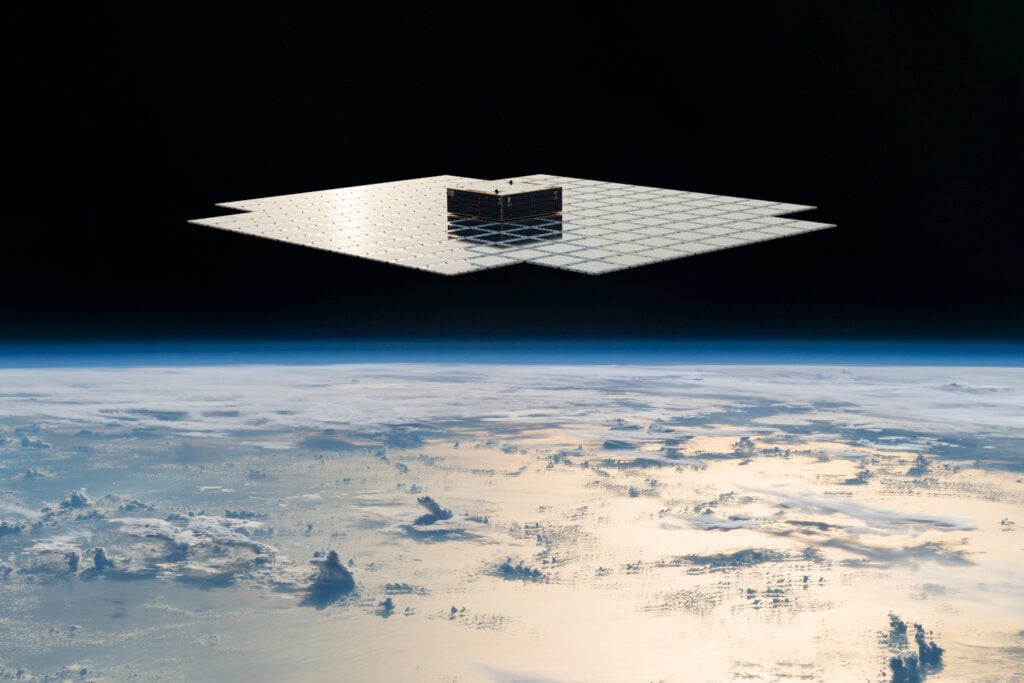
Texas-based startup AST SpaceMobile successfully launched its largest satellite, BlueBird 6, on December 23, 2023, at 22:25 ET. The satellite, which took off aboard India’s LVM3 rocket from the Satish Dhawan Space Center, is a significant milestone in the company’s mission to establish a space-based cellular broadband network accessible directly by cell phones.
BlueBird 6 is a remarkable advancement, being approximately three times larger than its predecessors and currently the largest commercial satellite in Earth’s orbit. This launch marks the beginning of AST SpaceMobile’s next-generation constellation aimed at competing with SpaceX’s Starlink in providing connectivity from space.
Satellite Specifications and Ambitions
AST SpaceMobile initially launched its first satellite, BlueWalker 3, in September 2022, which paved the way for testing cellular tower capabilities in space. A year later, the company managed to facilitate the first 5G phone call from space using a regular Samsung Galaxy S22. Following this, five additional satellites named BlueBird were launched, with plans to send a total of 243 more into orbit.
Upon deployment, BlueWalker 3 demonstrated its capabilities by expanding its array to about 693 square feet (approximately 64 square meters), significantly increasing its brightness. In contrast, BlueBird 6 boasts an array that will extend to an impressive 2,400 square feet (223 square meters) once fully deployed, solidifying its position as the largest satellite in orbit.
AST SpaceMobile aims to launch between 45 and 60 more next-generation satellites by the end of 2026. These satellites are designed to support up to 10 gigahertz of bandwidth and deliver speeds of 120 megabits per second per cellphone. This technology promises to provide 5G data services across the United States and other select markets.
Competitive Landscape and Industry Challenges
Despite AST SpaceMobile’s ambitious plans, SpaceX currently dominates the satellite landscape with over 9,000 satellites in orbit, accounting for approximately 60% of all satellites. However, AST SpaceMobile’s BlueBirds feature larger antennas and offer direct-to-cell service without the need for additional hardware, providing them with a unique edge.
The rivalry between the two companies has intensified, particularly after a letter from SpaceX to the Federal Communications Commission raised concerns about AST SpaceMobile’s impact on the sustainability of low Earth orbit. In response, AST has accused SpaceX of attempts to “intimidate and bully” its competitors, following allegations that SpaceX had previously spread misinformation about AST’s operations.
As both companies continue to deploy their satellites, they contribute to the increasing congestion of Earth’s orbit, which has raised concerns among astronomers and skywatchers regarding the visibility of celestial objects.
The launch of BlueBird 6 ushers in a new era for AST SpaceMobile as it strives to revolutionize global communications through its innovative satellite technology. With ongoing developments in the competitive field of space-based connectivity, the coming years will be crucial for both AST SpaceMobile and SpaceX as they navigate the challenges and opportunities that lie ahead.