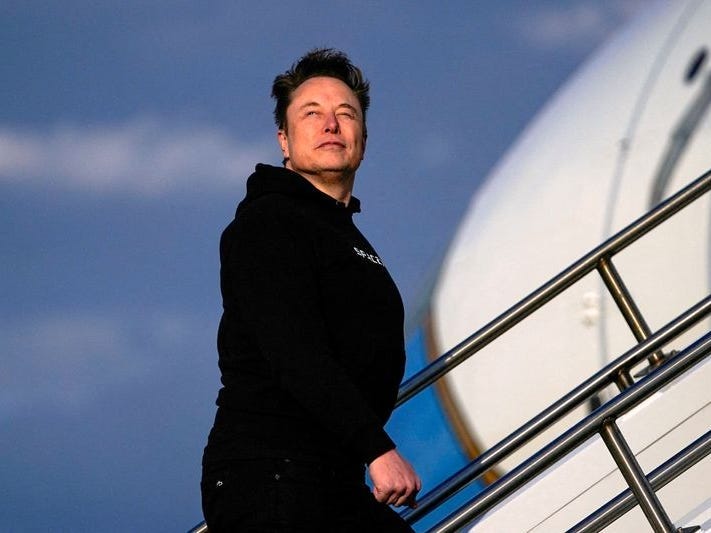
Elon Musk has recently revealed that he underwent an MRI scan and shared the results with Grok, his artificial intelligence chatbot developed by xAI. During a discussion with podcaster Peter Diamandis, Musk stated that both his doctors and Grok found no issues with the MRI, underscoring a growing trend of individuals turning to AI for second opinions on their health.
Musk’s comments came during an episode of “Moonshots,” posted on February 27, 2024. He mentioned, “I did an MRI recently and submitted it to Grok. None of the doctors nor Grok found anything.” While the reason behind the MRI remains undisclosed, Musk’s mention highlights an ongoing discourse about the intersection of artificial intelligence and healthcare.
Silicon Valley’s interest in longevity and health optimization has surged, with tech leaders like Sam Altman and Peter Thiel investing significant resources into research aimed at extending human lifespan. In a 2024 article, Dario Amodei, CEO of Anthropic, suggested that AI could potentially double life expectancy by 2030. Musk’s endorsement of Grok reflects his belief in the potential of AI to assist in medical diagnostics.
Earlier this month, Musk encouraged individuals to leverage Grok for their health inquiries. He cited an example of a Norwegian man who claimed Grok had saved his life. According to Musk, the chatbot prompted the man to seek a CT scan, which revealed that doctors had overlooked a critical condition involving his appendix. “Try it!” Musk urged on X, echoing sentiments he shared during a February 2025 appearance on the “Joe Rogan Experience,” where he affirmed that AI could significantly enhance medical diagnostic capabilities.
Longevity and the Ethics of Immortality
While Musk advocates for health advancements, he also expressed caution regarding the concept of immortality. He stated that achieving true immortality or even prolonged life could be “one of the worst curses you could possibly give anyone.” Nevertheless, he remains optimistic about solving the challenges of aging, asserting, “I’ve long thought that longevity or semi-mortality is an extremely solvable problem.”
Diamandis, co-founder of Fountain Life, a longevity-focused company, proposed collaboration with Musk on health innovations. Fountain Life provides AI-guided diagnostics, which assess various health biomarkers. The company’s mission, as stated by co-founder William Kapp, is to ensure that people do not die from preventable conditions. The diagnostics process involves a comprehensive data upload, including genomic information and medical imaging.
This conversation serves as a reminder of the personal nature of health decisions and the potential benefits of integrating AI into medical practices. Musk’s anecdote about his MRI offers a glimpse into the future of health monitoring, where individuals may increasingly rely on technology to supplement traditional medical advice.
The discussion also brings to light the importance of proactive health management. Musk’s experience serves as an example for others, encouraging a more engaged approach to personal health. As technology evolves, the relationship between AI and healthcare will likely continue to develop, raising important ethical considerations about the role of machines in personal well-being.
In a world where health is paramount, Musk’s reliance on AI highlights a shifting landscape, one where technology could play a vital role in enhancing human life.