Every January, IEEE Spectrum publishes its technology forecast, featuring groundbreaking projects poised to address significant global challenges. As the editors prepare for the upcoming issue, they delve into innovative solutions that may not capture mainstream media attention. This year, they highlight advancements that could reshape entire industries and benefit humanity, aligning with the publication’s mission.
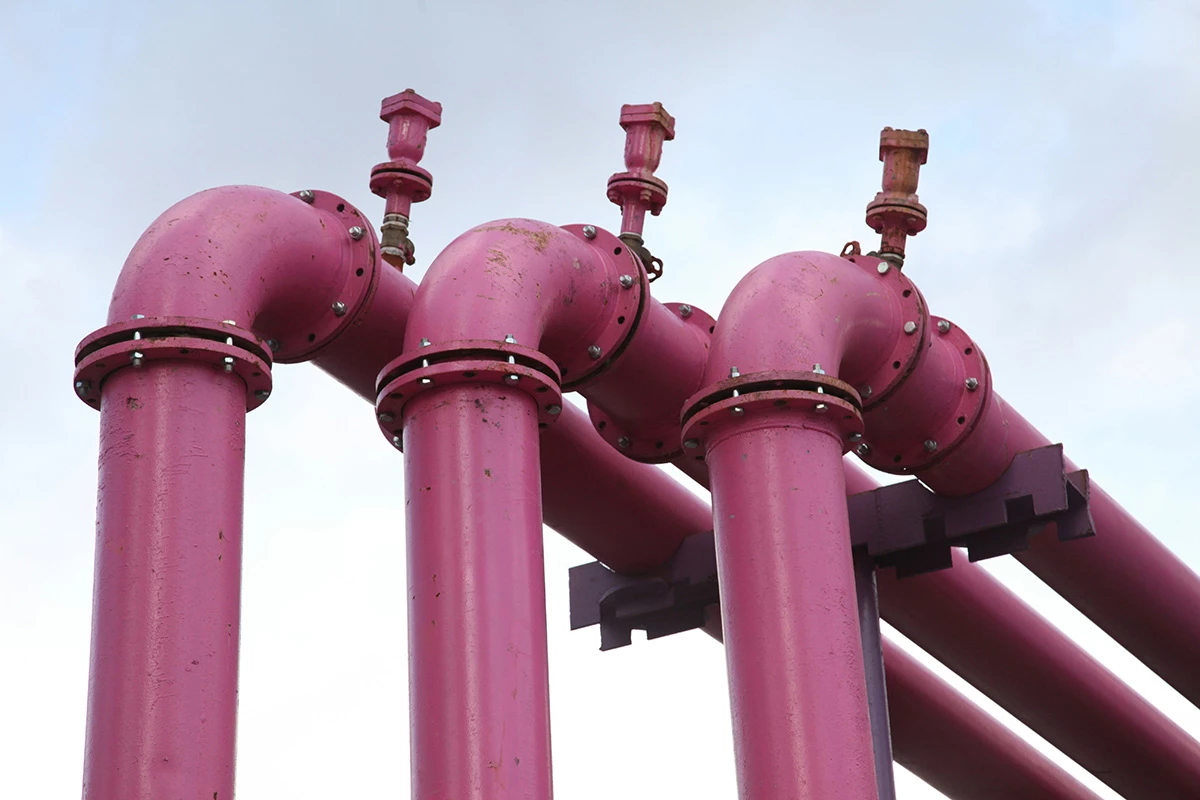
Among the standout projects is a novel energy storage solution developed by Milan-based Energy Dome. The company has created a “bubble battery” that can store up to 200 megawatt-hours of energy by compressing and decompressing carbon dioxide within an inflatable dome. This technology offers a modular and easily deployable energy storage option, which could be particularly advantageous for AI data centers. According to Senior Editor Samuel K. Moore, these bubble systems might prove superior to traditional batteries, with potential widespread implementation in computing infrastructures.
Innovative Approaches to Data Transmission and Cancer Treatment
Also featured is a competitive landscape between two startups working on radio-based cables designed to replace conventional copper and fiber optic connections in data centers. These radio systems can connect processors over distances of 10 to 20 meters while consuming only one-third of the power required by optical-fiber cables and costing one-third as much. The next phase involves integrating these radio connections directly with GPUs, helping data centers scale more efficiently.
In the realm of healthcare, HistoSonics has made strides in treating pancreatic cancer, a disease that claims nearly half a million lives annually worldwide. The company employs noninvasive focused ultrasound to generate cavitation bubbles that can destroy tumors without harming surrounding tissue. HistoSonics is concluding trials on kidney treatments while initiating new trials for pancreatic cancer.
Advancements in Drone Technology and Firefighting Solutions
The evolution of drone technology continues to be a focal point, with Zipline rising to prominence for its role in delivering medical supplies in remote areas. Having started operations in Rwanda, the company now boasts a market capitalization of approximately US $4 billion and has successfully completed almost 2 million drone deliveries across several countries, including Japan and the United States.
This year’s January issue also covers the Wildfire XPrize competition, which aims to revolutionize wildfire suppression. Journalist Robb Mandelbaum provides insights into how participating teams plan to implement faster detection and suppression methods compared to traditional firefighting techniques.
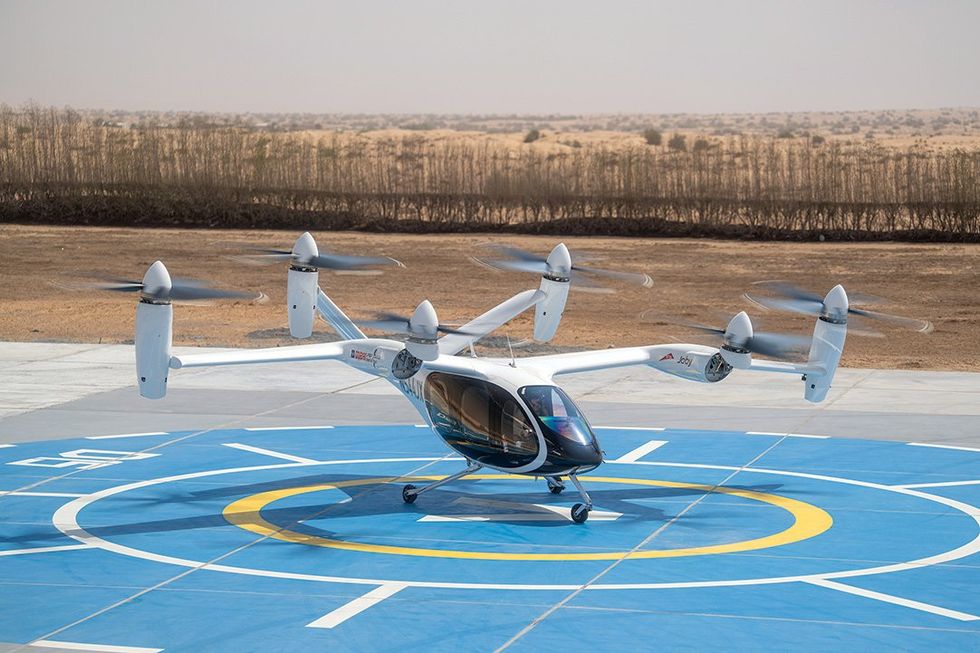
In addition to these key innovations, IEEE Spectrum’s latest issue features an array of other advancements, including Porsche’s wireless home charger for electric vehicles, the world’s first electric air taxi service, neutral-atom quantum computers, interoperable mesh networks, and robotic baseball umpires. As these technologies emerge, they hold the potential to make significant impacts across various sectors, and it remains to be seen which will rise to prominence in the coming years.