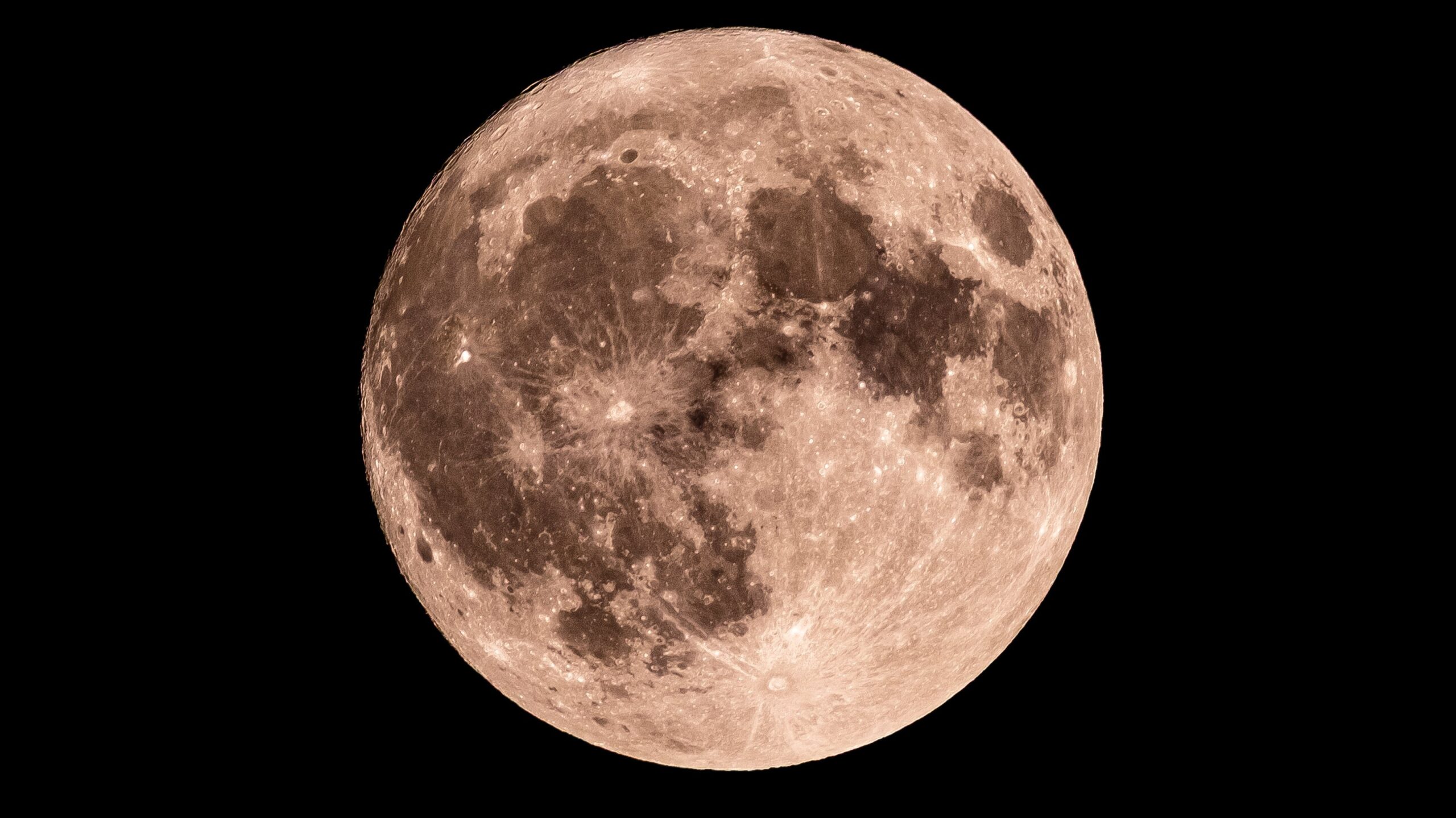
March 1 marks a significant day for stargazers as the Moon enters its Waxing Gibbous phase, appearing 94% illuminated. While it may seem nearly full, the complete Full Moon will not occur until March 3, 2024. Tonight, observers will have the opportunity to spot various prominent features on the lunar surface, making this an exciting time for amateur astronomers.
With the naked eye, viewers can see the well-known Mares Imbrium and Crisium, along with the striking Tycho Crater. Those equipped with binoculars can enhance their experience by looking for the Mares Nectaris and Frigoris, as well as the Endymion Crater. For telescope owners, the night sky promises even more, including the historic landing sites of the Apollo 15 and Apollo 17 missions, as well as the Schiller Crater.
Understanding Moon Phases
The Moon’s cycle consists of eight distinct phases, a process that takes approximately 29.5 days to complete. According to NASA, this cycle begins with the New Moon, when the Moon is positioned between the Earth and the Sun, rendering it invisible to observers on Earth. As the Moon continues its orbit, the following phases are observed:
– **Waxing Crescent**: A small crescent appears on the right side.
– **First Quarter**: Half of the Moon is illuminated on the right side.
– **Waxing Gibbous**: More than half of the Moon is lit, nearing full illumination.
– **Full Moon**: The entire face of the Moon is visible and bright.
– **Waning Gibbous**: The illuminated portion begins to decrease on the right side.
– **Third Quarter**: Half of the Moon is lit on the left side.
– **Waning Crescent**: A thin crescent remains on the left before the cycle restarts.
These changes in illumination occur as different portions of the Moon’s surface are lit by the Sun, leading to the varying appearances seen from Earth.
Upcoming Lunar Events
The next Full Moon is set for March 3, 2024, following the last Full Moon on February 1. Each phase of the Moon presents a unique opportunity for observation, and as the Waxing Gibbous phase progresses, enthusiasts can look forward to a spectacular sight. Whether using the naked eye, binoculars, or a telescope, tonight’s lunar display promises to captivate audiences globally.