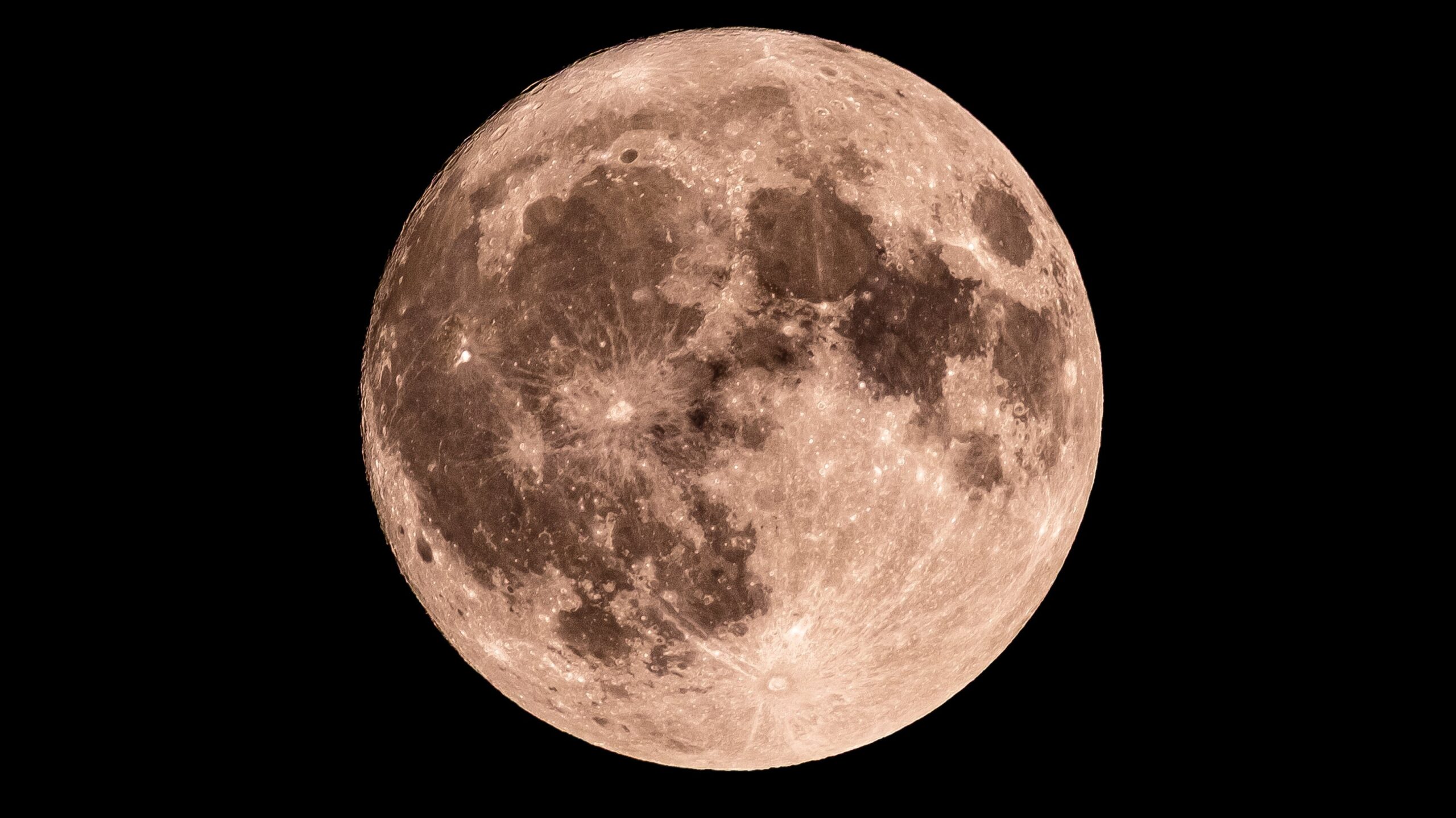
As of January 4, the night sky is graced by a Waning Gibbous moon, with approximately 98.6% of its surface illuminated. This phase follows the recent Full Moon and signifies the beginning of the lunar cycle’s waning period, during which the Moon gradually decreases in visibility until it reaches the New Moon phase.
Understanding the Lunar Cycle
The lunar cycle, which lasts about 29.5 days, consists of several distinct phases as the Moon orbits the Earth. According to NASA, while one side of the Moon consistently faces our planet, the illumination from the Sun changes, resulting in various appearances. These phases include:
- New Moon: The Moon is positioned between the Earth and the Sun, rendering it invisible from our viewpoint.
- Waxing Crescent: A small sliver of light emerges on the right side.
- First Quarter: Half of the Moon is illuminated, appearing as a semi-circle.
- Waxing Gibbous: More than half of the Moon is lit but not fully illuminated.
- Full Moon: The entire face of the Moon is visible and fully lit.
- Waning Gibbous: The Moon begins to lose light, starting from the right side.
- Third Quarter (or Last Quarter): Another half-moon, but now the left side is illuminated.
- Waning Crescent: A thin sliver of light remains on the left before the Moon goes dark again.
Upcoming Lunar Events
The next Full Moon is anticipated on February 1, promising another stunning display in the night sky. As the Moon continues its journey through the various phases, skywatchers are encouraged to observe the gradual changes, which can be a fascinating experience.
For those interested in astronomy, tools and resources like The Sky Live provide real-time updates on moon phases and visibility, enhancing the experience of observing our celestial neighbor.
Understanding the Moon’s phases not only enriches our appreciation of the night sky but also connects us to the natural rhythms of our planet. As we transition from the bright illumination of the Full Moon to the subtle glow of the Waning Gibbous, let the beauty of these celestial events inspire a sense of wonder.