NASA is set to return astronauts to the moon in 2026 with its upcoming Artemis 2 mission. This will mark the first time humans have ventured to the lunar vicinity since 1972, when Apollo 17 astronauts Eugene Cernan and Harrison Schmitt spent three days exploring the surface. The Artemis 2 mission aims to fly a crew aboard the Orion spacecraft on a ten-day journey that will circle the moon and bring them back to Earth.
Artemis 2 follows the successful uncrewed launch of Orion in November 2022 during the Artemis 1 mission. Initially slated for launch in 2023, Artemis 2 faced delays primarily due to damage to Orion’s heat shield during reentry tests. NASA now targets February 5, 2026, for the launch, with potential additional windows through April if needed.
Mission Details and Crew Preparations
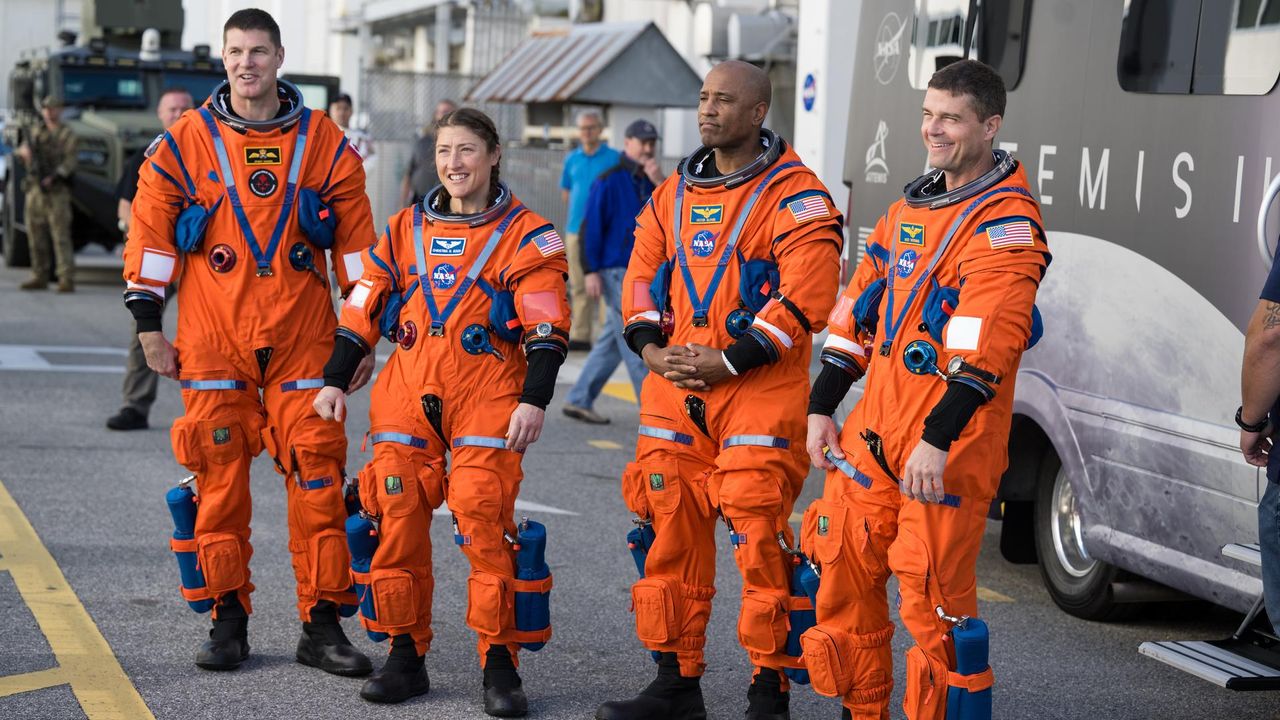
The Artemis 2 crew consists of NASA astronauts Reid Wiseman (commander), Victor Glover (pilot), Christina Koch, and Canadian Space Agency astronaut Jeremy Hansen. They have dedicated the past three years to rigorous training, focusing on every aspect of the mission. This crew will become the first to see the moon up close in over 50 years, reestablishing human presence beyond low Earth orbit.
Koch expressed excitement about the teamwork and momentum building within the Artemis program. “Every person that walks into every room is just ready to contribute the most that they can,” she stated in an interview. The mission will test Orion’s systems while conducting vital scientific experiments, including studying the effects of space travel on the human body.
The Artemis program aims to establish a permanent lunar outpost, which will serve as a stepping stone for future missions deeper into the solar system, including Mars. NASA has emphasized the importance of this mission in the context of international competition, particularly with China, which is also pursuing lunar exploration.
Challenges and Competition in Space Exploration
NASA faces significant challenges, particularly concerning the development of its Space Launch System (SLS) and the lunar lander. The SLS, which has cost nearly $50 billion over more than a decade of development, is crucial for launching the Orion spacecraft into cislunar space. Critics have raised concerns about SLS’s high launch costs, estimated at $4 billion per mission.
Compounding these challenges, SpaceX has been awarded NASA’s Human Landing Services (HLS) contract to develop a lunar lander based on its Starship vehicle. This decision has faced scrutiny, as some experts question whether SpaceX can meet the necessary timelines. Internal documents suggest that Starship may not be ready for Artemis 3, originally planned for 2027, until 2028.
The competitive landscape is intensifying. China is advancing rapidly with its lunar ambitions, making significant progress on the Long March 10 rocket and next-generation crewed spacecraft. Concerns have been voiced by U.S. lawmakers, including former NASA Administrator Jim Bridenstine, regarding the potential for the U.S. to lag behind China in lunar exploration.
Bridenstine warned during a Senate hearing, “Unless something changes, it is highly unlikely the United States will beat China’s projected timeline.” The race for lunar dominance is not only about exploration but also about securing vital resources, such as water ice at the lunar south pole, which could support human life and future missions.
As NASA prepares for the Artemis 2 mission, the stakes are high. The agency is also considering reopening the HLS contract to other bidders, including Blue Origin, which has expressed interest in offering its own lunar lander. The pressure is mounting to ensure that the U.S. retains a leading role in space exploration.
In conclusion, while Artemis 2 represents a significant milestone in the quest to return humans to the moon, it also highlights the complexities and challenges of modern space exploration. The mission is set to redefine humanity’s presence in space, marking a new chapter in lunar exploration that could have far-reaching implications for future generations.