NASA has introduced a groundbreaking initiative known as **STELLA** (Science and Technology Education for Land/Life Assessment), aimed at democratizing remote sensing technology. This innovative project allows individuals from various backgrounds to build and utilize low-cost sensor instruments for research and educational purposes. The details of this initiative are outlined in a newly published paper, available online.
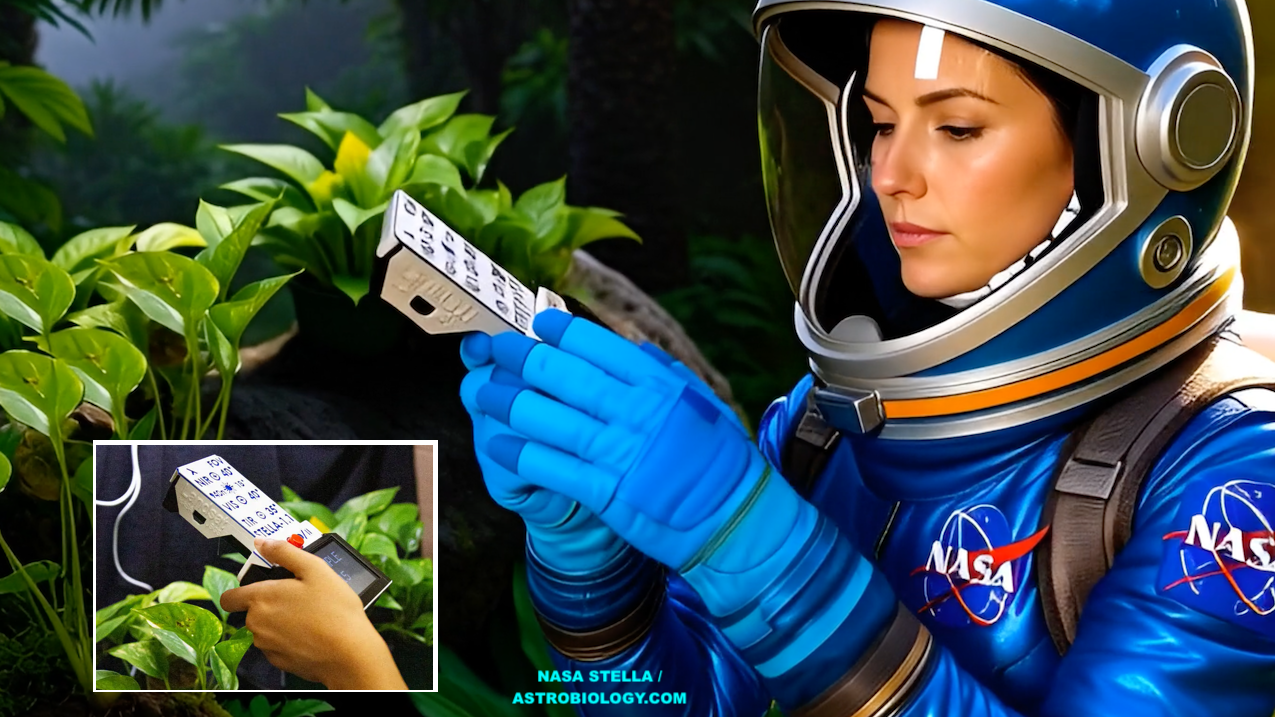
The STELLA instruments are designed to be accessible and user-friendly, allowing communities beyond traditional scientific circles to engage in remote sensing science. These devices utilize light spectrum measurements across 18 channels in the visible and near-infrared range, enabling detailed observation of natural environments and agricultural practices. As an example, the simplest version, the **STELLA-Q**, can be assembled for approximately **$200** in 2025 by connecting commercially available components.
Advancing Remote Sensing Education
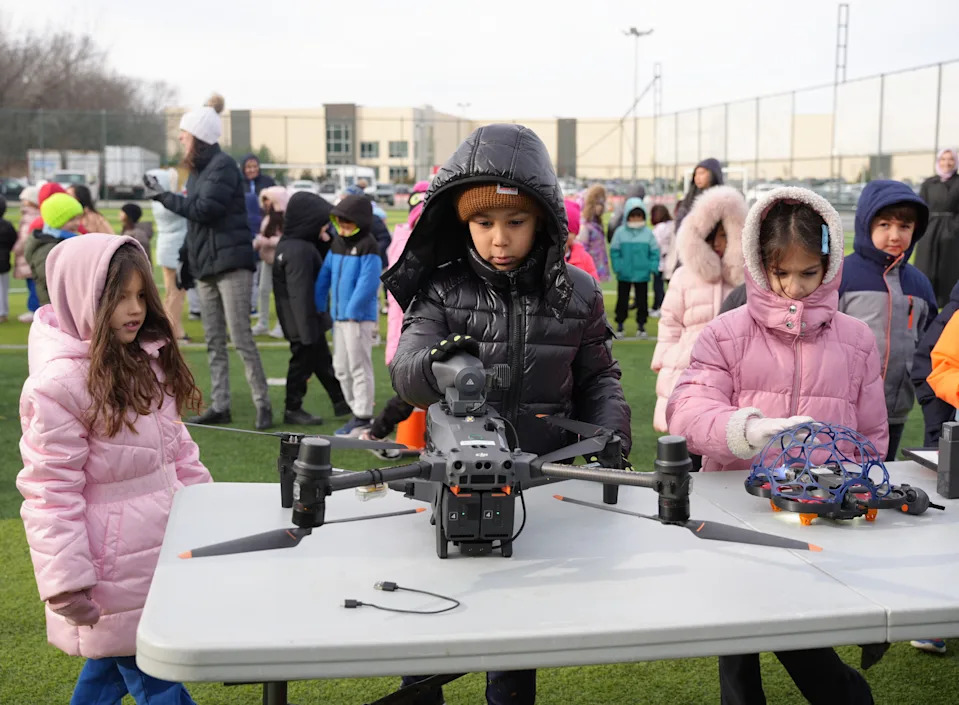
Located at the **NASA Goddard Space Flight Center** in Maryland, the STELLA program focuses on providing practical, hands-on learning experiences. By using affordable components, including **3D-printed housings**, students and educators can explore satellite data and gain insights into the scientific process. This initiative is particularly aimed at engaging the **Artemis Generation**, which refers to the new wave of researchers who will venture into space exploration.
The instruments not only foster educational opportunities but also enable new research possibilities that were previously limited by the high costs of traditional remote sensing equipment. The STELLA-1 model enhances the capabilities by allowing the addition of sensors to measure surface temperature and air parameters, requiring only basic soldering skills for assembly.
In a recent test at NASA’s facility, STELLA instruments were used to monitor the health of plants under varying water conditions. This real-time analysis exemplifies the potential for in situ examinations, which will be crucial as humanity expands its search for life beyond Earth.
Open-Source Collaboration and Future Impact
The development of STELLA instruments is grounded in open-source principles, making the technology widely accessible. The software is built using a freely available variant of the **Python programming language**, ensuring that users can easily understand and adapt it for their needs. Data collected by these instruments is stored in plain text on micro-SD cards, facilitating straightforward access and analysis.
As exploration efforts grow, the ability to conduct preliminary analysis on-site becomes increasingly important. Sample return missions pose significant logistical challenges, particularly when dealing with distant celestial bodies. With STELLA, scientists can relay data back to Earth at the speed of light, enhancing the efficiency of exploration and research.
Acknowledging the collaborative effort behind the STELLA project, NASA highlighted contributions from various researchers and institutions, including the **Morven Sustainability Lab** at the **University of Virginia**. Their support has been instrumental in advancing this initiative, which aims to inspire a new generation of scientists.
The STELLA program represents a significant step forward in making remote sensing technology accessible to everyone, paving the way for innovative educational experiences and expanding the scope of scientific research. As humanity prepares for future exploration of other worlds, tools like STELLA will be essential in understanding and cataloging new forms of life and ecosystems.
For more information on the STELLA initiative and to access the full paper, visit the NASA website.