The night sky will feature a New Moon on January 18, 2024, marking a significant moment in the lunar cycle. During this phase, the Moon is positioned between the Earth and the Sun, rendering it invisible to observers. According to NASA’s Daily Moon Guide, there will be 0% illumination tonight, making it impossible to spot the Moon.
As the lunar cycle progresses, the Moon will gradually become more visible. Each night, it will appear brighter, leading up to the next Full Moon, which is anticipated on February 1, 2024. The previous Full Moon occurred on January 3, allowing for a complete cycle of lunar phases in a relatively short time.
Understanding Moon Phases
The concept of Moon phases is central to understanding the lunar cycle, which lasts approximately 29.5 days. This duration represents the time it takes for the Moon to complete one full orbit around Earth. Throughout this cycle, the Moon passes through eight distinct phases, each characterized by varying degrees of sunlight that illuminate its surface.
Despite always presenting the same face to Earth, the Moon’s appearance changes dramatically based on its position in orbit. The phases include:
– **New Moon**: The Moon is hidden between Earth and the Sun, rendering it invisible.
– **Waxing Crescent**: A small sliver of light begins to appear on the right side.
– **First Quarter**: Half of the Moon is illuminated on the right, resembling a half-Moon.
– **Waxing Gibbous**: More than half of the Moon is lit but not fully illuminated.
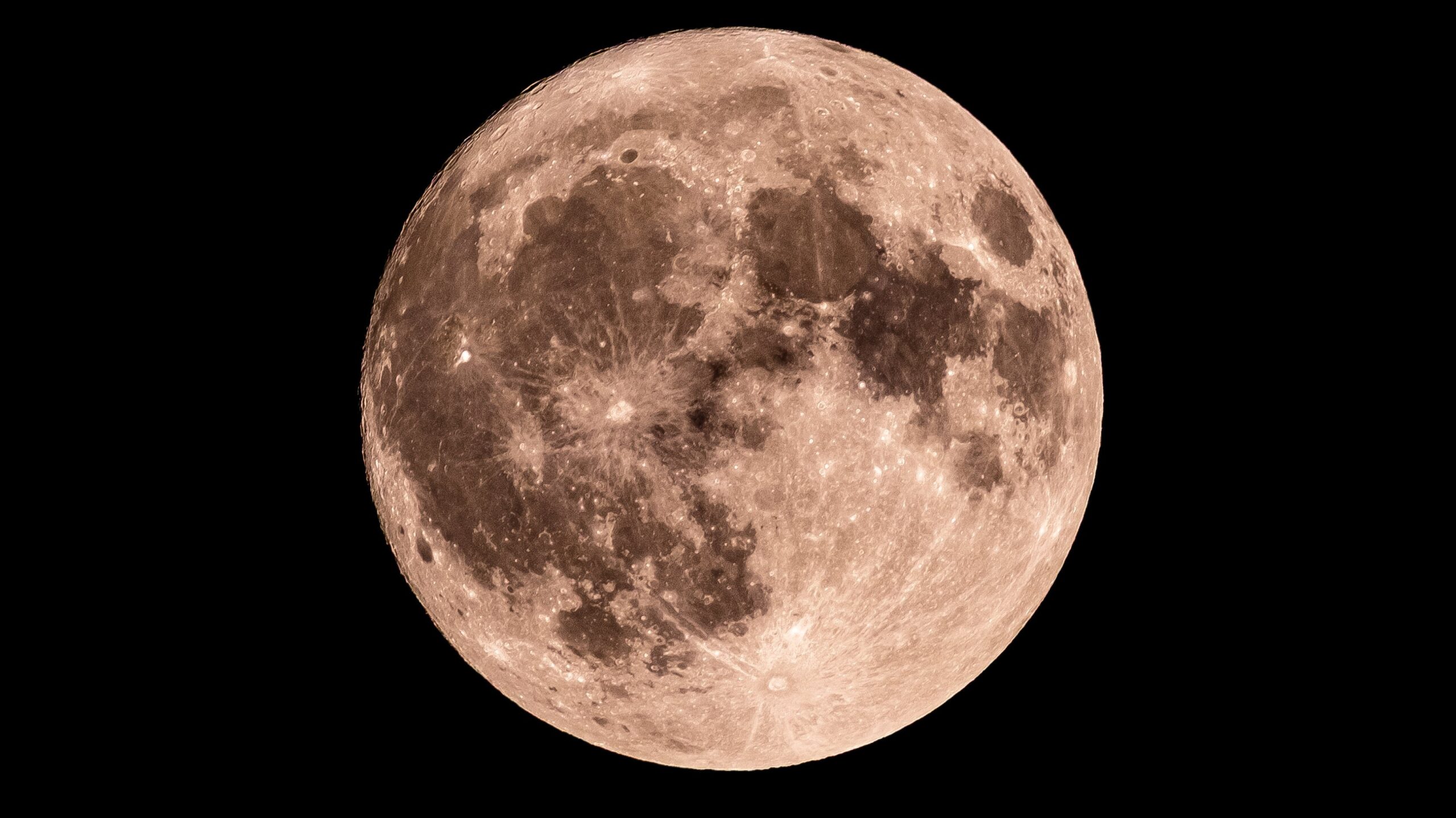
– **Full Moon**: The entire face of the Moon is visible and fully illuminated.
– **Waning Gibbous**: The Moon starts to lose light on the right side.
– **Third Quarter (or Last Quarter)**: Another half-Moon appears, but the left side is now illuminated.
– **Waning Crescent**: A thin sliver of light remains on the left side before the cycle begins again with the New Moon.
As each phase unfolds, the changing illumination provides a dynamic view of the Moon, captivating stargazers and casual observers alike.
While January 18 will see a darkened sky, the anticipation builds for the nights ahead. Stargazers can look forward to witnessing the Moon’s gradual transition from a New Moon to a Full Moon, enriching their experiences in the cosmos.