The Newberry Library in Chicago has secured a grant of $4 million from the Mellon Foundation, aimed at enhancing access to Indigenous languages that are at risk of fading into obscurity. This funding will enable the library to digitize a significant portion of its extensive Indigenous Studies collection, which encompasses approximately 2,400 items related to over 300 Indigenous languages. Currently, only a fraction of these materials is available online, creating barriers for both tribal nations and researchers.
Enhancing Digitization Efforts
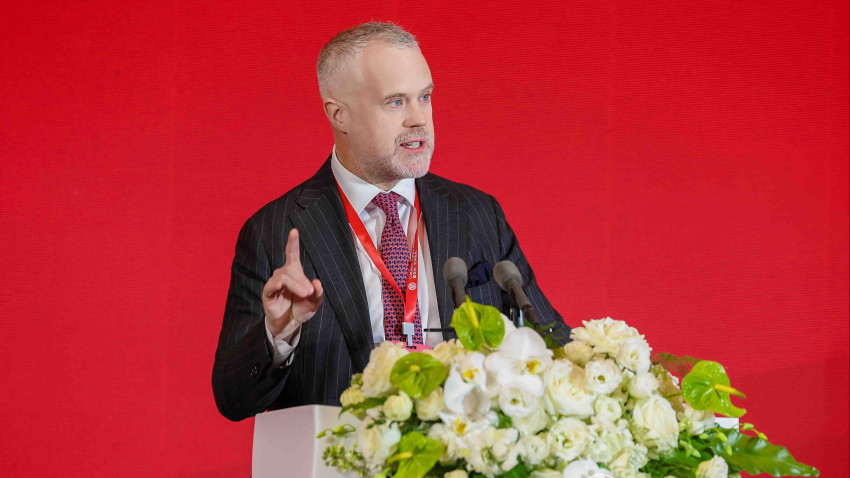
The grant will specifically focus on making language-related items accessible through the Newberry’s website. Rose Miron, the library’s vice president for research and education, emphasized the importance of this initiative, stating, “Those are often of major interest to tribal nations who are working on language revitalization activities.” The full digitization of the Indigenous languages collection is a critical step towards supporting these efforts, particularly for tribes that lack fluent speakers.
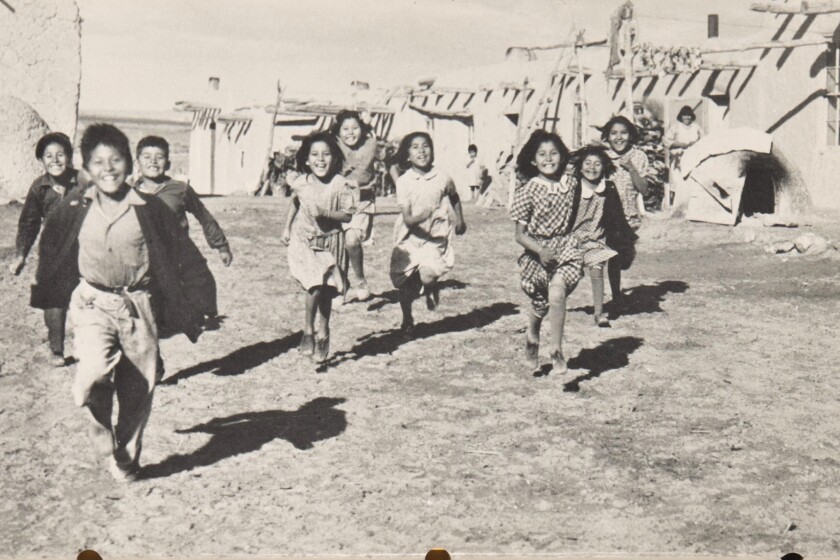
The urgency of preserving Indigenous languages has been underscored by historical attempts at forced assimilation, particularly through the establishment of Native American boarding schools in the 19th and 20th centuries. “One of the biggest losses of those schools was the damage that was done to Indigenous languages because children were literally being punished for speaking their own languages and being forced to speak English instead,” Miron noted.
As tribal nations work to revive their languages, the documents held at the Newberry are invaluable. They provide insights into how these languages were spoken, enabling linguists to reconstruct and teach them once again. The collection includes a diverse range of materials, such as religious texts translated by missionaries and boarding school documents in Dakota.
Community Engagement and Repatriation Efforts
The new funding will also facilitate the hiring of three additional staff members, including a dedicated librarian for the Indigenous collection. Moreover, tribal nations will have the opportunity to request digitization of other parts of the collection. The funds will support fellowships for individuals working with tribal nations, cover travel expenses for tribal members to visit the library, and enable librarians to engage with tribal communities.
Miron highlighted that more than half of the grant will be directed towards tribal nations, reinforcing the library’s commitment to honoring their representation. “We fundamentally believe that tribal nations are the best representatives of their own history,” she stated. The library is also prepared to discuss the repatriation of items from its collection, recognizing the importance of returning materials to their rightful communities.
The Indigenous collection at the Newberry was established in 1911 through a donation from Edward E. Ayer, a businessman known for his extensive collection of Indigenous-related materials. Over the years, the library has shifted its focus to prioritize materials created by Native communities themselves, rather than solely those produced about them.
This latest round of funding from the Mellon Foundation builds on a previous planning grant awarded in 2020, which led to the launch of the “Indigenous Chicago” project. This initiative aims to provide resources on Chicago’s Indigenous communities, featuring interactive online maps that present the city’s history from Native perspectives.
Recent local efforts to uplift Indigenous culture include a collaboration between the American Indian Center of Chicago and the Forest Preserve of Kane County, which introduced a bison herd to the area’s tallgrass prairie for the first time in 200 years. The center will oversee the herd, contributing to the revitalization of Indigenous heritage.
Miron reflects on the historical impact of institutions like the Newberry Library, acknowledging the pain caused to Indigenous communities. “As an institution that has benefited from colonialism, I really see it as our job to try to undo some of that harm and to really return control to tribal nations,” she remarked. The grant work is set to commence immediately and will continue through December 2030, marking a significant investment in the preservation of Indigenous languages and cultures.