NotebookLM has emerged as a leading tool for research efficiency, particularly when users provide well-organized documents, weblinks, or notes. The software excels at reformatting and summarizing content, making complex information more digestible through features such as mind maps and concise summaries. However, its performance declines significantly when faced with disorganized sources or incomplete drafts from various projects.
Strengths of NotebookLM
The strength of NotebookLM lies in its ability to synthesize and present information clearly. When users input a structured set of documents, the platform effectively highlights key points and organizes them in a user-friendly manner. This functionality is particularly valuable for researchers and students who rely on clear presentations of data to support their work.
For example, when provided with a cohesive set of materials, NotebookLM can summarize lengthy reports into succinct overviews, allowing users to grasp the essential details without wading through pages of text. The addition of mind maps further enhances the understanding of relationships between different pieces of information, creating a visual representation that aids retention.
Challenges with Disorganized Content
Despite its capabilities, NotebookLM struggles when tasked with unorganized or incomplete information. Users have noted that the software can become less responsive and less effective when faced with chaotic data. Half-finished drafts, scattered notes, or poorly structured content can lead to frustrating experiences, as the tool may not generate the expected insights.
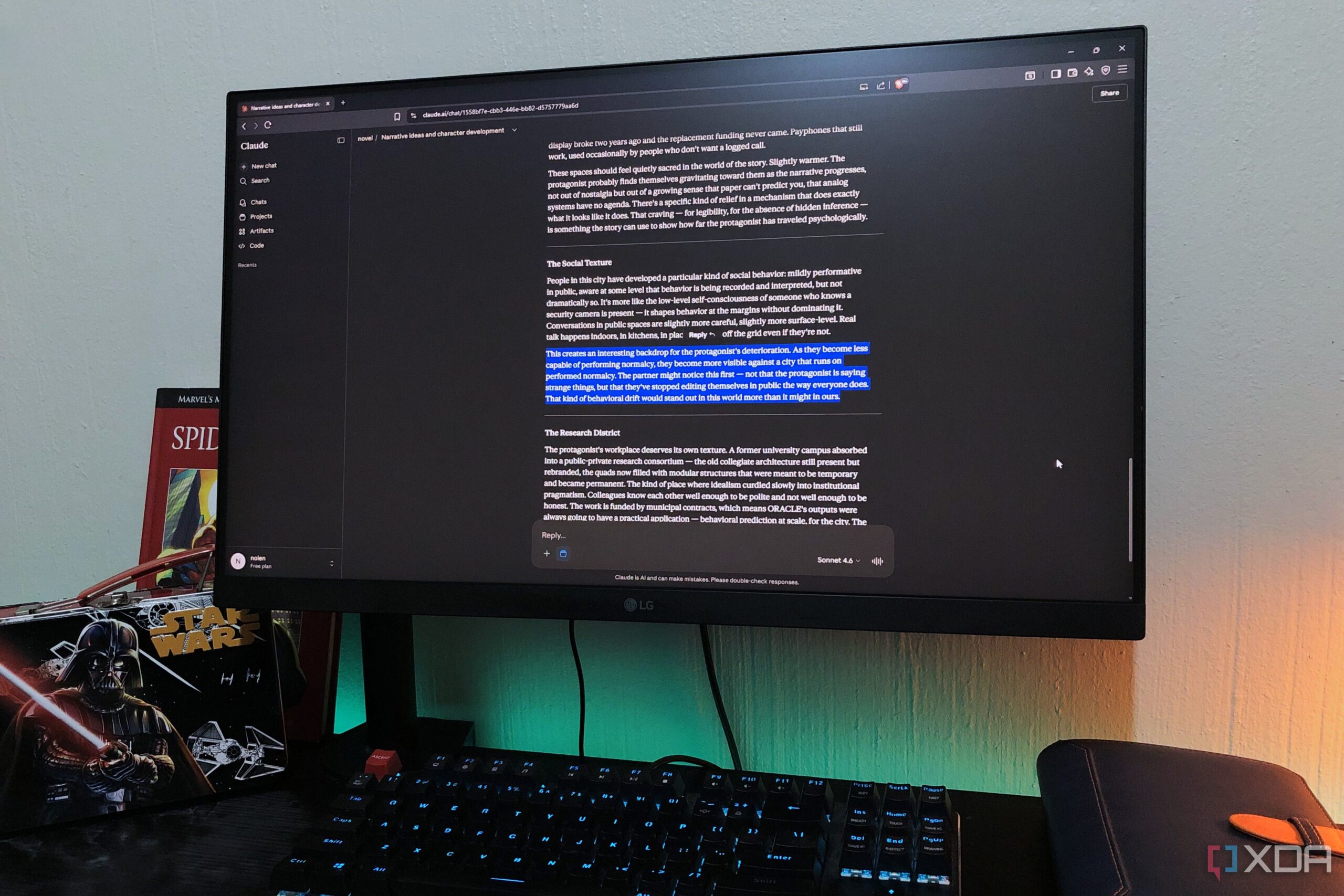
In contrast, another tool, Claude, has shown superior performance in managing messy notes. Claude appears to handle unstructured data better, providing users with more coherent outputs even when the input is less than ideal. This capability can be crucial for individuals who often work with rough drafts or a variety of incomplete sources.
In summary, while NotebookLM is undoubtedly a powerful research tool when employed with organized materials, its limitations in dealing with chaotic inputs highlight the importance of structured data in achieving optimal results. As users continue to explore various tools for research, understanding the strengths and weaknesses of platforms like NotebookLM and Claude will be essential for maximizing productivity.