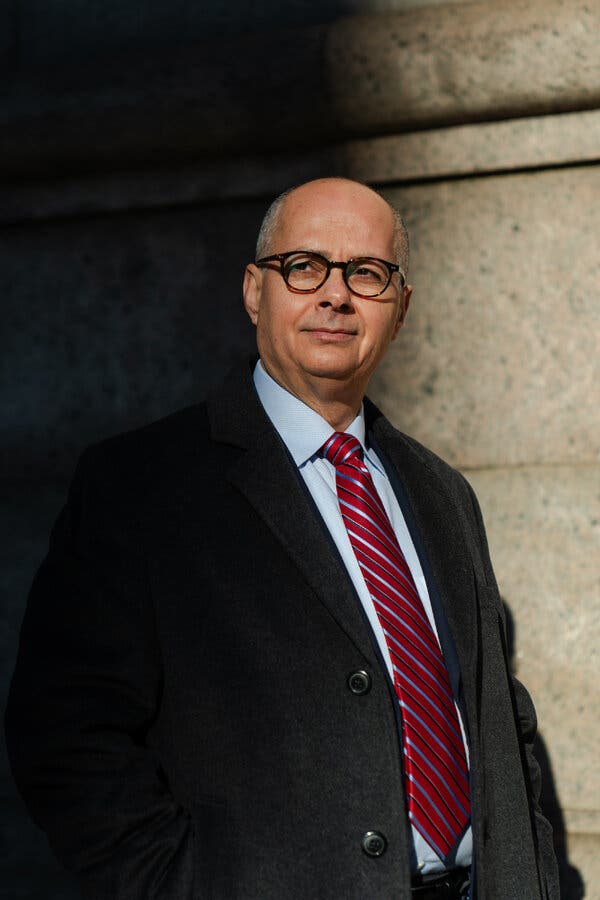
Omar Yaghi, a noted chemist and professor at the University of California, Berkeley, is set to receive the Nobel Prize in Chemistry at a ceremony in Stockholm on October 4, 2023. His journey from a one-room home in Jordan, where he grew up as a Palestinian refugee, to a prestigious academic accolade illustrates the significant contributions of immigrants to science in the United States.
Dr. Yaghi’s early education was influenced by a schoolbook that captivated his interest in atomic building blocks. At the age of 15, he moved to the United States to pursue further studies, thanks to his father’s sacrifices as a butcher. His story highlights a broader trend: among the six American Nobel laureates in science this year, three were born outside the United States. This reflects a continuing pattern, with approximately 40 percent of U.S. Nobel winners in physics, chemistry, and medicine this century being immigrants.
Impact of Immigration Policies on Scientific Achievement
The significance of this trend extends beyond individual achievements. Economists argue that the United States’ long-standing tradition of attracting international talent has played a crucial role in fostering innovation and economic growth. This influx has contributed to the development of numerous trillion-dollar companies in Silicon Valley and has helped establish the United States as one of the world’s most dynamic economies.
Despite this success, experts have raised alarms about the potential consequences of the Trump administration’s immigration policies. By prioritizing an “America First” approach, critics argue that the current administration risks jeopardizing the very foundation of scientific excellence that has propelled the nation forward. The ongoing reduction in legal immigration, coupled with restrictions on foreign students and researchers, threatens to diminish the pipeline of talent that has historically benefited U.S. innovation.
Dr. Yaghi has expressed his concerns regarding these policies. In an interview prior to traveling to Stockholm, he stated that the current political climate poses risks to the U.S. scientific ecosystem. He emphasized the importance of maintaining an open environment that nurtures talent from around the world, crucial for sustained scientific progress.
The Future of Scientific Innovation in the U.S.
As Dr. Yaghi prepares to accept one of the highest honors in science, his achievements serve as a reminder of the vital role played by immigrants in the United States’ scientific landscape. The ongoing debates surrounding immigration policy could have lasting implications for future generations of researchers and innovators.
In conclusion, as the ceremony unfolds in Stockholm, it will not only celebrate individual excellence but also spotlight the broader challenges facing the scientific community in the United States. The potential impact of restrictive immigration policies on innovation and discovery remains a pressing concern, calling for a renewed commitment to fostering a diverse and inclusive scientific environment.