At the Richard F. Taitano Micronesian Area Research Center (MARC) located at the University of Guam, research initiatives are actively bridging the gap between historical insights and future prospects. MARC not only preserves the rich cultural heritage of Micronesia but also utilizes this knowledge to inform contemporary issues ranging from archaeology to international diplomacy.
Exploring Archaeological Depths
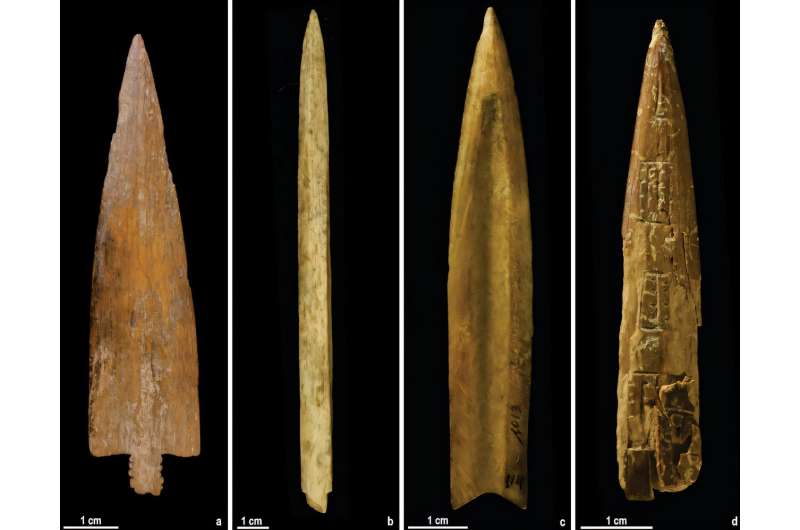
One of the prominent figures at MARC is Michael Carson, an associate professor of archaeology who brings extensive experience from the Asia-Pacific region. His work encompasses both ancient and historical periods, contributing to significant publications such as *Archaeology of Pacific Oceania: Inhabiting a Sea of Islands* and the collaborative volume *Lina’la’: Portraits of Life at Litekyan*. Currently, Carson is partnering with the U.S. National Park Service to investigate archaeological resources within Guam’s federal park lands. Utilizing ground-penetrating radar, he aims to survey potentially sensitive areas while ensuring the safety of historical sites, particularly avoiding World War II munitions. This work aligns with his ongoing research at Ritidian, part of the Guam National Wildlife Refuge, where he seeks to expand public education based on previous archaeological studies.
Geopolitical Insights and Future Diplomacy
In the realm of geopolitics, Kenneth Gofigan Kuper, an associate professor of political science, leads MARC’s initiatives in international relations. A recognized Pacific Academy of Sciences Fellow and Asia-Pacific Obama Leader, Kuper focuses on pressing issues such as security, political status, and regional diplomacy. His notable project, the “Micronesian Diplomatic History Project,” aims to document the experiences of Micronesian leaders through interviews and archival research, offering valuable lessons for future diplomatic endeavors.
Kuper is also developing a training program under MARC to enhance regional skills in negotiation and foreign affairs. Additionally, he is conducting an oral history project with former governors of Guam to capture their approaches to self-determination and economic development. This documentation serves as a resource for ongoing discussions about Guam’s political landscape. In 2025, he successfully positioned MARC as the official archiving partner of the Micronesian Islands Forum, where he oversees the creation of a centralized digital timeline and oral history project aimed at supporting regional policymaking.
Preserving Traditional Knowledge
The center is also dedicated to honoring traditional seafaring knowledge through innovative projects led by Melissa Taitano and H. Larry Raigetal, both esteemed professors at UOG. They are co-authoring a digital publication on Micronesian navigation and seafaring as part of UOG’s Island Wisdom initiative. Raigetal teaches traditional navigation and sailing canoe construction in the Micronesian Studies Program, while Taitano focuses on documenting the cultural knowledge systems that guide island communities.
Their project, funded by a Mellon Foundation grant, is pioneering a digital-first publishing approach that prioritizes indigenous knowledge and enhances regional publishing capabilities. This initiative not only preserves cultural heritage but also promotes local voices in the global discourse.
Publishing Pacific Perspectives
As a member of the Association of University Presses and a collaborator with New York University Press, UOG Press has emerged as a key platform for Micronesian authors, artists, and scholars. The press is dedicated to expanding its collection of literary and academic works, showcasing the stories and insights of regional figures. Focusing on the cultural, environmental, and historical contexts of the region, UOG Press aims to bring place-based learning and local voices into classrooms and libraries throughout Micronesia.
By acting as an incubator for writers and artists, UOG Press provides opportunities for local creatives to achieve their dreams of becoming published authors, fostering a vibrant literary scene within the region.
Through its diverse research initiatives, publications, and preservation efforts, the Micronesian Area Research Center is not only safeguarding Guam’s rich history but also paving the way for future development. By protecting cultural knowledge, shaping policy, and empowering community voices, MARC exemplifies the public value of research at UOG, contributing to a more resilient and informed Micronesia.
Programs under MARC receive support from the University of Guam’s Office of Research and Sponsored Programs, which facilitates over $60 million in annual grants to strengthen the region’s health, environment, and cultural resilience. For more information about research initiatives at the University of Guam, visit www.uog.edu/research.