The landscape of industrial automation is undergoing a significant transformation as companies increasingly adopt 3D guidance systems in robotics. This shift marks a departure from the traditional reliance on pre-programmed movements, enabling more flexible and intelligent operations. The integration of advanced vision systems has been pivotal in this evolution, enhancing automation processes across various sectors.
Over the past decade, the manufacturing industry has seen a dramatic increase in the adoption of 3D vision technologies. Initially, 2D vision systems dominated the market, providing basic guidance for robotic applications. However, as technology advanced, the limitations of these systems became apparent. They often struggled to adapt to dynamic environments and complex tasks, which are increasingly common in modern manufacturing settings.
With the introduction of 3D guidance, robots can now perceive their surroundings with greater depth and accuracy. This technology allows for improved spatial awareness, enabling robots to navigate and manipulate objects with precision. According to recent studies, companies utilizing 3D guidance have reported a reduction in error rates by up to 30%, significantly enhancing productivity and operational efficiency.
Enhanced Capabilities and Applications
The benefits of 3D guidance extend beyond mere accuracy. Robots equipped with these systems can perform a wider array of tasks, from assembly and inspection to material handling. This versatility is crucial as industries face increasing pressure to meet diverse customer demands and adapt to rapid market changes.
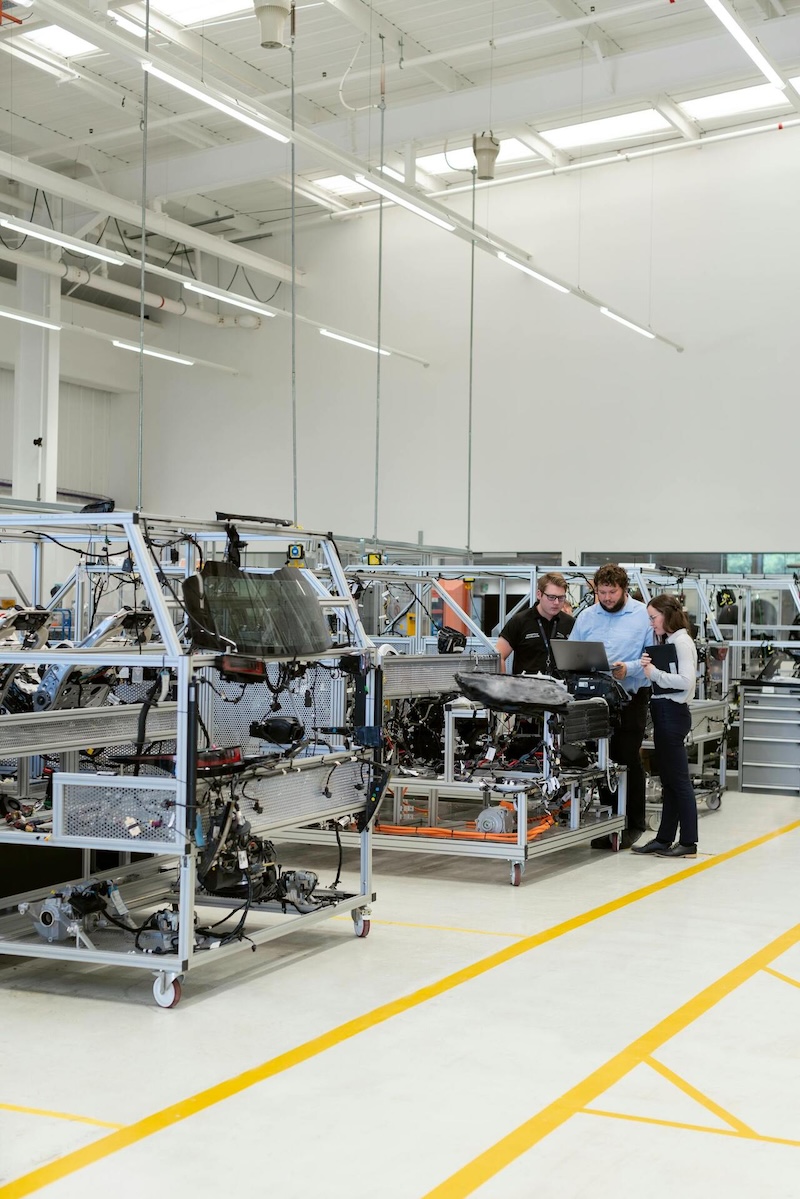
For instance, automotive manufacturers have embraced 3D vision to streamline assembly lines. Robots can now identify and position components with minimal human intervention, reducing assembly time and costs. Similarly, in the electronics sector, 3D vision enables robots to handle delicate components without damaging them, which is essential for maintaining product quality.
Another notable advancement is the ability of 3D-guided robots to operate alongside human workers safely. With sophisticated sensors and imaging technology, these robots can detect and respond to human presence, ensuring a collaborative work environment. This capability is transforming workplaces into more integrated spaces, where humans and machines work together seamlessly.
Looking Ahead: The Future of Industrial Robotics
As industries continue to explore the potential of 3D guidance, the future of industrial robotics appears promising. Companies are investing heavily in research and development to refine these technologies further. The global market for 3D vision systems is projected to grow significantly, with estimates suggesting it could reach $3 billion by 2025.
The shift to 3D guidance is not just a trend; it represents a fundamental change in how industries approach automation. By embracing this technology, companies can not only enhance their operational efficiency but also position themselves for long-term success in an increasingly competitive landscape. As advancements continue, the full potential of 3D guidance in industrial robots will likely redefine the future of manufacturing and beyond.